AI Fashion Photography UK: Cost, Speed & Rights Guide
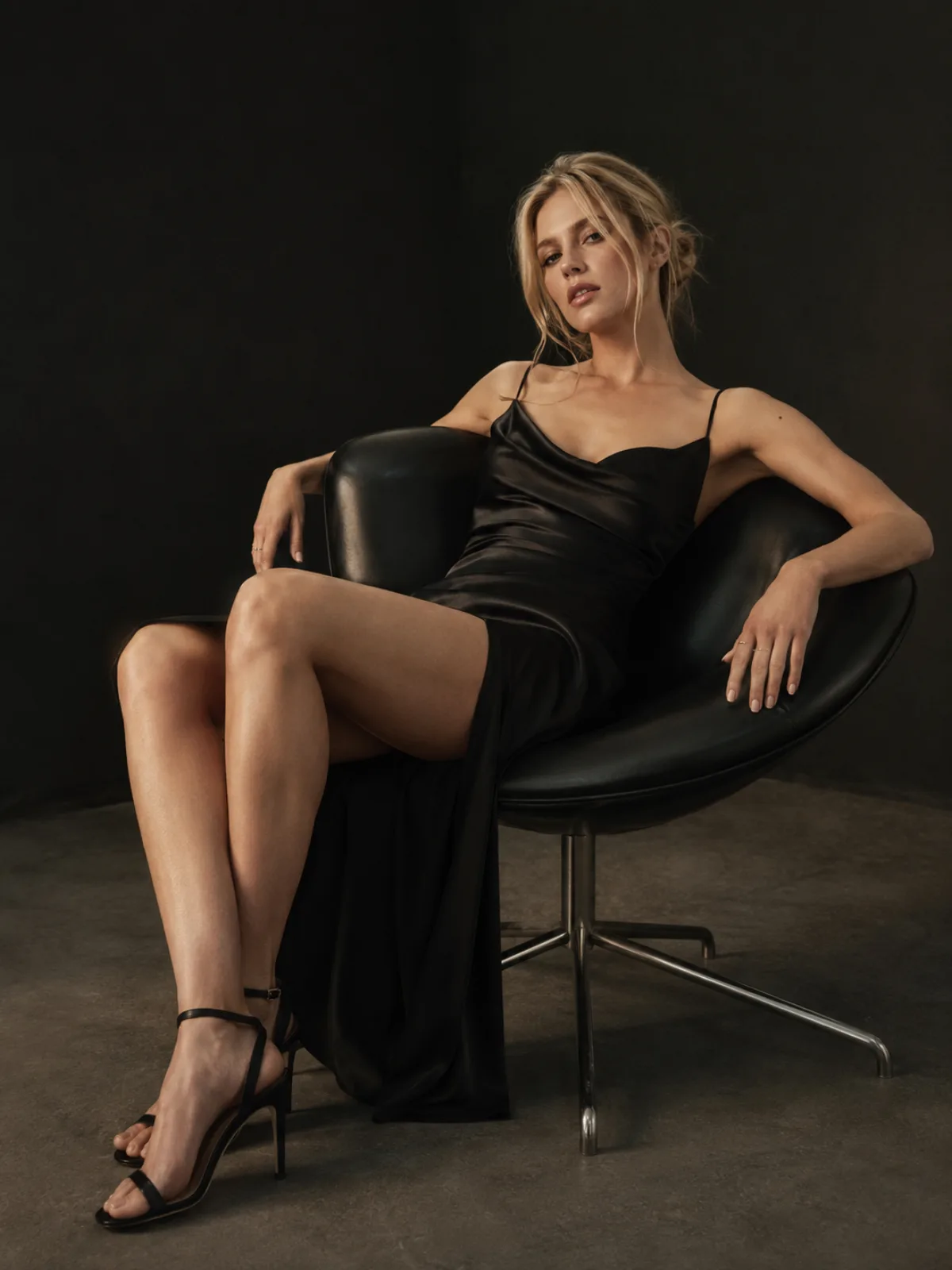
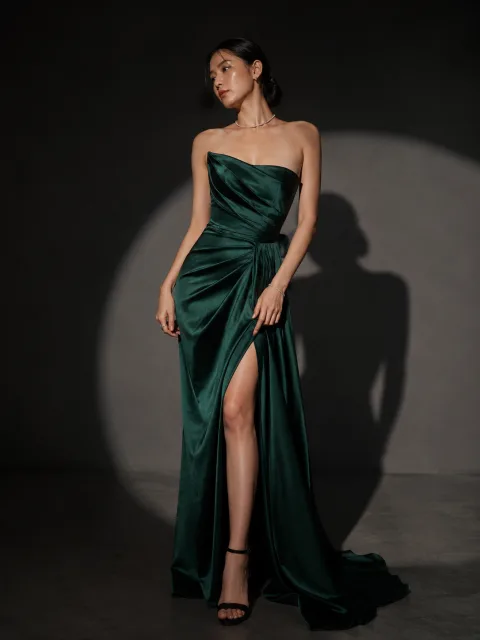
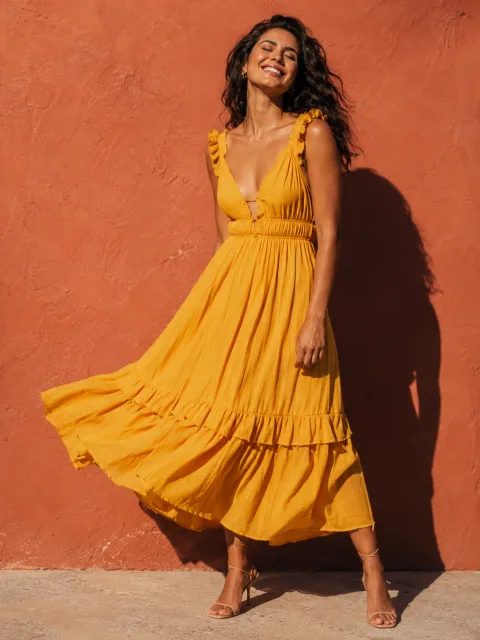
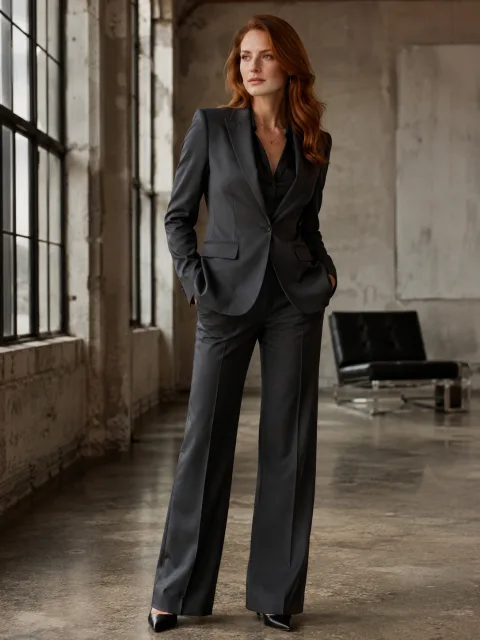
AI fashion photography for UK brands means generating campaign-ready imagery from a garment brief without booking a studio, model or crew — typically returning a first cut within 48 hours at a fraction of a London day rate, with full usage rights transferred on delivery.
Why UK brands are moving to AI photography
British fashion and homeware brands operate against some of the highest studio costs in the world. A single day booked in a London studio — model, photographer, stylist, hair and make-up, retouching — routinely runs into five figures in GBP before a single ad is placed. For a brand shooting six or eight collections a year across multiple categories, that cost compounds fast, and it rarely scales down cleanly for a small capsule drop or a single hero SKU that needs fresh imagery on short notice.
AI fashion photography breaks that cost structure. A garment goes in as a flat-lay or ghost-mannequin reference, a brief sets out the mood and setting, and a finished, on-model image comes back without a studio being booked at all. For UK DTC labels and high-street retailers running frequent product drops, that shift changes how often new imagery gets made, not just how much it costs.
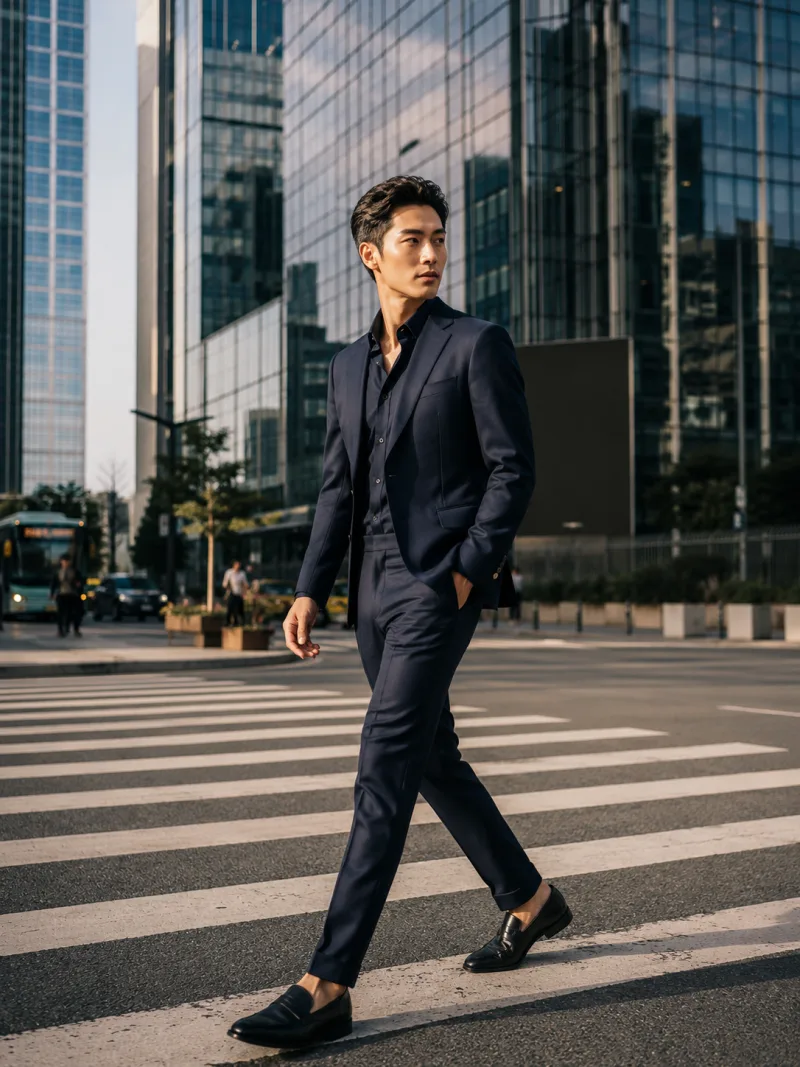
The economics: AI photography vs a London studio day
The comparison below uses general, hedged ranges rather than a single quoted price, because studio costs vary by city, season and crew size. The pattern holds regardless of the exact figures: AI photography removes the largest fixed costs in a traditional shoot — the day rate, the location, and the reshoot penalty — and replaces them with a project fee that scales with output rather than with crew size.
| London Studio Day | AI Fashion Photography | |
|---|---|---|
| Model, photographer, stylist | Often the single largest line item | Included in project fee |
| Studio or location hire | Additional cost, booked in advance | $0 — any setting generated |
| Retouching | Billed separately, per image | Included |
| Revision or reshoot | Full day rate again | Usually included, no extra fee |
| Lead time | Weeks, from booking to delivery | First cut in around 48 hours |
The gap is smallest for a single hero image and widest for brands running many colourways, several model looks, or repeat seasonal drops — the exact pattern most UK contemporary and high-street brands now operate under.
A remote workflow that fits a UK working week
Because there is no physical shoot day to schedule, a UK creative or marketing lead can send a brief in the morning and see a first cut before the next working day is over — no waiting for a studio slot, a model's availability or good weather. A typical cycle looks like this:
- Day 1, morning: brief submitted with garment references, mood direction and model or setting requirements
- Day 1–2: first cut delivered, usually within 48 hours
- Day 2–3: revision notes from the UK team, incorporated same-cycle
- Day 3: final files delivered, ready for site, paid social and catalog use
This matters more than it sounds for teams working across time zones with an offshore production partner — the process runs asynchronously, so a UK brand manager isn't waiting on a live shoot window to open up before work can start.
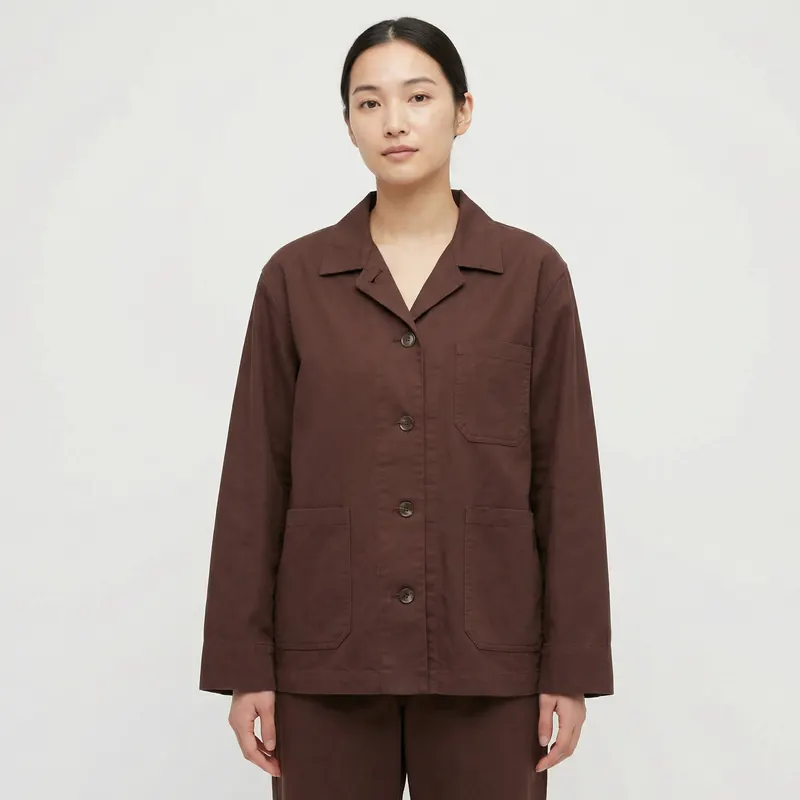
What this looks like for a high-street or DTC catalog
Catalog and ecommerce imagery is where the volume argument is clearest. A UK retailer refreshing a full seasonal range needs the same model, lighting and framing repeated consistently across dozens or hundreds of SKUs — the kind of work that is expensive to do consistently with a live model and crew, because every additional look adds studio time. With a locked model reference, that consistency holds across a full catalog without booking additional shoot days for each new item.
The same principle applies to a DTC brand running frequent capsule drops. Instead of saving up garments for a quarterly studio day, a brand can shoot as often as new stock justifies it, because the marginal cost of an additional look is far lower than booking another crew day.
Rights and usage for UK and EU campaigns
Two questions come up in almost every first call with a UK brand: who owns the image, and where can it run. A properly structured engagement transfers full commercial usage rights to the brand on delivery — no ongoing licence fee, no cap on which markets or platforms the image runs across, and no requirement to credit the imagery as AI-generated unless a specific platform's policy requires it.
That last point matters for UK and EU campaigns specifically. Disclosure requirements for AI-generated advertising imagery are still being defined platform by platform and are not identical across UK, EU and wider international markets. The practical approach is to check the current policy of whichever platform a campaign runs on — Google, Meta and others have each published their own evolving position — rather than assume a single blanket rule covers every market. A brand's legal or compliance team should confirm this per campaign, but it should never be a reason usage rights themselves are unclear; that part should be settled in the engagement contract before any imagery is produced.
Where AI photography fits alongside a UK brand's existing photography
Most UK brands adopting AI fashion photography are not replacing every shoot outright. A flagship hero campaign built around a specific creative concept may still call for a traditional set. But the bulk of ongoing catalog, paid social and lifestyle imagery — the volume work that keeps a site and ad account fresh week to week — is where AI photography now does the heavy lifting, freeing traditional shoot budget for the handful of campaigns that specifically need it.
Choosing between a self-serve generation tool and a done-for-you agency comes down to how much creative direction and review capacity a brand has in-house. Teams without a dedicated imagery lead tend to get more consistent, on-brand results working with an agency that handles the reference matching, prompt direction and quality control end to end, rather than iterating on prompts themselves. For a full walkthrough of how the underlying AI fashion photography process works end to end, see our AI photoshoot overview, or browse the broader case for AI photography as a production method. For a deeper cost breakdown across shoot types, read our guide on AI fashion photoshoot cost.
What a strong brief looks like for a UK brand
The quality of the output tracks the quality of the brief far more closely than most first-time buyers expect. A UK contemporary or high-street brand getting the best results from an AI photoshoot typically sends four things upfront: a clean flat-lay or ghost-mannequin shot of each garment, two or three reference images that capture the desired mood and lighting rather than a written description alone, clear direction on model casting where it matters to the brief, and a defined list of where the imagery will run — site, paid social, catalog, wholesale line sheets — since usage context can shape framing and crop choices.
Brands that skip the reference images and rely on adjectives alone — "editorial", "clean", "elevated" — tend to need more revision rounds, simply because those words mean different things to different creative teams. A pinned reference image removes that ambiguity in a single step.
Common questions UK brand teams ask before their first project
Does this work for a small capsule drop, or only full collections?
It works for both, and the economics favour small drops more than a traditional shoot ever could. A capsule of three or four pieces that would struggle to justify a full studio day rate can still get a properly art-directed shoot, because there is no minimum crew cost to absorb.
How many revision rounds are included?
This should be agreed in writing before the project starts, and a properly structured engagement includes at least one full revision round without an additional fee — unlike a traditional reshoot, which typically means booking the day rate again.
Can the same model look be reused across future drops?
Yes, and this is one of the more valuable long-term advantages for a UK brand building a recognisable house look. A locked model reference can carry across seasons, so a brand's imagery reads as consistent over a full year of drops rather than resetting with every new shoot.