AI Photoshoot for Global Campaigns: One Shoot, Many Markets
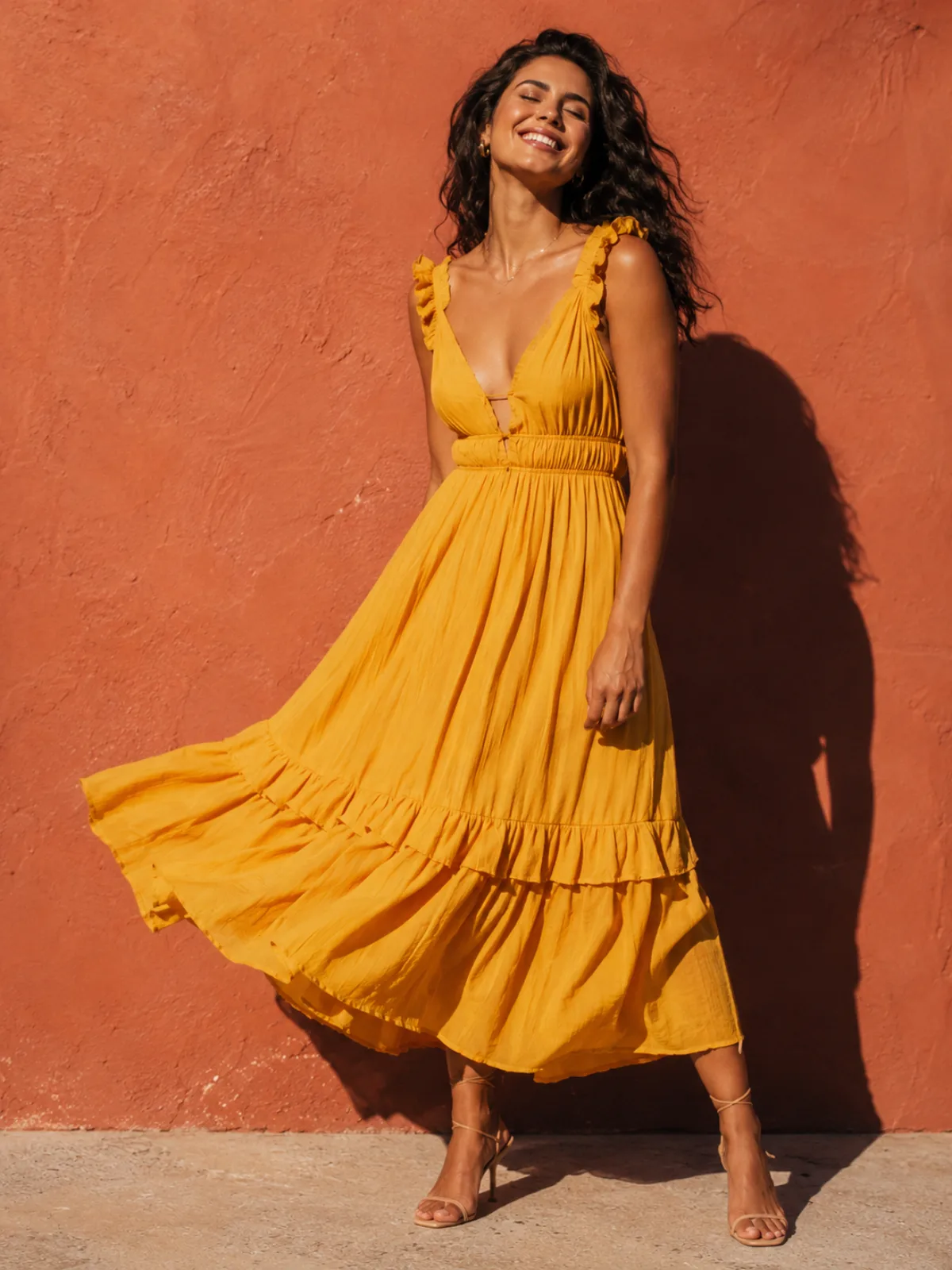
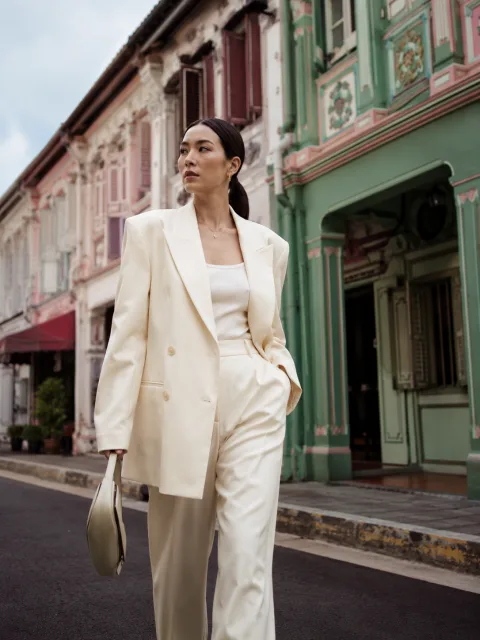
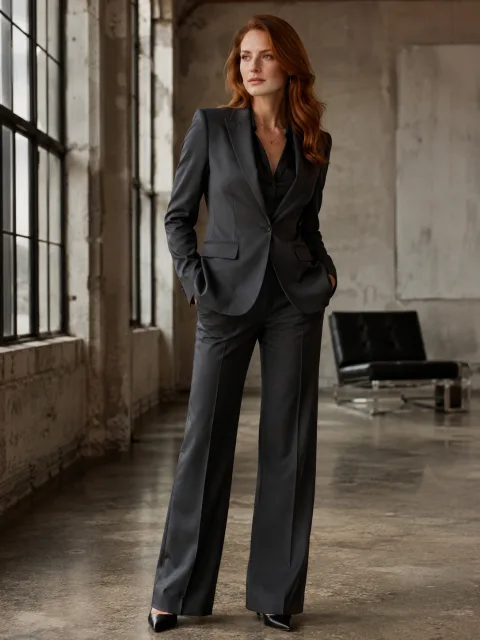
An AI photoshoot for global campaigns generates market-specific versions of the same collection — different model looks, settings and cultural cues for the US, UK, Australia and Asia — from one master brief, so a brand runs one coherent campaign everywhere instead of commissioning a separate shoot per region.
The problem global brand teams actually have
A collection launching in the US, UK, Australia and across Asia at the same time creates a genuine tension. Marketing teams want each market to see imagery that feels locally relevant — the right model representation, the right setting cues, sometimes the right seasonal framing — but brand teams need every market's imagery to still read as the same campaign. Historically, solving that meant either one generic shoot that under-serves every market equally, or multiple full location shoots that blow the budget and take months to land in sync.
An AI photoshoot resolves the tension differently: one underlying reference set, produced once, then varied systematically by market rather than reshot from scratch for each one.
The localization matrix
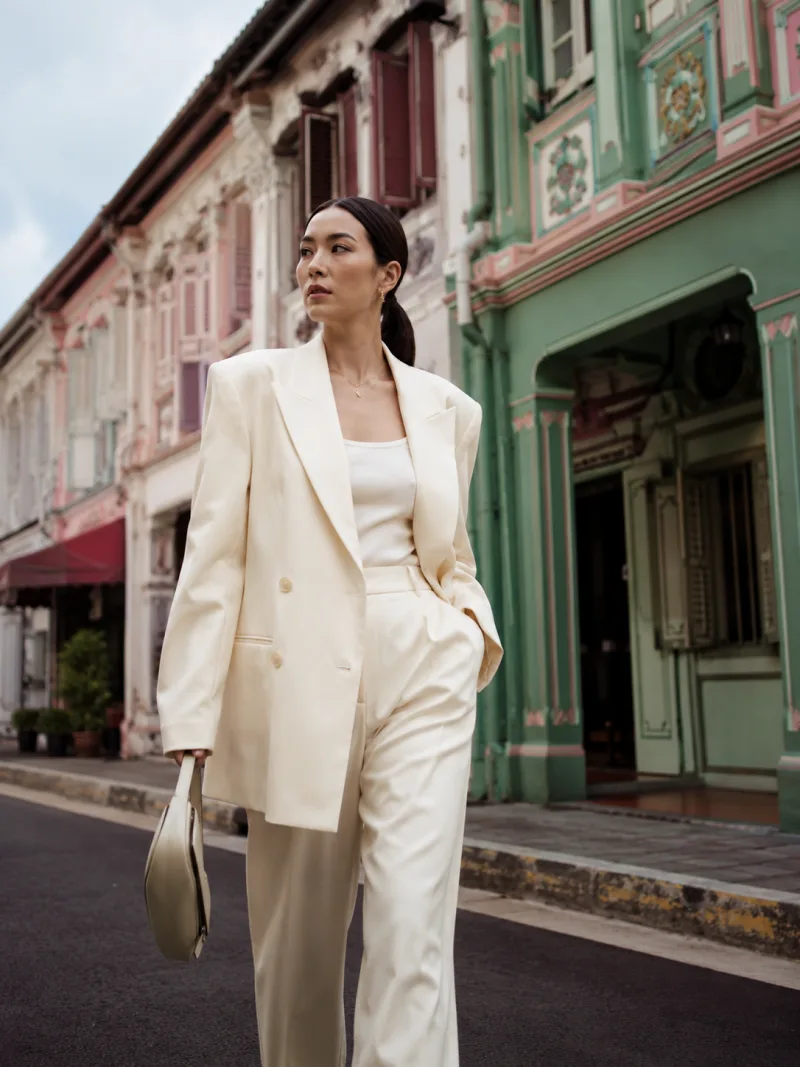
The practical approach that works for global brand teams is a localization matrix: one column per market, one row per campaign variable that is allowed to change. Everything else — garment, brand palette, art direction, logo placement — is locked across every version. What typically varies:
- Model representation — ethnicity, styling and casting that reflects each target market's audience
- Setting — a US suburban or urban backdrop, a UK high-street or studio look, an Australian beach or resort setting, an Asian city or interior scene
- Seasonal framing — matching each hemisphere's actual season at launch, rather than a single generic weather cue
- Secondary styling detail — accessories or layering choices that read as locally appropriate without changing the core garment story
What does not vary is the brand's visual identity — the same lighting language, the same colour grading, the same product presentation logic — so a global marketing director scrolling through every market's version at once still recognises it as one campaign.
One shoot, many markets: the economics
The cost and timeline comparison below is the clearest way to see why global brand teams are consolidating what used to be several regional shoots into one production pass with market variants generated from it.
| Separate Shoots Per Market | One AI Photoshoot, Localized | |
|---|---|---|
| Number of productions | One per region — US, UK, AU, Asia | One master shoot, multiple outputs |
| Brand consistency across markets | Depends on separate creative teams staying aligned | Locked by shared reference and art direction |
| Timeline to launch everywhere | Staggered by each region's booking schedule | All markets ready together, around 48 hours per cut |
| Cost scaling with more markets | Roughly linear — each region adds a full shoot | Marginal — new market variants cost far less than a new shoot |
Governance for global brand teams
Consolidating production this way only works if someone owns the master brand reference and signs off before any market variant goes out. The teams that get the most consistent results treat this as a formal step, not an afterthought:
One master reference, one owner
A single locked reference set — garment, model options, brand palette — with one person or team accountable for approving it before any market localization starts.
A market sign-off loop
Regional marketing leads review their market's variant against the master, flagging anything that reads as culturally off before it ships, rather than after it is live.
A shared asset library
All market variants stored and tagged together, so any team can see the full campaign across every region at once and confirm it still holds together as one identity.
This governance model matters more as the number of markets grows. Two markets can be kept aligned informally. Four or more markets, each with their own marketing lead and local nuance, need the master-reference discipline described above or brand consistency erodes quietly, market by market.
What stays consistent, what should flex
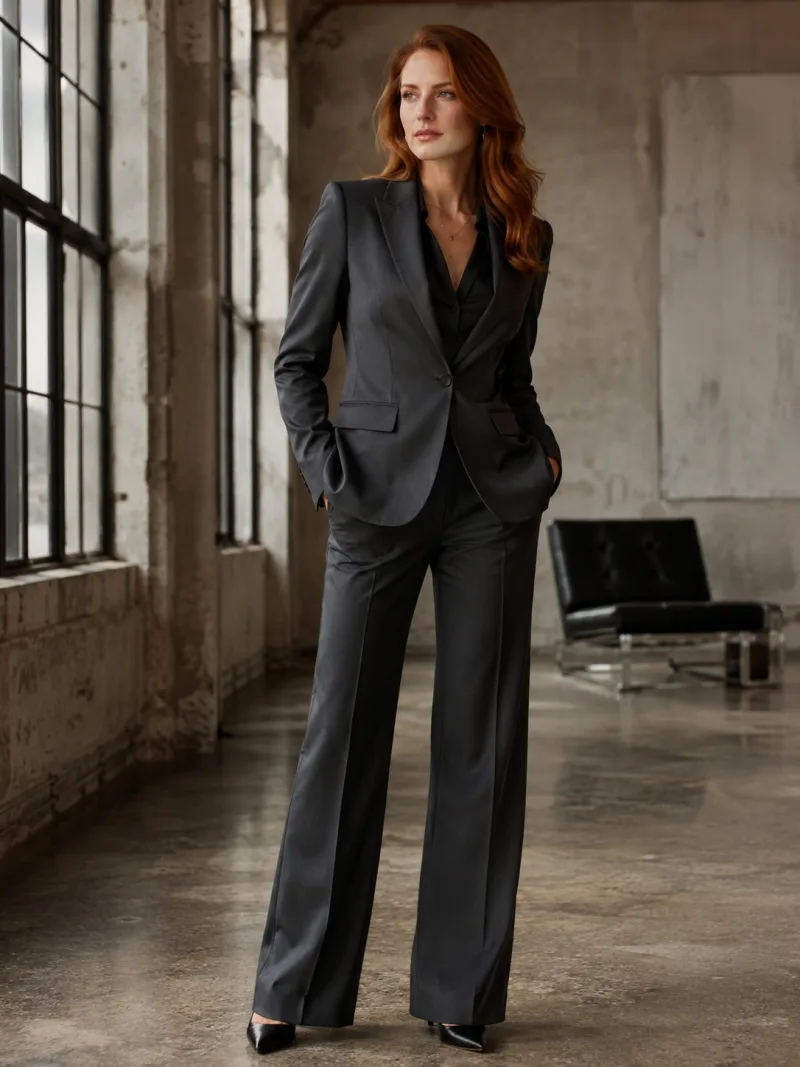
A useful rule of thumb for global brand teams building their first localization matrix: identity elements — logo treatment, colour grading, typography if it appears in-frame, overall lighting mood — should never flex by market. Representation and context elements — who is wearing the product, and where — should flex deliberately, based on real knowledge of each market's audience rather than guesswork. Getting this split wrong in either direction causes problems: too rigid, and markets feel underserved; too loose, and the campaign stops feeling like one brand.
Rolling this out across a launch calendar
For a coordinated global launch, most brand teams start with the master shoot four to six weeks ahead of the first market's go-live date, then generate market variants on a staggered schedule that matches each region's actual launch window — not necessarily all at once. Because variant generation runs in days rather than weeks, this staggering is a scheduling choice, not a production constraint.
See how the underlying AI photoshoot process works end to end, explore AI fashion photography for the garment-level detail behind each market variant, or read the broader case for AI photography as a production method for multi-market brands. For more on holding one model look consistent across an entire campaign, see our guide on AI model consistency across shoots.
Briefing the master shoot for a multi-market rollout
The master brief carries more weight in a global rollout than in a single-market shoot, because every downstream market variant inherits whatever is locked at this stage. A strong master brief includes clean garment references for every SKU in scope, an explicit brand style guide covering lighting, colour grading and framing conventions, a list of every target market with the specific representation and setting notes for each one, and a sign-off owner named upfront so approval doesn't stall once regional stakeholders start weighing in. Brands that treat the master brief as a living document — refined once with global input before any variant work starts — see far fewer late-stage revision cycles than teams that start localizing before the master reference is fully locked.
Frequently asked questions from global brand teams
How many market variants can be generated from one master shoot?
There's no hard ceiling — brands running four or five regional variants and brands running a dozen or more localized versions both use the same underlying master-and-variant structure. The cost and timeline scale with the number of variants, but far more gently than commissioning a separate shoot per market would.
What happens if one market's marketing team wants a bigger change than the others?
This is exactly what the sign-off loop is for — a market lead can request a variant that goes further than a simple setting or model swap, but it should route through the same master-reference owner so the change gets weighed against overall brand consistency before it ships, rather than being approved in isolation.
Do all markets need to launch on the same date?
No, and most global brands don't launch that way in practice. Because variant generation is fast relative to a full shoot, staggering launch dates by market is a scheduling decision made after the master shoot is complete, not a constraint the production process forces on the calendar.
Who should own final sign-off when regional teams disagree?
This should be decided before the master brief is written, not after variants start arriving. Most global brands assign one global brand or creative lead as final sign-off, with regional teams empowered to flag concerns but not to approve or reject a variant unilaterally — keeping the campaign coherent even when regional opinions differ.