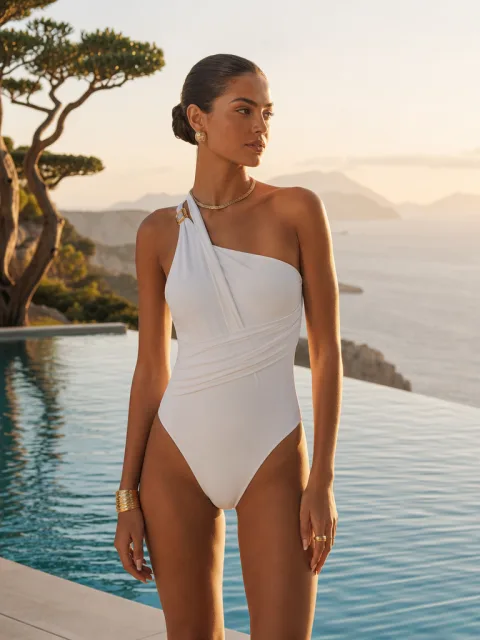
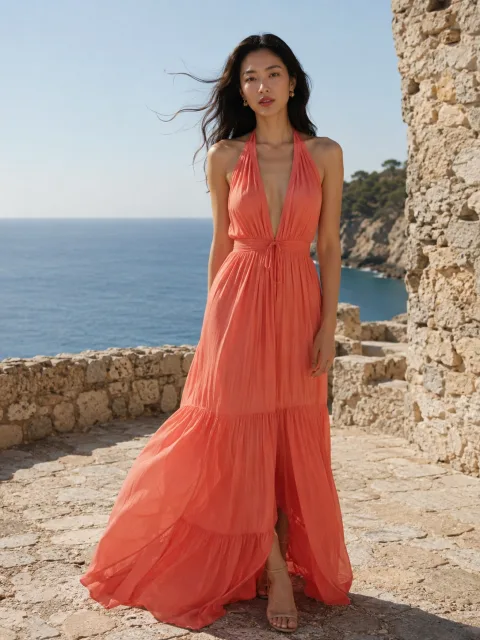
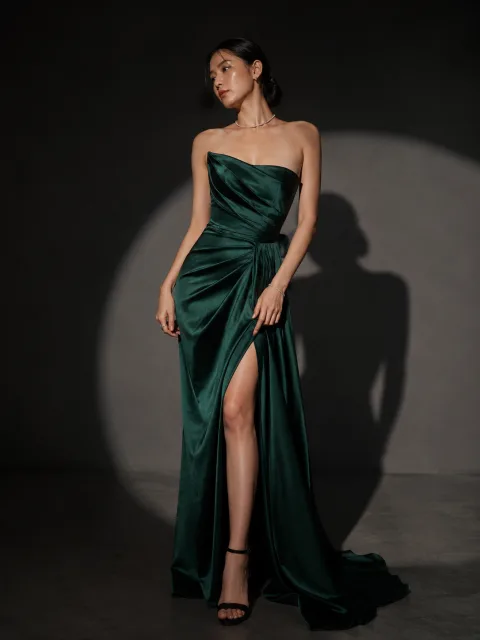
AI Photoshoot for Luxury Fashion Houses
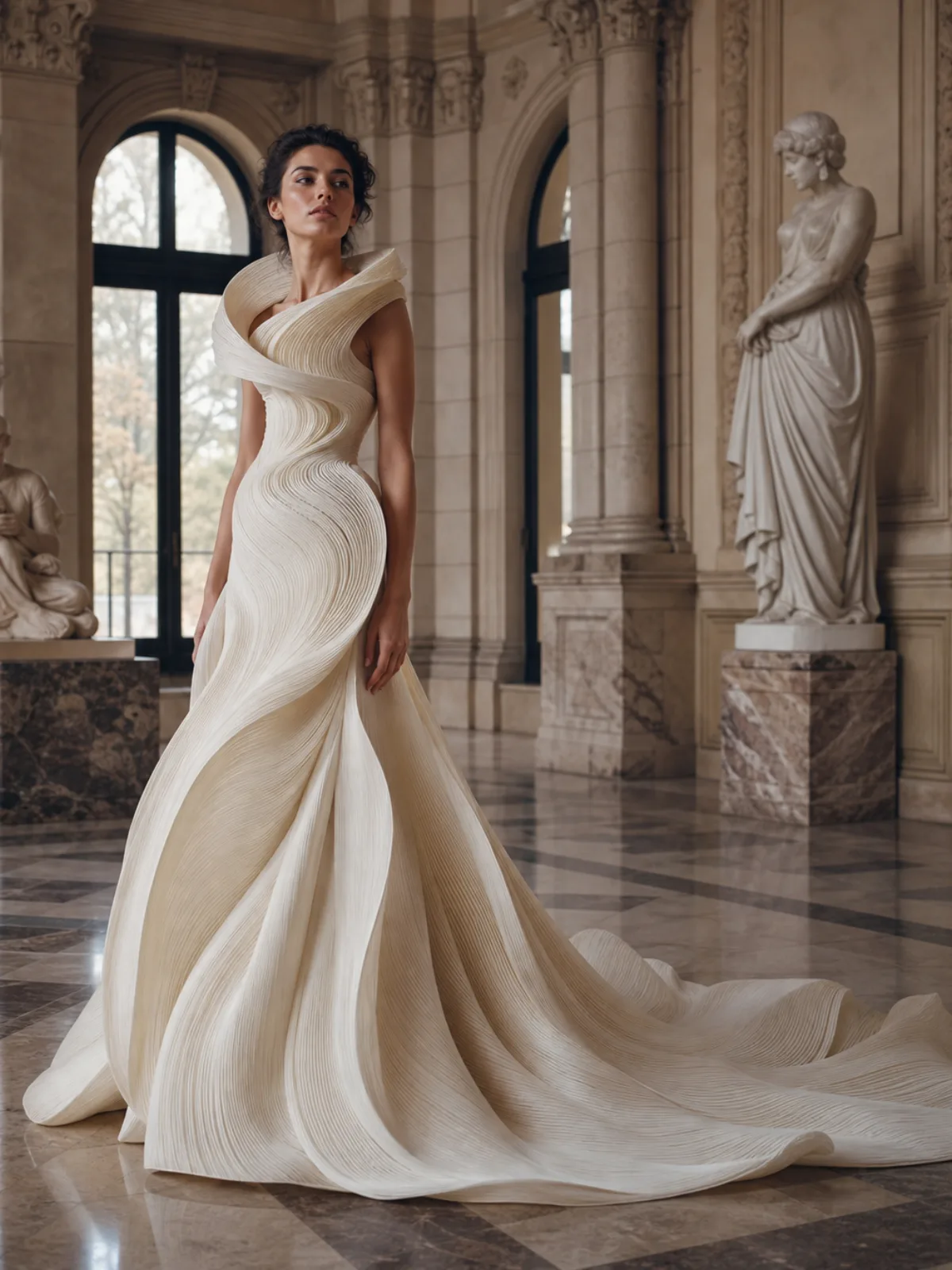
Luxury maisons don't evaluate AI photoshoots the way a fast-fashion brand does. Governance of brand codes, confidentiality of unreleased collections and a clear line on where craft photography remains non-negotiable matter as much as the imagery itself — and those questions, not raw image quality, are usually what decides whether a heritage house moves forward.
The short answer
Heritage houses that have piloted AI photoshoot work tend to converge on the same conclusion: the technology is ready for specific jobs — pre-visualization, localization, digital-first content — and not yet the default for hero campaign photography where the tactile quality of a physical set is part of the brand's story. The evaluation that matters isn't "does this look real," it's "does this respect the house's codes, protect what hasn't launched yet, and fit into an existing approval process without weakening it."
Brand-codes governance: locking the aesthetic before generating anything
Every luxury maison operates from a codified aesthetic — specific lighting, specific model casting parameters, specific cropping and colour grading that took decades to build and that a house's own creative team protects closely. The risk with AI imagery isn't that it looks artificial; well-produced AI photography rarely does by 2026. The risk is that it looks generically beautiful rather than specifically on-brand, because a generation model's defaults are trained on the broad average of fashion imagery, not on one house's particular codes.
The governance answer is to treat the house's style guide as a hard constraint on the production process, not a loose inspiration. That means locked lighting references, an approved model identity used consistently across a campaign rather than regenerated per image, and a sign-off step from someone who owns the house's aesthetic — not just a technical reviewer checking for AI artefacts. Brands moving carefully into this space typically start with a narrow, low-risk use case under this governance model before extending it to anything more visible.
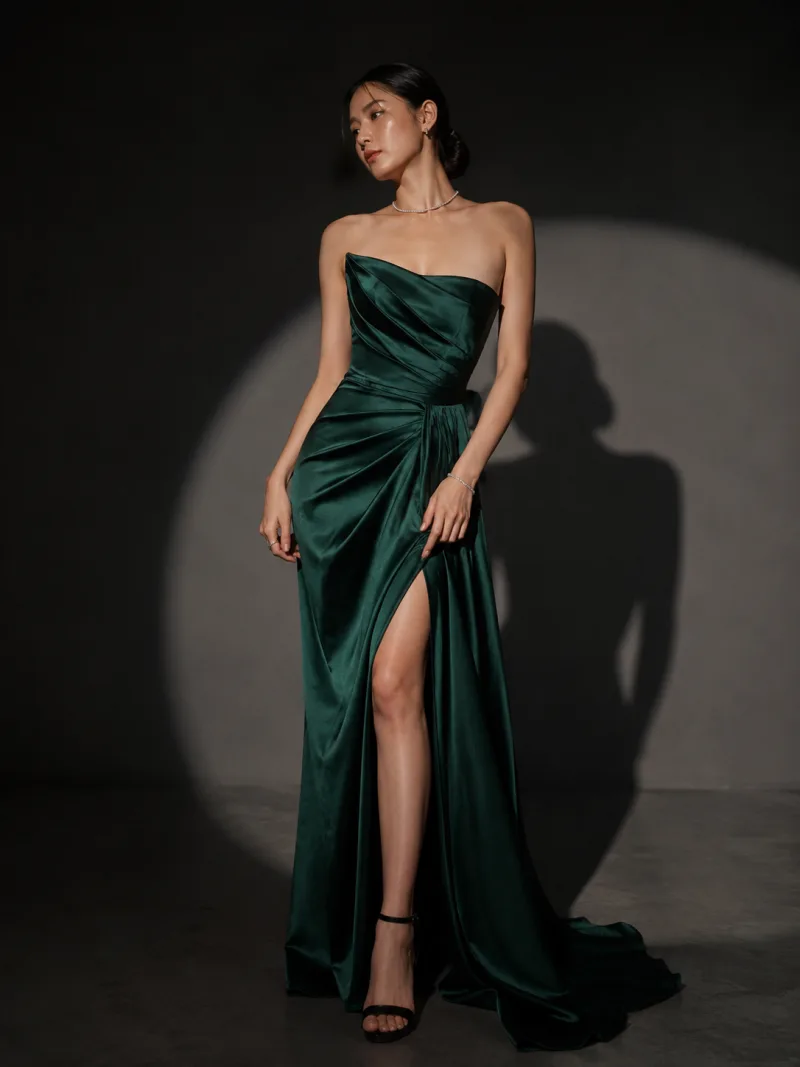
Confidentiality: generating imagery before a single sample leaves the atelier
Pre-launch confidentiality is one of the more specific advantages AI photoshoot production offers a house working on an unreleased collection. Traditional photography for a not-yet-shipped collection requires the physical sample to travel — to a studio, past a crew, sometimes across borders — creating exposure at exactly the moment a house most wants to control information. A generation-based workflow built from a locked design reference (technical sketches, fabric swatches, an early sample photographed in a controlled internal setting) can produce pre-launch campaign visualisations without the finished garment ever leaving the atelier.
This isn't a claim that AI imagery replaces the physical sample in the process — it doesn't, and the reference still has to be accurate. It's a narrower, more useful claim: the number of people and locations that need to see the physical piece before launch can shrink, because the campaign visualisation work can proceed from controlled reference material rather than the finished sample.
Where AI fits — and where craft photography still wins
The most useful framing for a luxury house isn't "AI versus photography," it's matching each production method to the job it's actually good at.
- Pre-visualization. Testing a campaign concept, a location idea or a model casting direction before committing budget to a physical shoot. AI photoshoot work is well suited here because speed matters more than final-frame perfection.
- Localization. Adapting an approved hero campaign for regional markets — different model casting, different cultural context, different language treatments — without re-shooting the entire campaign per market.
- Digital-first content. Social, e-commerce and CRM imagery that needs volume and turnaround speed the traditional studio calendar can't match, without carrying the same weight as a flagship print campaign.
- Hero campaign photography. Many houses still hold the flagship image — the one that runs on the storefront, the print placement, the brand's most visible moment — to traditional photography, where the specific texture of a physical set and an in-person creative director's eye remain part of the value.
This division isn't fixed forever — it reflects where confidence and comfort sit in 2026, and it's shifting as more houses run controlled pilots. But it's a more honest starting point than treating the choice as all-or-nothing.
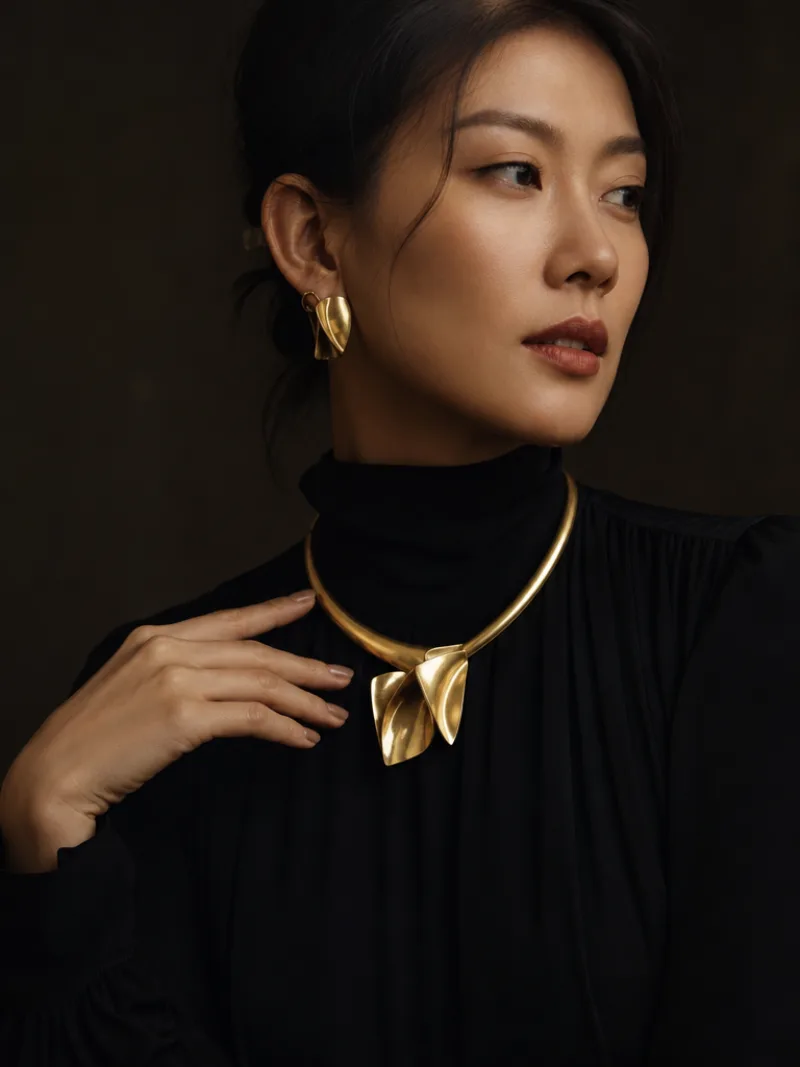
AI photoshoot vs traditional campaign photography for a heritage house
| Traditional Campaign Shoot | AI Photoshoot | |
|---|---|---|
| Pre-launch sample exposure | Sample travels to studio and crew | Generated from controlled reference material |
| Regional localisation | Separate shoot per market | Generated variations from one approved reference |
| Concept testing before commit | Full production cost to test one idea | Low-cost pre-visualization |
| Flagship hero imagery | Full creative and technical control on set | Best suited as a complement, not yet a full replacement |
| Digital and social volume | Constrained by studio calendar | Scales without a proportional cost increase |
How a pilot typically unfolds
Houses that move carefully into this space rarely start with a flagship campaign. A more common entry point is a single, contained use case — localizing an already-approved hero image for a secondary market, or generating a set of internal pre-visualization frames to test a concept before a physical shoot is booked. That narrow scope lets the house's own creative and legal teams evaluate the governance model — how references are locked, who reviews output, how confidentiality is handled — without exposing anything commercially sensitive.
Once that pilot demonstrates the process holds the house's codes consistently across a small set of images, the scope typically widens in stages: more markets for localisation, more digital-first content, and eventually a broader test against a live campaign brief run in parallel with traditional photography, so the two can be compared directly rather than one simply replacing the other on faith.
The confidentiality conversation with a partner
Because pre-launch material is involved, the confidentiality terms of an engagement deserve the same scrutiny a house would give any vendor handling unreleased design work — arguably more, since the material in question is often the most closely guarded asset a house has at any given moment. That means clarity on where reference files are stored, who within the partner's team can access them, how long they're retained after delivery, and whether they're used for any purpose beyond the specific project — including, notably, whether they're ever used to improve or train a generation model in a way that could resurface elements of the house's unreleased work elsewhere. A serious partner should be able to answer these questions specifically rather than in general reassurances, and should be willing to formalise them in an NDA before any reference material changes hands.
What changes for the in-house creative team
The shift that matters most internally isn't technological, it's procedural. A creative director who previously briefed a photographer, a stylist and a location scout now briefs a generation process with the same rigour — a locked mood board, explicit casting parameters, exact colour and lighting references — but reviews output in days rather than after a multi-week production calendar. Teams that get the most value treat this as a new production channel to be directed with the same standards as any other, not as a shortcut that removes the need for creative direction. The houses seeing the weakest results are usually the ones that handed a brief to a tool with no house-specific reference material and expected the output to already understand decades of brand history.
Procurement questions a house should ask any AI imagery partner
- What confidentiality and data-handling terms apply to unreleased design references — where are they stored, who can access them, and are they deleted after delivery?
- Who signs off on brand-codes accuracy before an image ships, and does that person understand the house's specific aesthetic history, not just generation technology?
- Can a model identity or campaign look be locked and reused consistently across a full season, rather than regenerated inconsistently image to image?
- Does the agreement transfer full commercial usage rights on delivery, and are there any restrictions on markets, platforms or duration of use?
- What is the actual review process — automated only, or a trained human reviewer checking against the house's own standards?
These are the same governance questions that apply to our broader AI fashion photography and AI photography work, scaled up for the higher stakes a heritage house carries. For a wider view of how the luxury category is approaching this shift, see AI fashion photography for luxury brands.