AI Photoshoot for Streetwear Brands: Drops Without the Shoot
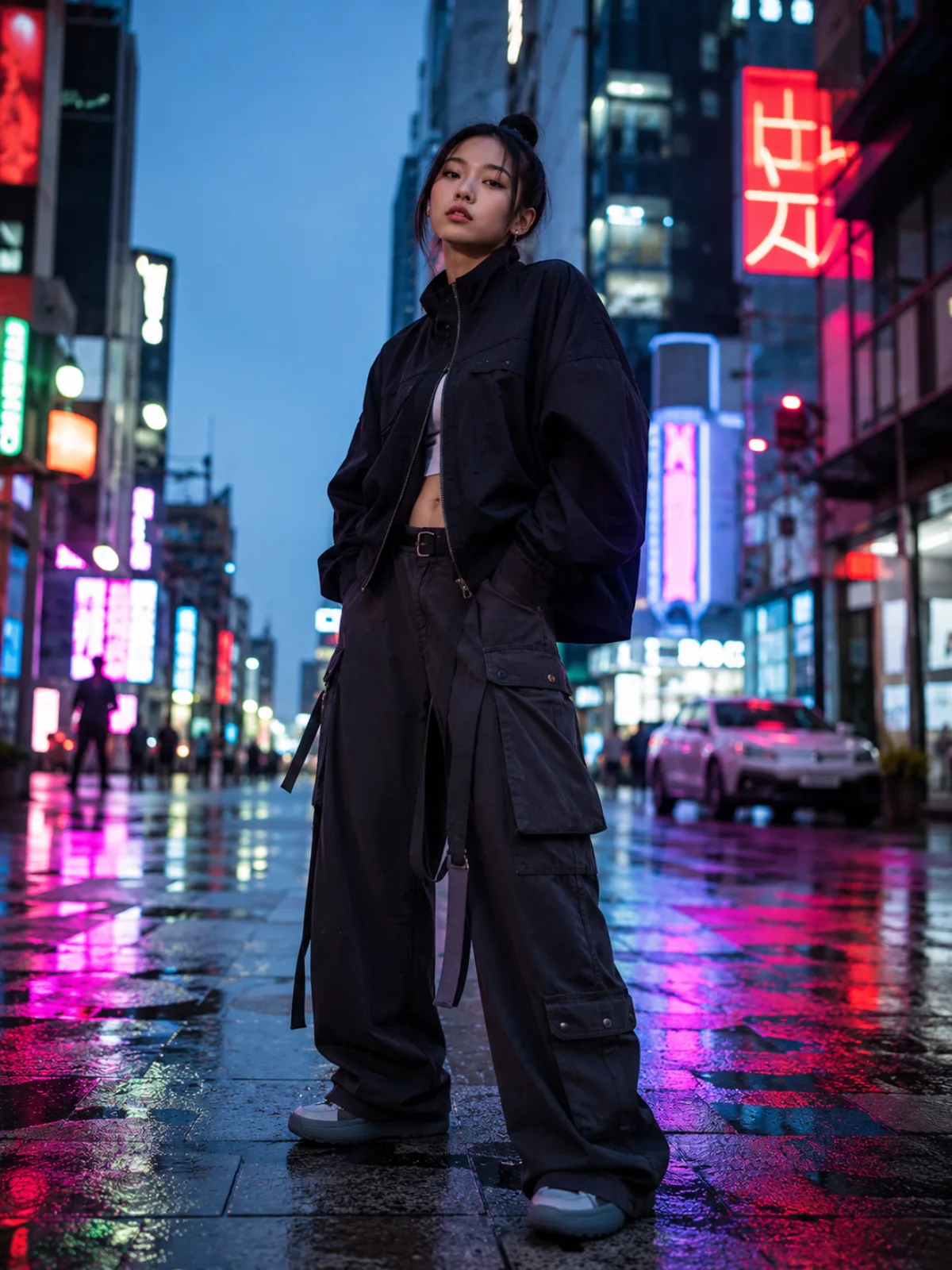
An AI photoshoot lets a streetwear brand produce campaign-grade drop imagery — models, urban locations, night lighting, the lot — from product photos alone, usually within about 48 hours. No location permits, no crew, no shoot day. For labels running drop culture on an indie budget, it removes the one production step that never kept pace with the calendar.
Why drop culture breaks traditional production
Streetwear runs on cadence. A drop every two to four weeks, teasers in the days before, story content through the sell-through window, then the next capsule. The clothes can keep that pace. Photography usually cannot.
A conventional shoot needs a photographer, a model, a location, and a day when all three line up. For an independent label that means either batching several drops into one shoot day — which makes every drop look like it came from the same afternoon, because it did — or paying for a full production every few weeks. Most small labels quietly settle for the third option: flat-lay product shots and a phone photo of a friend in the hoodie. The product is strong; the imagery undersells it.
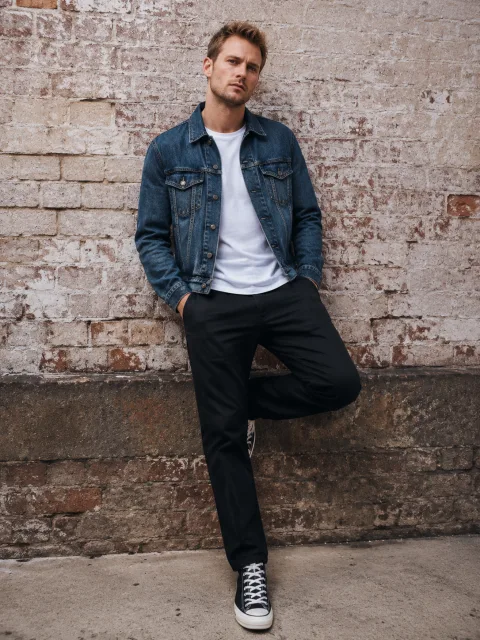
An AI photoshoot flips that constraint. The garment is photographed once, flat or on a mannequin, and everything else — the model, the street, the light — is generated around it. The marginal cost of a new scene is a brief, not a booking.
Urban scenes without a location shoot
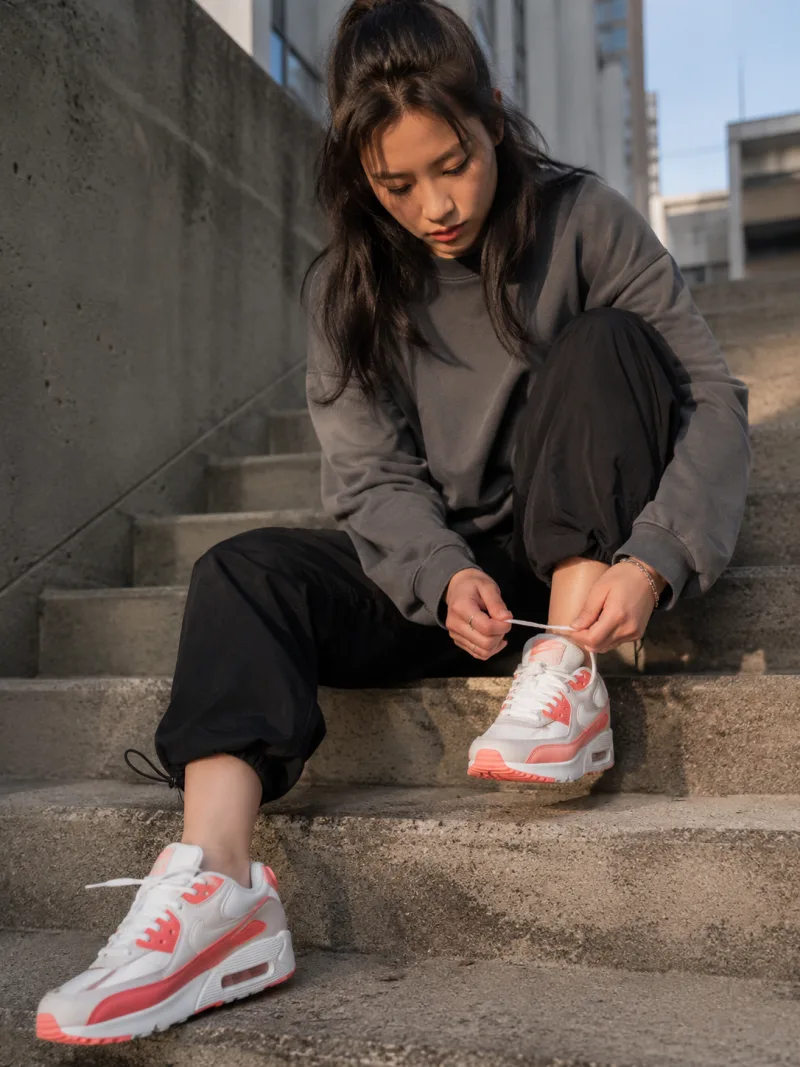
Streetwear imagery lives and dies on setting. A basement car park at night, a chain-link fence and sodium light, a Tokyo backstreet, a Brooklyn rooftop at golden hour. Booking those locations for real involves permits, travel and weather risk — and the most photogenic ones are the hardest to secure.
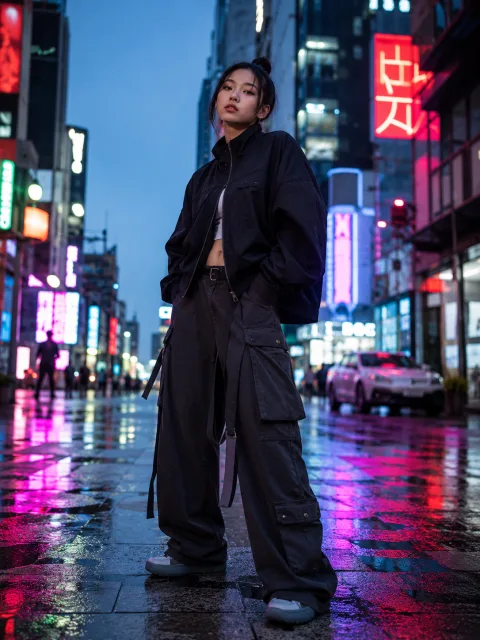
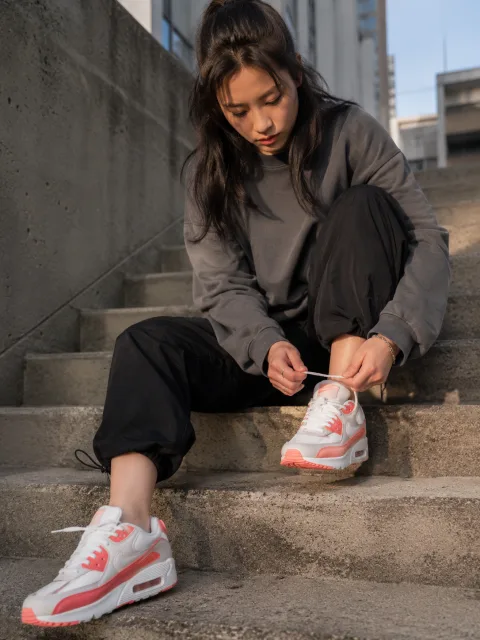
Generated scenes carry none of that overhead. In a single production cycle, the same jacket can appear under neon at street level, against raw concrete in daylight, and in a moody interior stairwell. Each scene is directed, not stumbled upon: the brief specifies the city character, the time of day, the light temperature and the level of grit, and the output follows it.
Two practical notes from production work. First, generated street scenes should avoid readable third-party signage and trademarks — a good operator directs the scene so incidental storefronts and posters stay abstract. Second, night scenes are a genuine strength of current models: neon reflections, wet pavement and mixed light sources render convincingly, which suits streetwear better than almost any other category.
Keeping a recognizable identity across drops
The risk everyone worries about with generated imagery is sameness — that every AI image looks like every other AI image. The opposite problem is more common in practice: without discipline, every generation looks different, and the brand feed turns into a mood-board of unrelated styles.
The fix is treating visual identity as a locked specification, the same way a good creative director would on a real set:
- Locked model casting. The same generated faces recur across drops, so followers recognize "the brand's models" the way they would recognize a real house model.
- A fixed light and colour grammar. If the brand look is cool shadows, crushed blacks and one neon accent, that grammar is written into every brief and checked on every output.
- Consistent framing. Streetwear brands often own a signature crop — low-angle full body, or tight three-quarter with heavy negative space. That framing repeats deliberately.
- A reference board, not vibes. Three to five anchor images define the look. Every new drop is generated against them and judged against them.
Done this way, the imagery across six months of drops reads as one label with one point of view — which is exactly what drop culture rewards. Repeat casting techniques are covered in more depth in our guide to keeping AI models consistent across shoots.
Weekly content cadence, priced for an indie label
Here is the comparison that matters for a label deciding how to produce its next drop. Figures are typical ranges in USD; every production differs.
| Traditional Drop Shoot | AI Photoshoot | |
|---|---|---|
| Model + photographer + crew | $2,000–$8,000 per drop | Included in project fee |
| Urban location access | Permits, travel, weather risk | Any city scene, generated |
| Turnaround | 2–6 weeks with retouching | Typically about 48 hours |
| Cadence it can sustain | Monthly or quarterly batches | Weekly drops and teasers |
| Extra scenes of the same piece | New shoot day | New brief, low marginal cost |
The economics change behaviour, not just budgets. When a new scene costs a brief instead of a shoot day, a label can produce teaser imagery before the drop, hero imagery for launch, and fresh angles for the mid-window push — for one capsule. That volume of platform-native content is what the algorithm-driven feeds actually reward, and it is the part indie labels usually cannot afford to produce conventionally.
Hype-worthy imagery: what actually makes the cut
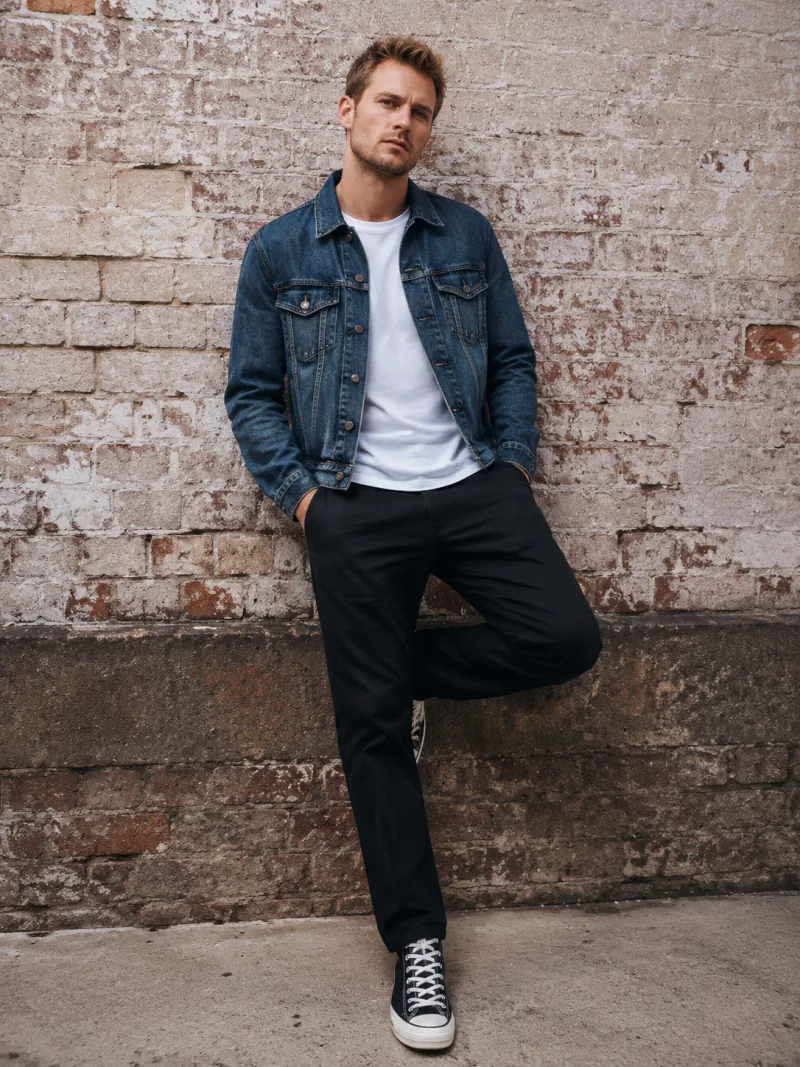
Streetwear buyers have sharp eyes. Imagery that looks generated in the bad way — waxy skin, floating garments, impossible stitching — gets called out fast, and in this category the comments section is part of the brand. So the quality bar is not "does it look real," it is "does it survive a zoomed-in screenshot posted by a sceptic."
That bar is reachable, but it is a production standard, not a button. The work that gets an image there:
- Garment fidelity. Graphics, embroidery and colourways must match the real product, because the customer receives the real product. Reference-based generation from clean product photography keeps prints and panels exact.
- Fabric behaviour. Heavyweight fleece drapes differently from nylon. A reviewer who knows garments checks that the generated drape matches the actual fabric.
- Human review of hands, seams and type. The classic tells are still the failure points. Every frame gets checked before it ships.
Self-serve tools can get a competent operator most of the way on single images. Where labels tend to move to a done-for-you AI photography service is volume with consistency — twenty finished frames per drop, every drop, all on-identity, without the founder spending release week prompt-wrangling.
How a drop cycle runs in practice
A typical production rhythm for a label on a two-week drop cadence looks like this. Product photography for the capsule is shot once — flat-lays or mannequin shots on a plain background, phone-quality is workable if the light is clean. The brief locks the scene list: two urban settings, one interior, model casting from the brand's established faces. First outputs come back for review in a day or two; garment accuracy and identity are checked; selects are graded and delivered. Teasers go out, the drop lands, and the next capsule's brief is already in.
The step that surprises most founders is how much of the work is creative direction rather than technology. The generation is fast. Deciding what the brand looks like — and holding every image to it — is the discipline that separates a feed that builds hype from a feed that just has pictures. That is the same discipline behind strong AI fashion photography in any category; streetwear just runs it at a faster clock speed.
Where AI photoshoots fit — and where they don't
Honest scoping matters. Generated imagery is at its best for lookbook, campaign and social content: model-on-location storytelling at volume. It is not the right tool for pixel-exact macro shots of embroidery you want to certify thread-by-thread, and it does not replace the cultural work of streetwear — the collabs, the community, the story behind a capsule. It replaces the production bottleneck between having a strong product and showing it the way it deserves.
For an independent label, that trade is usually straightforward: keep the product photography real, generate the world around it, and spend the reclaimed budget on the next drop.