What Is AI Photography? A Plain-English Explainer
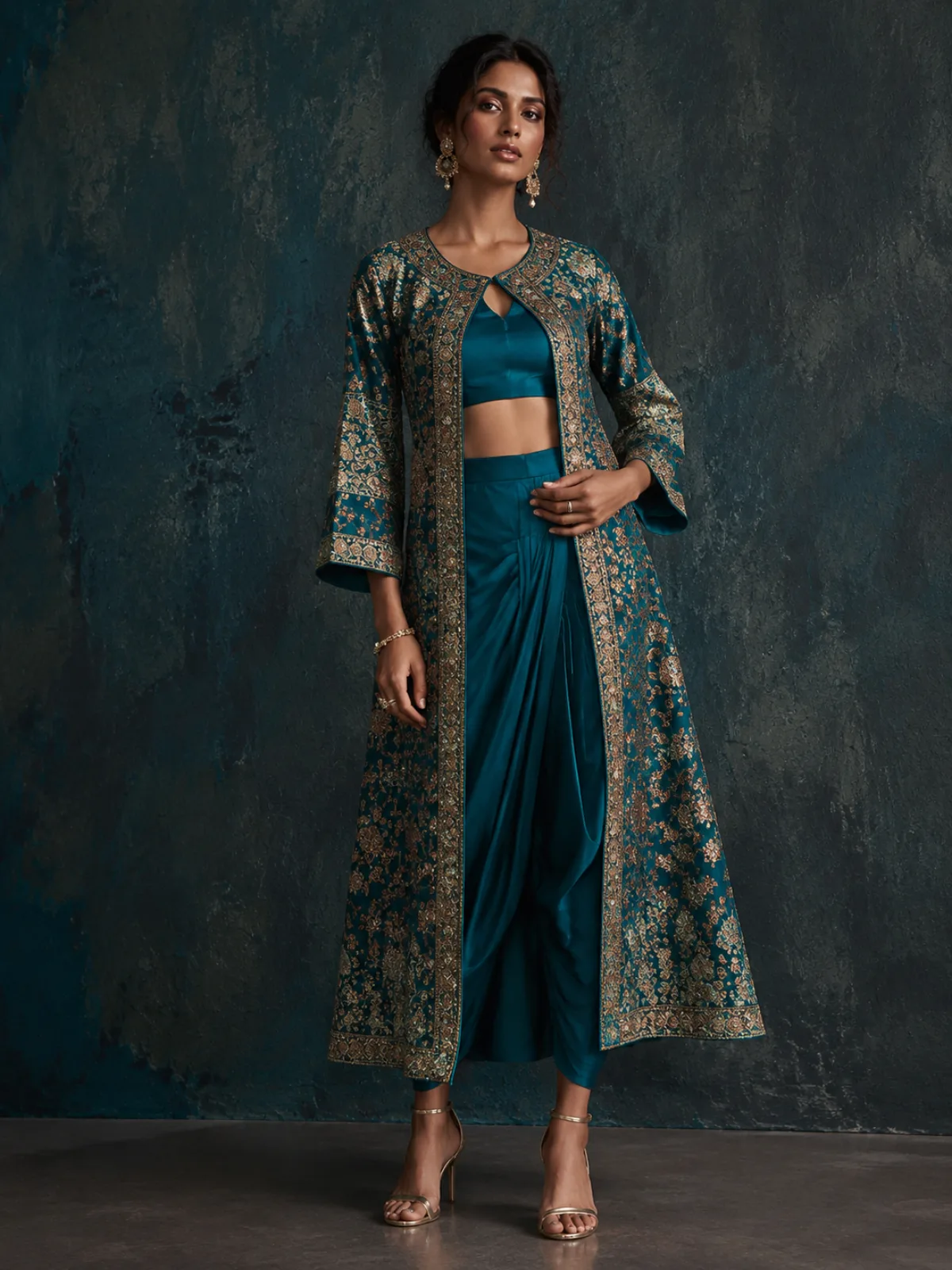
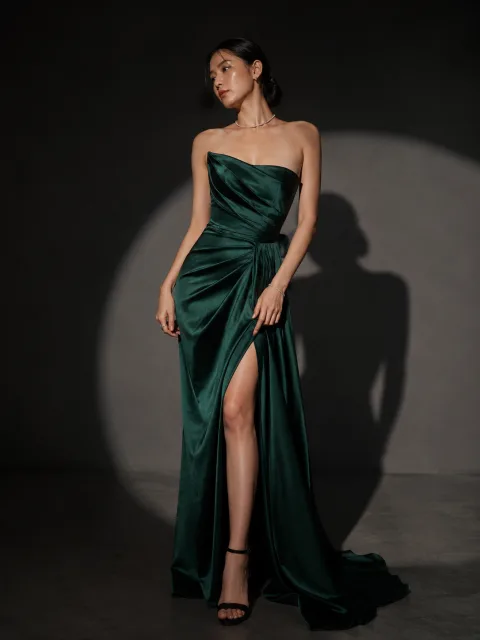
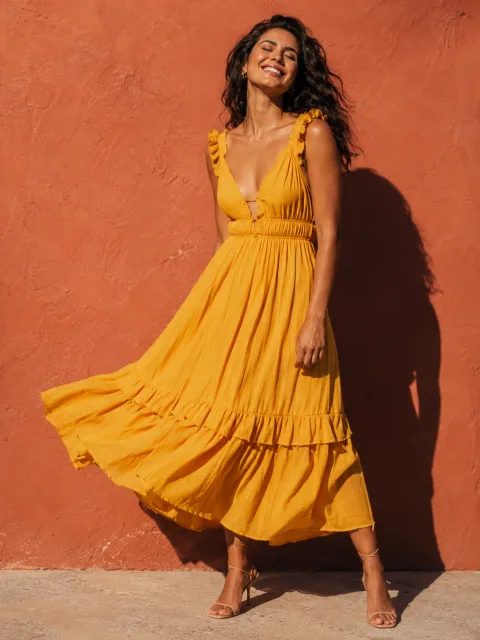
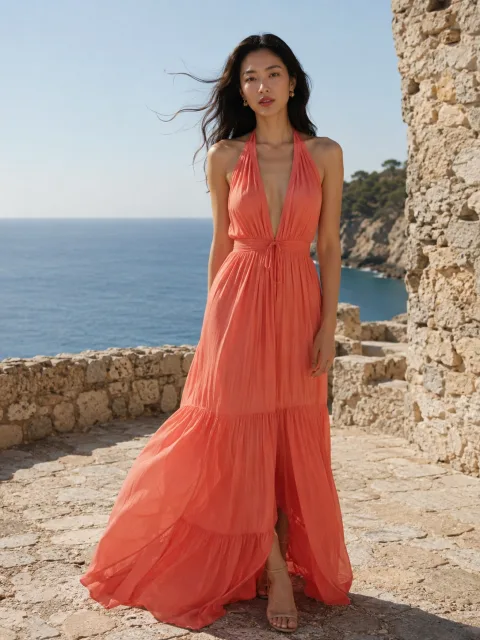
AI photography is the creation of photograph-quality images using generative AI models rather than a camera and a physical set. A written brief goes in — the subject, the setting, the mood — and a finished, camera-realistic image comes out, usually reviewed and refined by a human before it ships.
The short answer
AI photography does not photograph anything. It generates pixels that look like a photograph. Modern models are trained on enormous sets of real photographs, so they have learned how light falls on skin, how fabric folds, how glass reflects and how a lens compresses a background. Given a clear text or image prompt, they produce a new image that follows those same rules. The result is judged the same way a real photograph is judged: does it look correct, and does it look intentional.
This differs from photo editing. Editing changes an existing photograph. AI photography creates one that never existed as a physical scene.
A quick history
Early AI-generated images, common around 2022 and 2023, were easy to spot. Hands had too many fingers. Text was garbled. Skin looked waxy under close inspection. Brands treated AI imagery as a novelty rather than a production tool.
That changed fast. Through 2024, model quality jumped in large steps, and fine-tuning techniques made it possible to lock a specific model face or product across dozens of images. By 2025, AI-generated fashion and product imagery was passing blind side-by-side tests against real studio photography in a growing number of use cases. Heading into 2026, the technology is no longer the bottleneck for most commercial work. Creative direction and quality control are.
How it actually works
Three components sit behind almost every commercial AI photography workflow.
A generation model
A diffusion model, the standard approach in 2026, starts from random noise and gradually refines it into a coherent image, guided by the prompt. Fine-tuned versions of these models can hold a consistent subject — the same product, the same face, the same brand palette — across many images.
Reference input
Quality depends heavily on what goes in. A clean product photo, a locked model reference, or existing brand imagery gives the model something concrete to match. Vague prompts with no reference produce generic, inconsistent output.
Human review
This is the step self-serve tools skip and agencies do not. A trained eye checks hands, fabric behaviour, proportions and brand fit, then sends anything that fails back for another pass. Without this step, AI images tend to have the small tells — odd fingers, warped text, mismatched shadows — that give them away.
What AI photography is good at
- Producing many variations of the same shoot — colourways, poses, backgrounds — at low marginal cost
- Turning around campaign, catalog and social imagery in days rather than weeks
- Placing a product or model in locations that would be expensive or impossible to book in real life
- Keeping a model or brand look consistent across a long-running campaign
What it is not good at yet
- Ultra-fine texture accuracy on close-up macro shots, where the smallest artefacts are most visible
- Scenes with unusual or highly specific real-world logos, signage or legal text that must be pixel-exact
- Fully unsupervised output — the best commercial results still involve a human reviewer
Cost: AI photography vs a traditional shoot
| Traditional Shoot | AI Photography | |
|---|---|---|
| Model, studio, crew | $3,000–$12,000 | Included in project fee |
| Location or travel | $500–$5,000+ | $0 — any location generated |
| Retouching | $50–$150 per image | Included |
| Reshoot for a revision | Full day rate again | Usually included, no extra fee |
| Typical total per campaign | $10,000–$25,000 | A fraction of that, depending on scope |
The gap narrows on very small one-off jobs and widens fast as output volume grows — more colourways, more markets, more platforms.
How to brief an AI photography project
A strong brief shortens the whole process, whether you work with a tool or an agency. Four things matter most.
Clean reference material
A flat-lay or ghost-mannequin shot of a garment, a clear product photo on a plain background, or a small set of existing brand images all work well. Blurry or heavily shadowed references produce blurry, shadowed results.
A defined mood
Point to two or three existing images, from your own catalog or elsewhere, that capture the lighting and tone you want. Words like "editorial" or "clean" mean different things to different people; a reference image removes the ambiguity.
Model and location detail
Specify ethnicity, age range, body type and setting if they matter to the brief. The more specific the input, the fewer revision rounds it takes to land on the right output.
A realistic timeline
Simple single-look projects move fastest. Multi-location campaigns with several model looks take longer to plan, even though generation itself is quick. Agree the timeline upfront rather than assuming everything ships overnight.
When to use a self-serve tool vs an agency
A self-serve AI tool makes sense when you have design skill in-house, low volume, and time to iterate on prompts yourself. It puts you in the director's chair, which is fine if you enjoy that work and have the hours to spend on it.
A done-for-you agency makes sense when you need consistent brand quality at volume, do not have a full-time creative director for imagery, or simply want to send a brief and receive finished work. Most brands that start on a tool eventually hit a ceiling on either output quality or production overhead, and move to an AI photography agency from there. See our full breakdown of AI photography cost versus a traditional shoot for the numbers behind that decision.
Common misconceptions
A few beliefs about AI photography are out of date. "It always looks fake" was true in 2022 and is rarely true in 2026 for well-produced work. "It is free" ignores that quality output still requires a skilled operator or agency, reference material and review time. "It replaces the entire creative team" undersells the art direction that separates strong output from generic output — the model generates pixels, a human still decides whether they are right for the brand.
Another common assumption is that AI photography only works for fashion. It started there because fashion brands were early, high-volume adopters, but the same pipeline applies to product shots, corporate headshots and lifestyle content. The subject changes; the underlying process does not.
Rights, ownership and disclosure
Two practical questions come up in almost every first conversation about AI photography: who owns the finished image, and do you need to disclose that it is AI-generated?
Ownership depends entirely on your agreement with whoever produces the work. A clear engagement should transfer full commercial usage rights to you on delivery, with no ongoing licence fee and no cap on where the image can run. Check this before signing with any provider — some self-serve tools license output under restrictive terms that only surface once you try to use an image at scale.
Disclosure rules vary by platform and region and are moving targets in 2026. Some ad platforms now ask advertisers to flag AI-generated or AI-modified imagery. The safest approach is to check the current policy of each platform you plan to run on rather than assume last year's rule still applies.
Where this is heading
The trend line through 2025 and into 2026 points toward AI photography becoming the default for high-volume commercial imagery, with traditional photography remaining the choice for hero campaigns that specifically want the texture of a real set, or for categories where exact real-world accuracy is non-negotiable. Most brands will end up running both, choosing per project rather than picking one production method for everything.