AI Fashion Model: The Complete 2026 Guide
The phrase AI fashion model was a curiosity in 2023. By 2026 it is the default. Every major fashion brand on the planet is using AI models somewhere in their content stack — for PDP, for campaign, for lookbook, for social. This guide covers what an AI fashion model actually is in 2026, how the casting process works, and where they sit in your content mix alongside traditional talent.
What is an AI fashion model
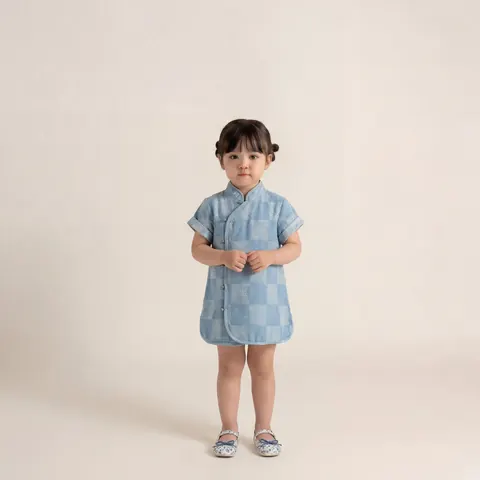
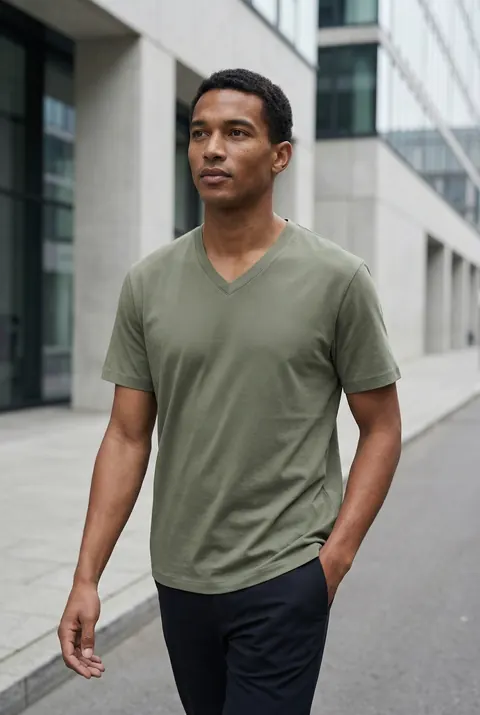
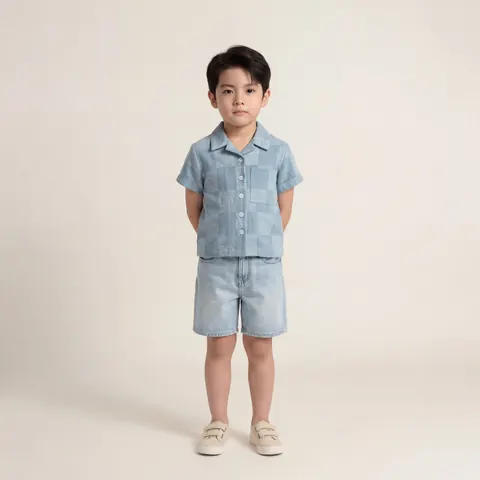
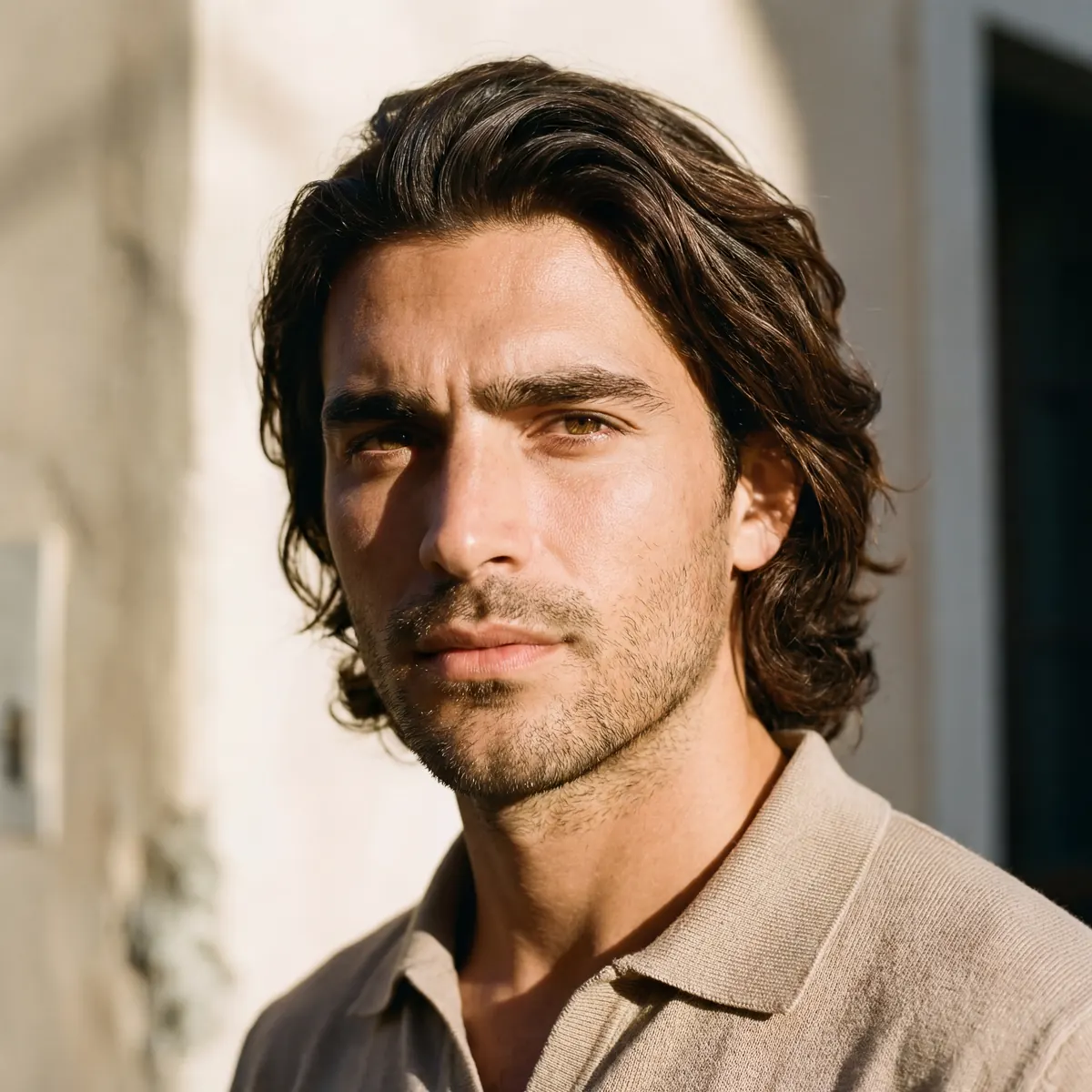
An AI fashion model is a photorealistic digital person — face, body, identity, expressions — generated by AI and used as the model in fashion photography and video. The AI model does not exist in the physical world. They are generated per shoot, per image, per brief.
Modern AI models in 2026 are indistinguishable from human models in finished imagery. They can be photographed (generated, really) in any pose, any location, any lighting, any outfit. They do not age. They do not have scheduling conflicts. They do not have agents.
How AI fashion model casting works
At AI Studio, model casting starts with a brief — ethnicity, age range, body type, hair, face structure, brand aesthetic. Our creative team generates 10-20 model options. The brand picks one or two. We lock those identities and every future shoot for that brand uses them for consistency.
This is different from traditional casting where you browse agency portfolios and pay day rates. AI model casting is faster, cheaper, and infinitely more customisable — but it still requires senior creative direction to do well.
AI fashion model vs human model — the fair comparison
Cost: AI model production is dramatically cheaper per shoot. A senior human model on a mid-market shoot runs $2,000-$8,000 per day. AI model usage is functionally free once the brand and model are locked.
Consistency: AI models win. The same face, same body, same identity across every shoot, every season, forever. Human models age, change, leave agencies, become unavailable.
Brand story: human models can still win on brand narrative for hero campaigns — the athlete, the celebrity, the muse. Most brands use humans for hero and AI for volume.
Ethics: AI models avoid some ethical concerns of the human modelling industry (body pressure, work conditions) but introduce new ones (displacement, transparency). Disclosure is becoming a 2026 norm.
Where AI fashion models win
PDP and catalog at scale. Lookbook for new drops. Social content. Paid ad creative. Localised imagery for regional markets. Inclusivity casting for under-represented body types and ethnicities. Essentially everywhere high volume and consistency matter more than a specific human's brand association.
Where human models still win
Hero brand campaigns where the model is the story. Celebrity talent partnerships. Editorial features with specific creative vision. Certain luxury segments where physical authenticity is core to the brand proposition. Even here, most luxury brands in 2026 are blending AI and human production in the same campaign.