AI Lifestyle Photos for Social Media: A Practical Playbook
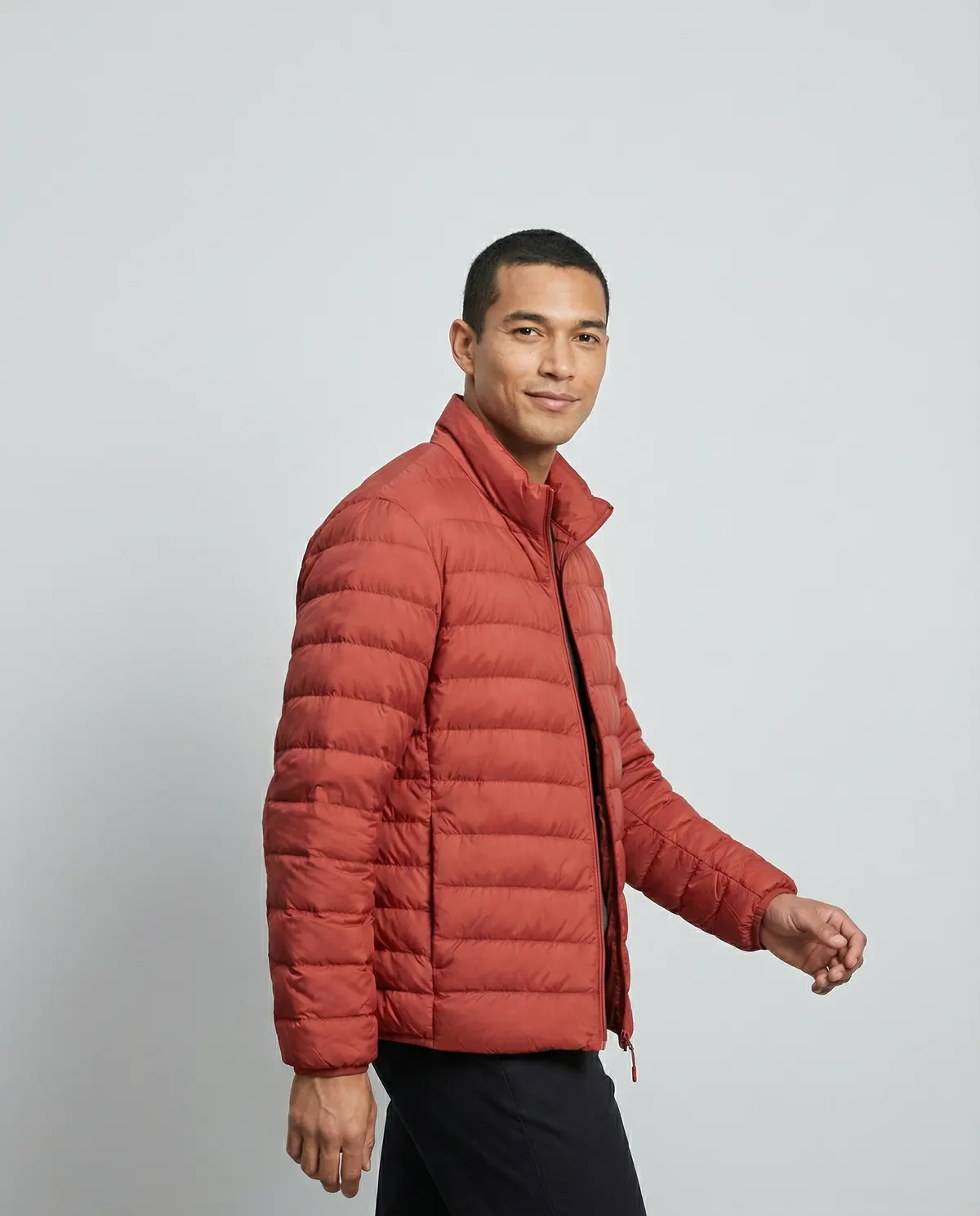
A feed lives or dies on consistency and volume. One great photo does nothing for a channel that needs new content every few days. This playbook covers how brands are using AI-generated lifestyle photos to keep a feed coherent, keep the content calendar full, and keep testing which visual actually earns the scroll-stopping first second.
Feed consistency comes from the system, not the photo
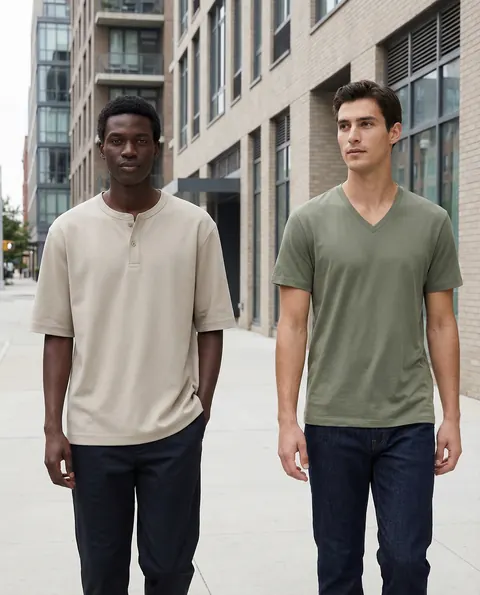
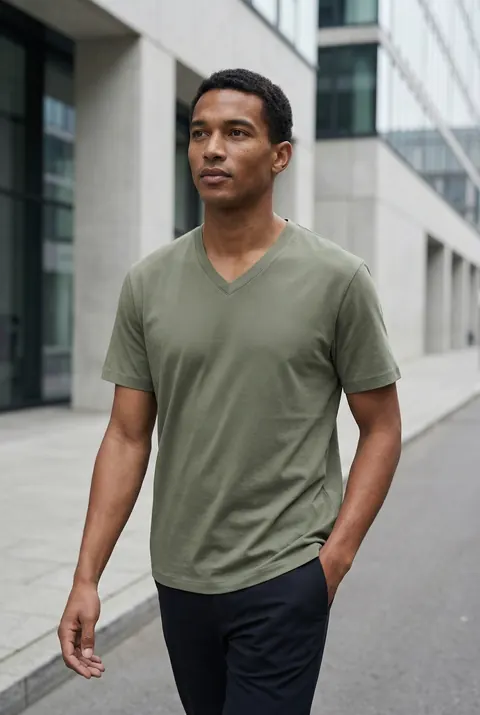
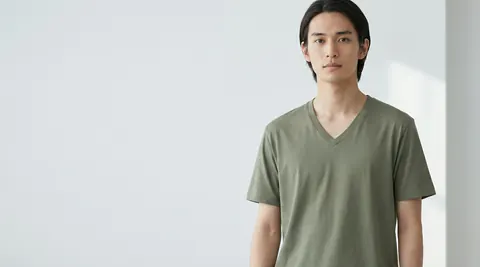
A feed that looks like a brand — rather than a pile of unrelated posts — comes from a shared palette, a consistent model or scene style, and a repeatable framing approach across every post. That consistency used to require a single photographer working from a single shot list. With AI production, the same discipline applies to a prompt library and a locked visual standard: same lighting logic, same color grade, same model identity, applied across dozens of scenes instead of one shoot day.
The advantage over traditional production is that this consistency now scales with content volume instead of fighting against it. A studio day produces a fixed number of usable frames. An AI pipeline built against a locked visual standard can produce new frames on demand, at the same consistency level, whenever the calendar needs one.
This matters because algorithmic feeds reward accounts that post often and reward viewers who recognize a brand within the first half-second of a scroll. A locked visual standard is what makes that half-second recognition possible — the same warm grade, the same casting, the same framing logic showing up whether the post went out on a Tuesday or a Saturday, whether it was planned two months out or produced same-day for a trending moment.
Keeping that standard alive as more people touch the content calendar is its own discipline. A short written style guide — three or four reference images, a named color grade, a note on preferred framing distance — keeps every new scene on-model even as the volume of content and the number of people briefing it both grow.
Producing weekly content drops
Social feeds reward frequency, and frequency is where physical production usually breaks down first — most brands simply can't book a new shoot every week. AI lifestyle photography closes that gap by turning content production into an ongoing pipeline rather than a quarterly event.
A workable weekly cadence usually looks like this: one hero lifestyle image for the week's main post, three to four supporting variations for stories and secondary posts, and one or two format-specific crops for whatever placement is underperforming that week. Because the scene and model are already established in the brand's library, this full set can be produced well within a week's lead time, leaving room for actual creative iteration instead of production logistics eating the whole cycle.
The other benefit of a weekly cadence is that it turns the content calendar into a feedback loop instead of a one-way schedule. When a post underperforms, the next week's brief can respond directly — a different scene, a different framing, a different product focus — instead of waiting for the next quarterly shoot to test a change. Brands running this cadence for a full quarter typically end up with a much sharper sense of what their specific audience responds to than brands still working off four shoots a year.
The format matrix
Every platform placement has a different ideal aspect ratio, and cropping one master image down to fit all of them is why so much brand content looks awkwardly framed. Generating natively for each placement solves this at the source.
| Placement | Aspect Ratio | Use Case |
|---|---|---|
| Feed post | 1:1 or 4:5 | Main grid content, carousel slides |
| Stories | 9:16 | Full-bleed vertical, text and sticker overlay space built in |
| Reels cover | 9:16 | Thumb-stopping still frame, legible at small size |
| Paid social ad | 1:1, 4:5, 9:16 | Platform-specific creative, tested per placement |
Building the matrix into the brief from the start — rather than treating extra formats as an afterthought — is what makes a lifestyle set actually social-ready rather than social-adjacent.
UGC-style versus polished
Not every post should look like a campaign. Feeds that mix in rougher, UGC-style frames alongside polished hero shots tend to feel more authentic and often perform better on engagement, because the rougher frame reads as a real moment rather than an ad. AI production can deliver both registers from the same brief — a highly finished hero shot for the campaign push, and a looser, handheld-feeling variant for the everyday post — without needing two separate shoots or two separate budgets.
The trick is briefing the difference deliberately. A UGC-style frame needs slightly imperfect framing, natural rather than dramatic lighting, and a candid pose — specified as clearly as the polished version's studio-grade lighting and composed framing. Treat it as its own style guide entry, not a lower-effort version of the main shoot.
Most social calendars end up running a rough three-to-one mix, favoring UGC-style content for everyday feed posts and reserving the fully polished register for launches, seasonal campaigns and paid placements. That ratio isn't fixed — a beauty brand's audience may respond to more polish than a home goods brand's does — but starting from a documented ratio, rather than deciding case by case, keeps the feed from swinging between registers in a way that reads as inconsistent rather than intentional.
Testing hooks with visual variants
The first frame a viewer sees decides whether they stop scrolling, which makes the opening image or thumbnail the highest-leverage creative decision in any social post. Because AI production can generate several visual variants of the same scene cheaply — a different pose, a different crop, a different color mood — testing hooks becomes a normal part of the content process instead of a separate, expensive production exercise.
A simple test structure works well: hold the product and the core scene constant, then vary one element per test — the model's expression, the framing distance, or the background color — and let performance data pick the winner. Feed that winner back into the scene library so future content starts from what already worked rather than guessing again from scratch.
Treat every post as a small experiment rather than a finished statement, and the scene library compounds in a second way beyond production speed: it becomes a record of what actually earns attention from your specific audience, not a general assumption borrowed from someone else's feed. Over a few months, that record becomes more valuable than any individual photo it produced.
None of this replaces creative judgment — a strong art director still decides which variant is worth testing and which result actually explains the win. What changes is the cost of finding out. Testing five hooks used to mean five separate productions. Now it means five briefs against one established scene, reviewed and shipped inside a single week.