AI Photoshoot for Fashion Brands: What's Included
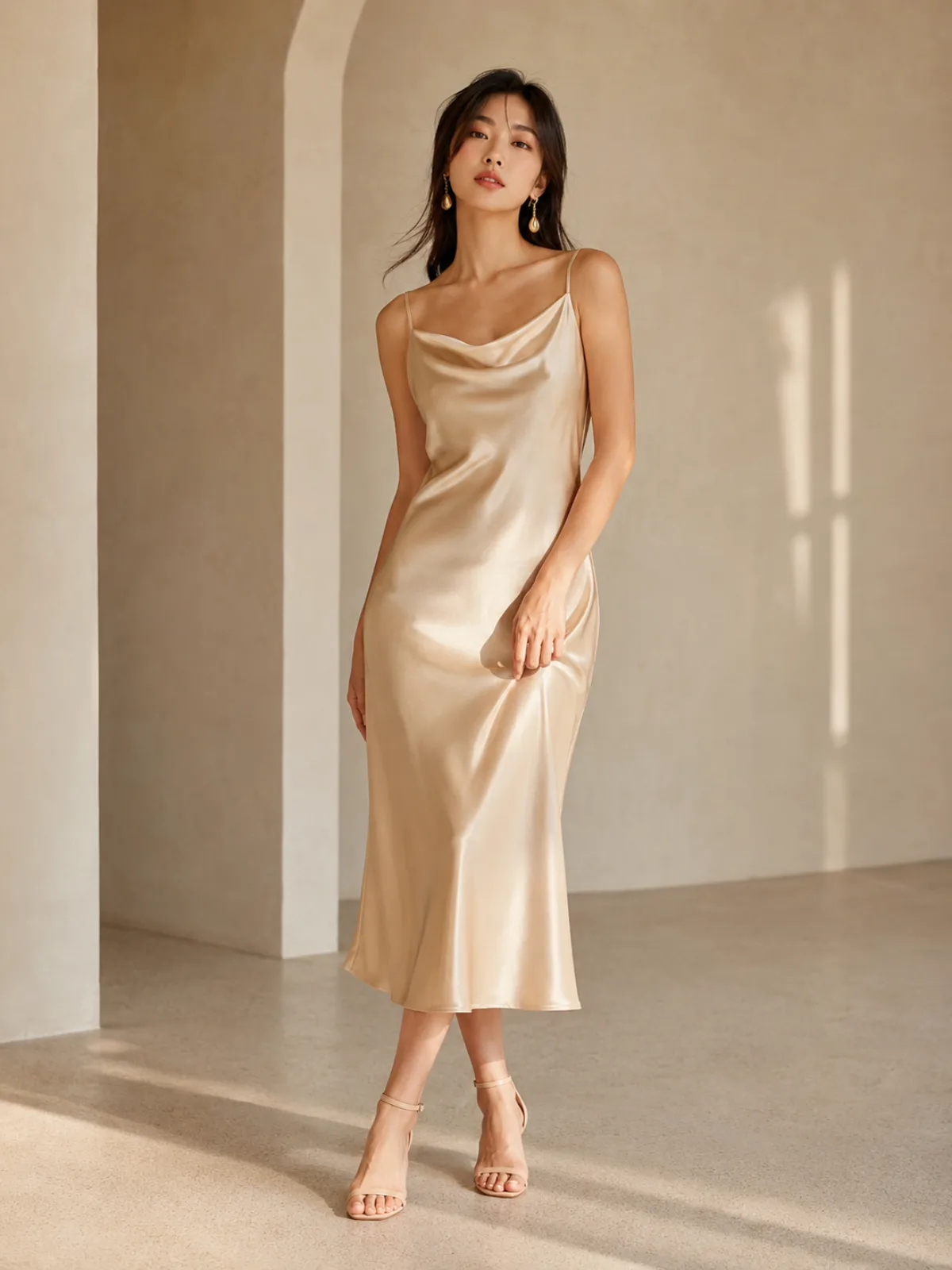
A done-for-you AI photoshoot for fashion brands replaces the studio day, the photographer, the model booking and the retouching pass with a single production pipeline that takes real garment references in and delivers campaign-ready, on-model imagery in days rather than weeks — at a fraction of the cost of a comparable traditional shoot, with full commercial rights included on delivery.
What a done-for-you AI photoshoot actually includes
A fully managed AI photoshoot is not a single generated image — it is an end-to-end service that mirrors every stage of a traditional shoot, just executed differently. It starts with a creative brief covering brand direction, model casting parameters, styling and setting. The brand supplies garment references — flat-lays, ghost-mannequin shots or simple on-body photos of each piece. The production team locks a visual system: model look, pose direction, lighting style and background treatment, so every piece in the collection is shot consistently. Generation, fidelity review and revisions follow, and the final deliverable arrives as a finished, rights-cleared image set ready to publish.
What differs from a traditional shoot is everything upstream of that final image: no studio booking, no model agency negotiation, no travel, no weather risk, and no single point of failure if one day of shooting goes wrong. The creative decisions still happen — they just happen once, at the brief stage, and then apply consistently across the whole collection.
Who this fits
Direct-to-consumer fashion brands use it to keep pace with drop schedules that outrun what a quarterly studio day can support. Enterprise fashion houses use it to produce market-specific campaign variants — different model casting, different settings — from one core creative concept, without rebooking a shoot for each market. Creative agencies use it as a production partner for client work that needs a full campaign-grade image set on a timeline a traditional shoot can't match.
The common thread across all three is scale and speed pressure that a physical shoot structurally cannot absorb — more SKUs, more markets, more frequent drops, or a shorter runway between concept approval and go-live.
The deliverable stack
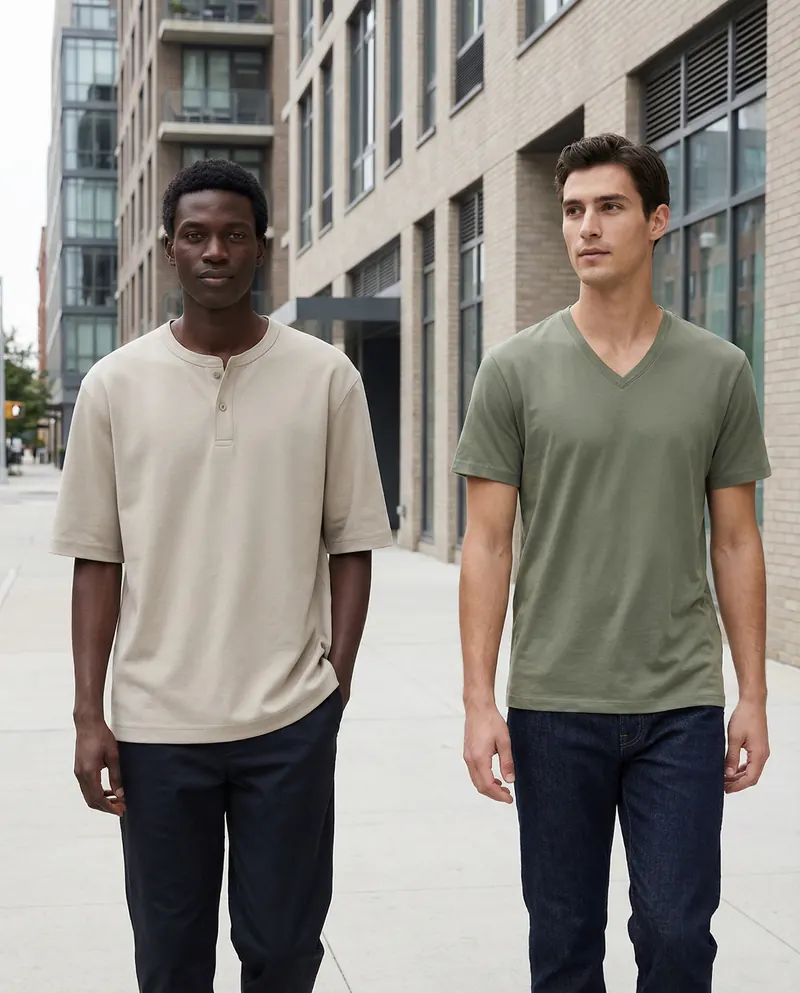
A complete fashion photoshoot delivery typically covers several distinct image types, matched to how the brand will use them.
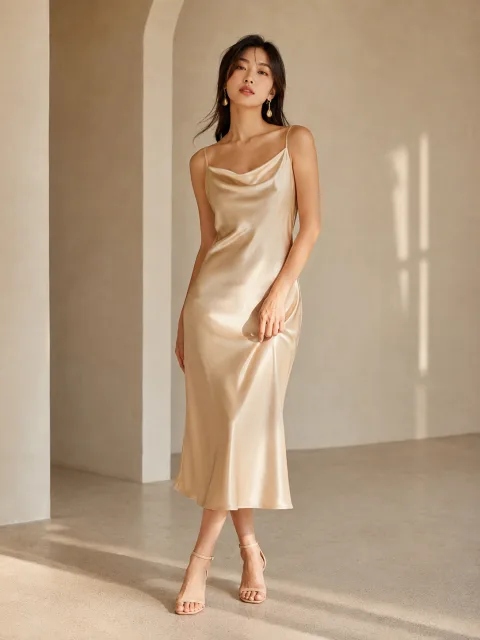
Studio hero shots
Clean, front-facing on-model images for PDPs and primary catalog listings.
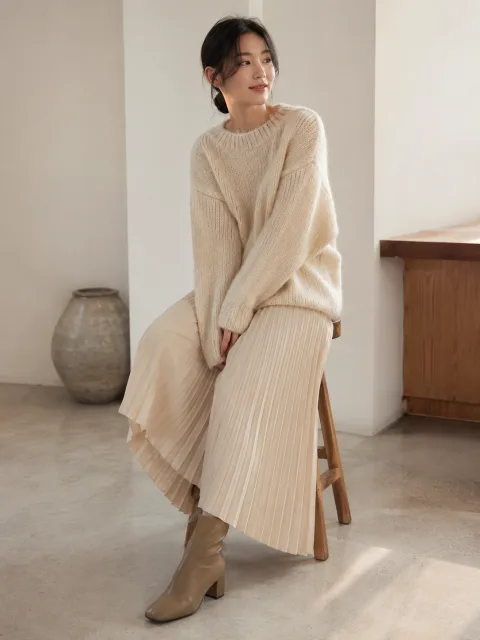
Editorial campaign imagery
Styled, art-directed frames for homepage banners, lookbooks and paid social creative.
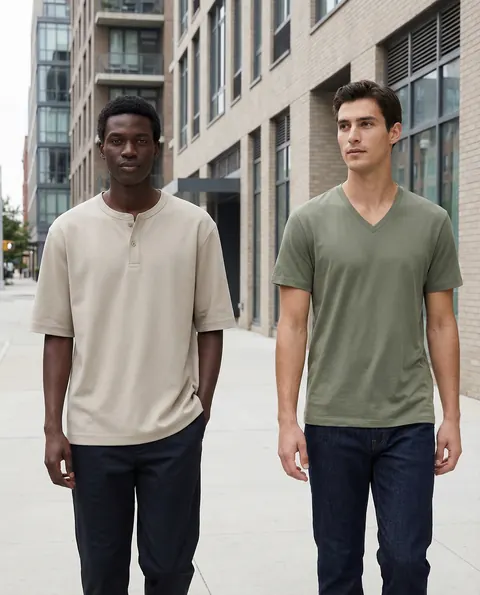
Lifestyle and in-context shots
Models styled in real-world settings that reflect the brand's world, giving campaign imagery a sense of place.
Social-ready crops
Frames pre-cropped for the aspect ratios social platforms and paid ad placements expect, so nothing needs re-cropping after delivery.
A brand can request any subset of this stack depending on the campaign, but requesting the full set from one locked visual system, in one production pass, is what keeps the whole delivery looking like a single coherent shoot.
The quality bar
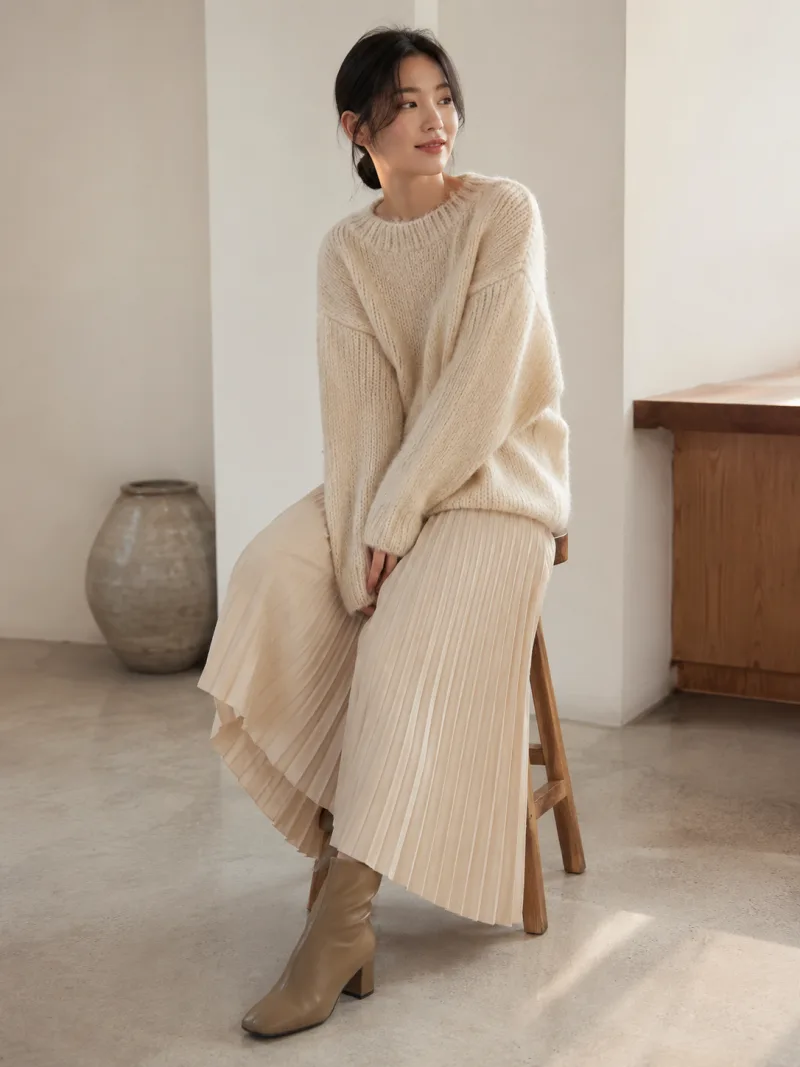
For fashion, the same rule that governs product photography applies with one addition: garment fidelity and model believability both matter. The garment itself — color, drape, texture, print placement — must match the reference exactly, because a shopper who receives a piece that looks different from the campaign image will return it. Separately, the model and setting need to read as a competent photograph, with nothing in the pose, lighting or proportions that pulls a viewer's attention away from the clothing.
A capable provider treats these as two distinct checks before delivery: a garment-fidelity comparison against the original reference, and a general photographic quality review of the finished frame. Skipping either one is where AI fashion imagery goes wrong — either the garment drifts from the reference, or the image looks polished but the fabric behaves in a way no real garment would.
Cost logic versus traditional production
| Factor | Traditional shoot | Done-for-you AI photoshoot |
|---|---|---|
| Studio and crew | Booked per session, fixed cost | Not required |
| Model casting | Agency booking per shoot | Selected once, applied across the set |
| Turnaround | Weeks, including post-production | Typically around 48 hours |
| Adding a market or variant | New session required | Generated from the same locked system |
| Usage rights | Often licensed, sometimes time-limited | Full commercial rights on delivery |
The cost gap is smallest for a single hero shot of one look and widens quickly as a collection grows — more looks, more markets, more campaign variants, each of which would need its own booking in a traditional model. A done-for-you AI photoshoot absorbs that growth without a proportional cost increase, because the production system, not a physical crew, is what scales.
How to brief a done-for-you AI photoshoot
A strong brief covers five things: the garment references themselves (clean, well-lit photos of every piece), the model direction (age range, styling, general look), the setting or backdrop for each shot type, the deliverable list (which of the stack above is actually needed), and the timeline. The more precisely these are defined upfront, the fewer revision rounds the batch needs later, because most rework comes from creative direction that was left implicit and had to be corrected after the first delivery rather than agreed before production started.
It's also worth naming any pieces in the collection that need special handling — heavily embellished garments, fine jewelry, or anything where texture accuracy at close range is the deciding factor for the shot. Flagging those upfront lets the rest of the collection move through production at full speed while those pieces get the closer review they need.
For the broader production workflow behind fashion imagery specifically, see our AI fashion photoshoot service page, and for how ecommerce-focused product imagery fits alongside campaign work, see our AI ecommerce photography page. Brands weighing AI photoshoots against a traditional reshoot may also find our guide to AI product images useful for the underlying fidelity and quality checks that apply to both.