AI Product Photography for Fashion Brands: The 2026 Playbook
AI product photography is a higher-volume search term than AI fashion photography because it includes non-fashion categories — electronics, beauty, home, food. In fashion specifically, AI product photography has a narrower meaning: ghost-mannequin flat-lays, on-model PDP shots, lifestyle product imagery, all generated by AI. This playbook covers how fashion brands are doing it in 2026.
What AI product photography means for fashion
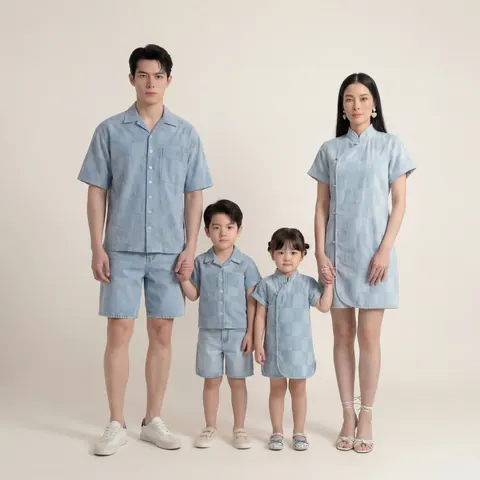
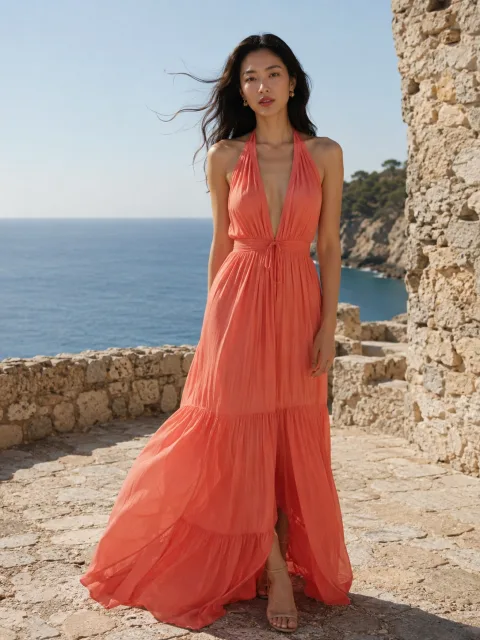
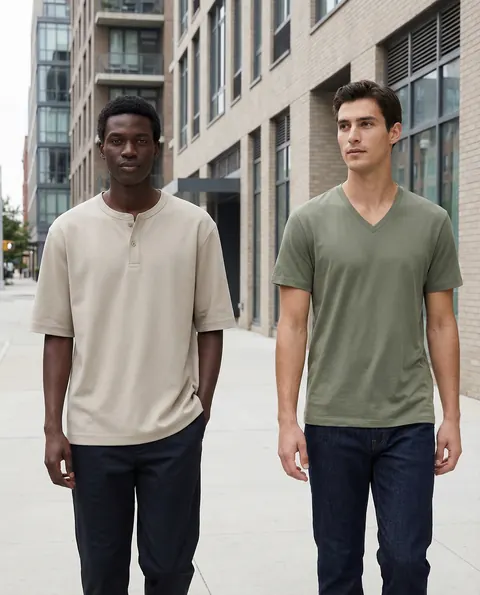
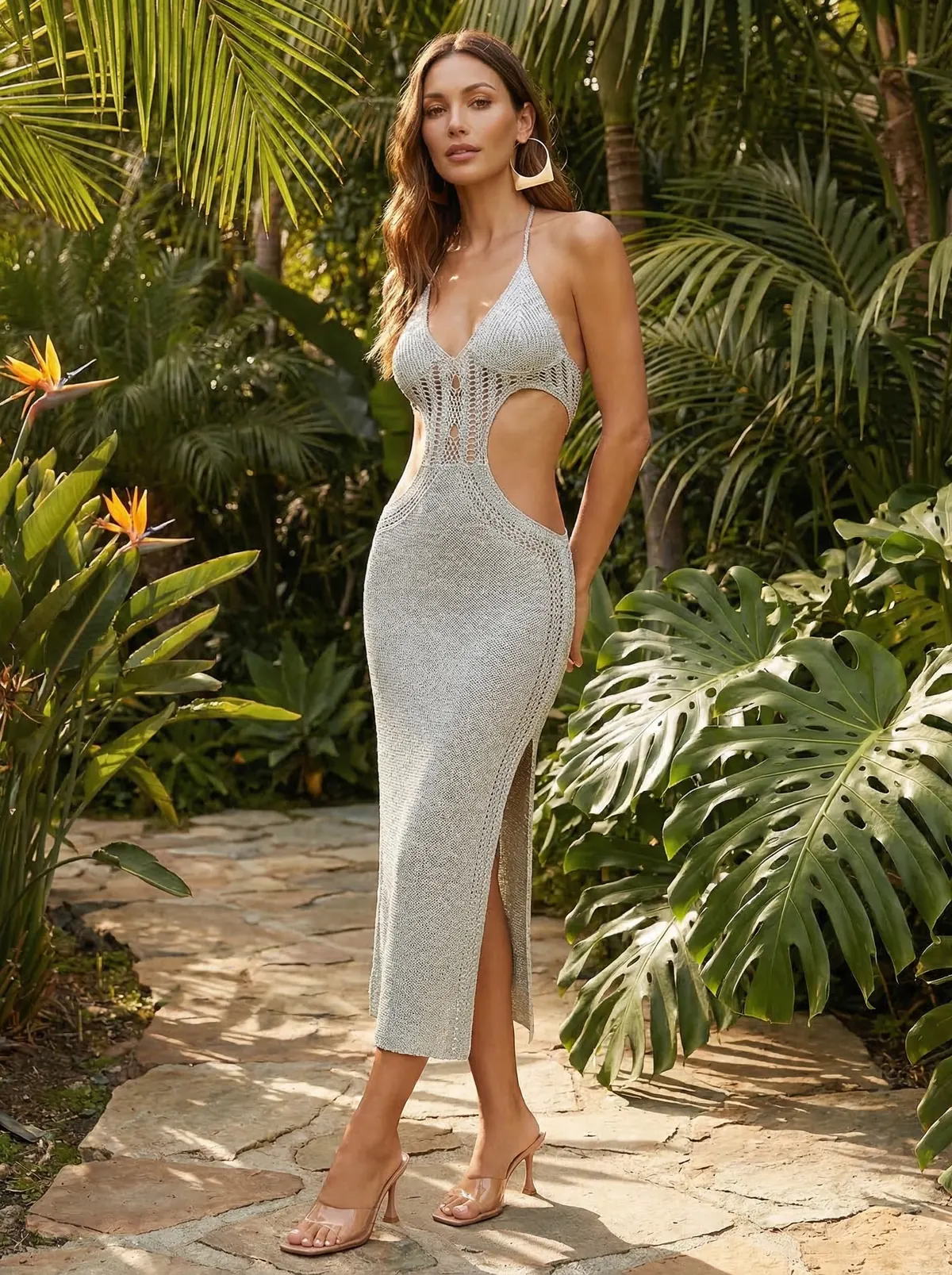
Four categories. Ghost mannequin: garment on an invisible form, hero PDP image. On-model: garment worn by an AI model, campaign and PDP. Lifestyle: garment in context (street, cafe, studio environment), social and ad. Flat-lay: garment styled on a surface, often cross-sold with other SKUs.
A mature AI product photography pipeline covers all four. Brands often start with ghost mannequin and on-model and add lifestyle and flat-lay once the first two are running smoothly.
The production workflow
Input: clean garment photograph (flat-lay or existing on-model) or a tech-pack render. Brief: creative direction, model, location, lighting, output requirements. Generation: AI produces multiple variations. QA: human review catches errors. Retouching: final polish on every image. Delivery: high-resolution files via shared drive.
At our studio the entire workflow runs in 48 hours for single shoots, 5 working days for full 40-SKU collection shoots.
Cost benchmarks for 2026
Traditional studio product photography: $80-$200 per final image fully loaded (including retouching and art direction).
Self-serve AI tools: $5-$20 per image, but hidden costs — your in-house time doing QA, corrections, art direction — add another $30-$60 per image in fully loaded terms.
AI fashion agency (our scale): priced per engagement, typically in the same ballpark as self-serve when you add the hidden costs — but with dramatically higher quality and zero overhead.
Quality bar
The bar at any serious AI product photography operation in 2026 is: if a human can tell the image is AI, it does not ship. Period. Brands that tolerate tell-tale AI imagery in their commercial output are hurting their brand equity.
At AI Studio every image clears a human QA pass before delivery. Common AI failure modes — waxy skin, wrong hand count, fabric seam glitches, logo distortion — all get caught and reshot before shipping.
Integrating AI product photography into your content stack
Start with one use case. Most brands start with PDP hero shots, which are the highest-volume, highest-leverage application. Nail that workflow over 30-60 days. Then expand to lookbook, then social, then lifestyle. Do not try to move everything at once.