Best AI Fashion Agencies in 2026: How They Actually Differ
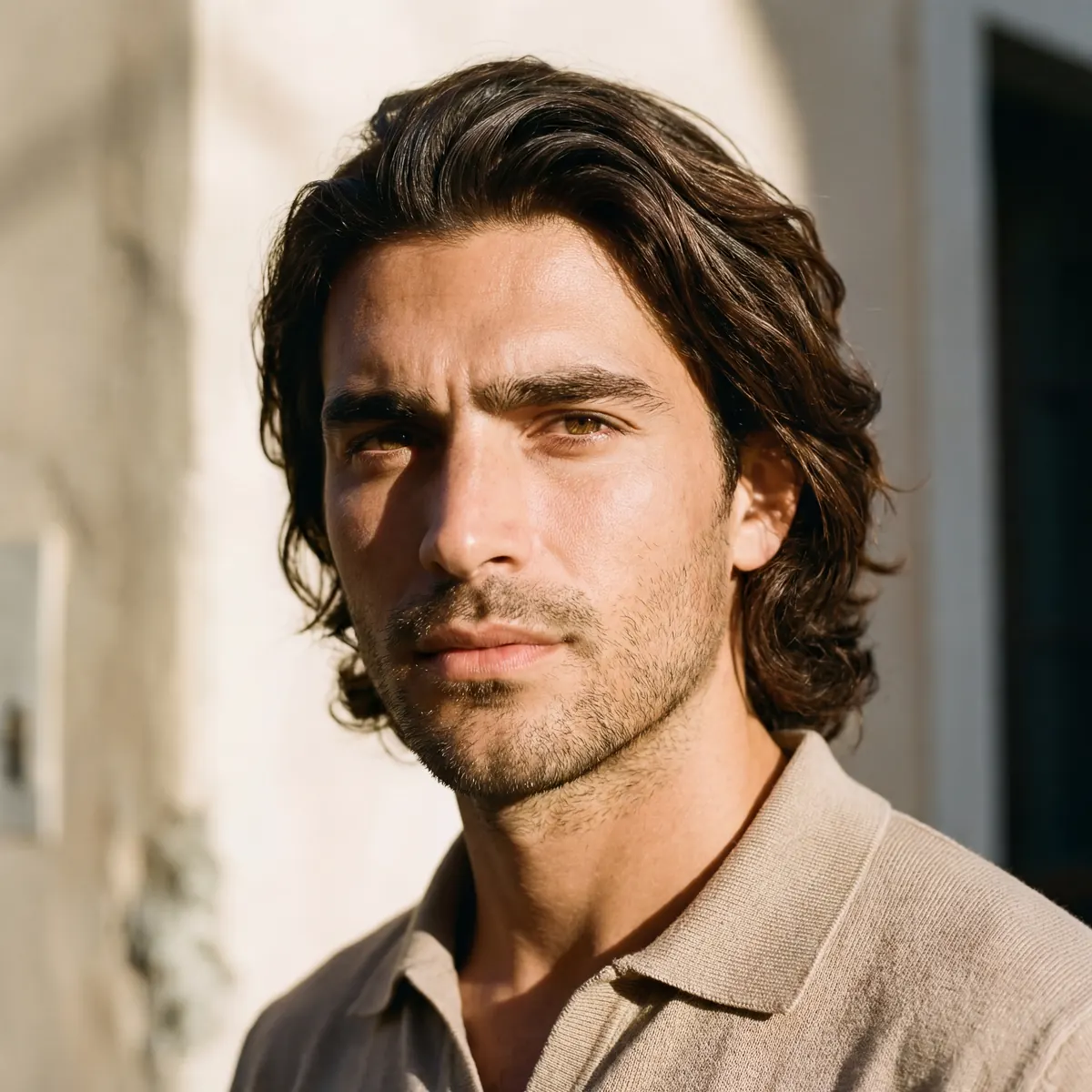
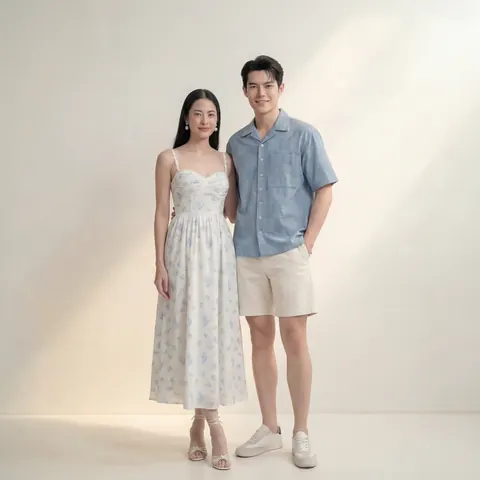
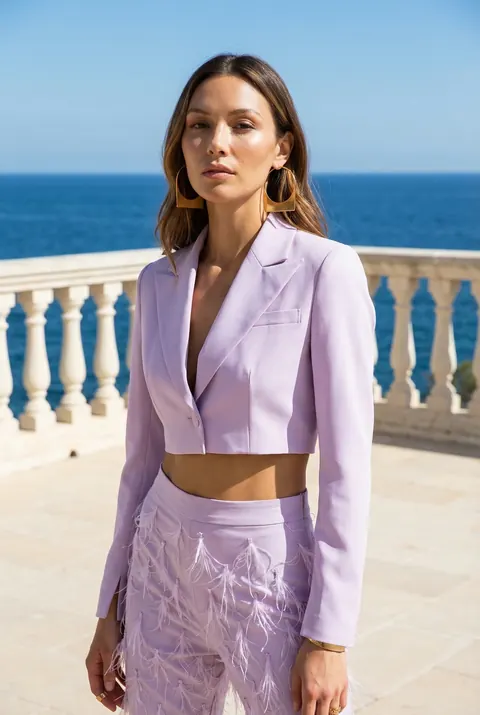
The AI fashion agency category emerged with a handful of serious players by 2025 and expanded to dozens by 2026. Not all are alike. Some are luxury-specialist. Some are enterprise-catalog specialists. Some are APAC-native. Some are US-native DTC shops. Here is how to read the market.
What separates serious agencies
Named creative director. Verifiable fashion client roster. Proprietary model library. Multi-engine production pipeline. Human QA discipline. Unlimited revisions as standard. 48-hour turnaround as standard. Clear commercial rights terms.
Specializations to look for
Luxury specialists: strict QA, named creative director from traditional luxury background, model governance capabilities. Enterprise specialists: API integrations, catalog-scale retainers, SLA commitments. DTC specialists: Shopify integrations, speed-first workflows, social-native output formats. Regional specialists: APAC expertise (cheongsam, kebaya, ceremonial), EU expertise (heritage, editorial), US expertise (scale DTC).
AI Studio — APAC-native, global delivery
AI Studio Singapore sits in APAC with global delivery. Strengths: cultural range (heritage wear, ceremonial collections, resort, luxury), multi-engine pipeline, senior creative direction, 48-hour turnaround. Common engagements: DTC resort and heritage brands, APAC enterprise retail, luxury localization for Asia markets.
How to evaluate
Build a shortlist of three to five agencies. Send each the same brief and product. Compare outputs, turnaround, responsiveness. The pitch deck tells you how they sell; the rendered output tells you how they work.
Who should not be on your shortlist
Shops with no named creative lead. Shops that refuse live demos. Shops whose 'portfolio' is generic stock AI imagery. Shops without fashion case studies. These are tool resellers, not agencies.