AI Corporate Headshots: A Complete Guide
A good headshot used to mean booking a photographer, blocking half a day, and hoping the whole team could make it. AI corporate headshots remove the scheduling problem entirely — but not every result that calls itself "AI headshots" clears a professional bar. Here is what separates a headshot a company can actually use from one that quietly signals cut corners.
What an AI corporate headshot actually is
An AI corporate headshot is a professional portrait generated from a small set of reference photos rather than captured in a single studio session. The person never sits for a formal photograph. Instead, they submit a handful of casual photos — often just phone selfies — and a model trained to preserve their likeness produces a portrait in a specified background, lighting setup and crop.
The distinction that matters is between a tool and a directed process. A self-serve app hands the user a preset library of backgrounds and poses and lets the algorithm's first output stand. A directed process — the kind an agency runs — locks a style frame first, generates against it, and has a human check every image before it ships. Both are "AI headshots." Only one is usable at scale for a company that cares how it looks.
This matters more for a company rollout than for a single individual buying a headshot for their own LinkedIn profile. One person can afford to regenerate a bad result a dozen times until something looks right. A company processing two hundred employees cannot review every output that closely, which is exactly why the directed, human-checked version of this process exists — it front-loads the quality control so individual employees don't have to become their own art directors.
Formats and delivery employees actually need
A useful headshot set is not just a single square crop. Most rollouts deliver at minimum a square crop for LinkedIn and internal directories, a tighter portrait crop for the website team page, and a high-resolution version suitable for print — press materials, conference badges, annual reports. Delivering all three from the same generated portrait, rather than making employees crop their own images inconsistently, is part of what keeps a team page looking unified rather than assembled by twenty different people with twenty different instincts for framing.
The quality bar: what makes one pass as professional
There are a handful of concrete markers that separate a headshot a client will accept from one that gets rejected on sight:
- Likeness accuracy. The person should be immediately recognizable to a colleague — not a smoothed-over, generic version of their face.
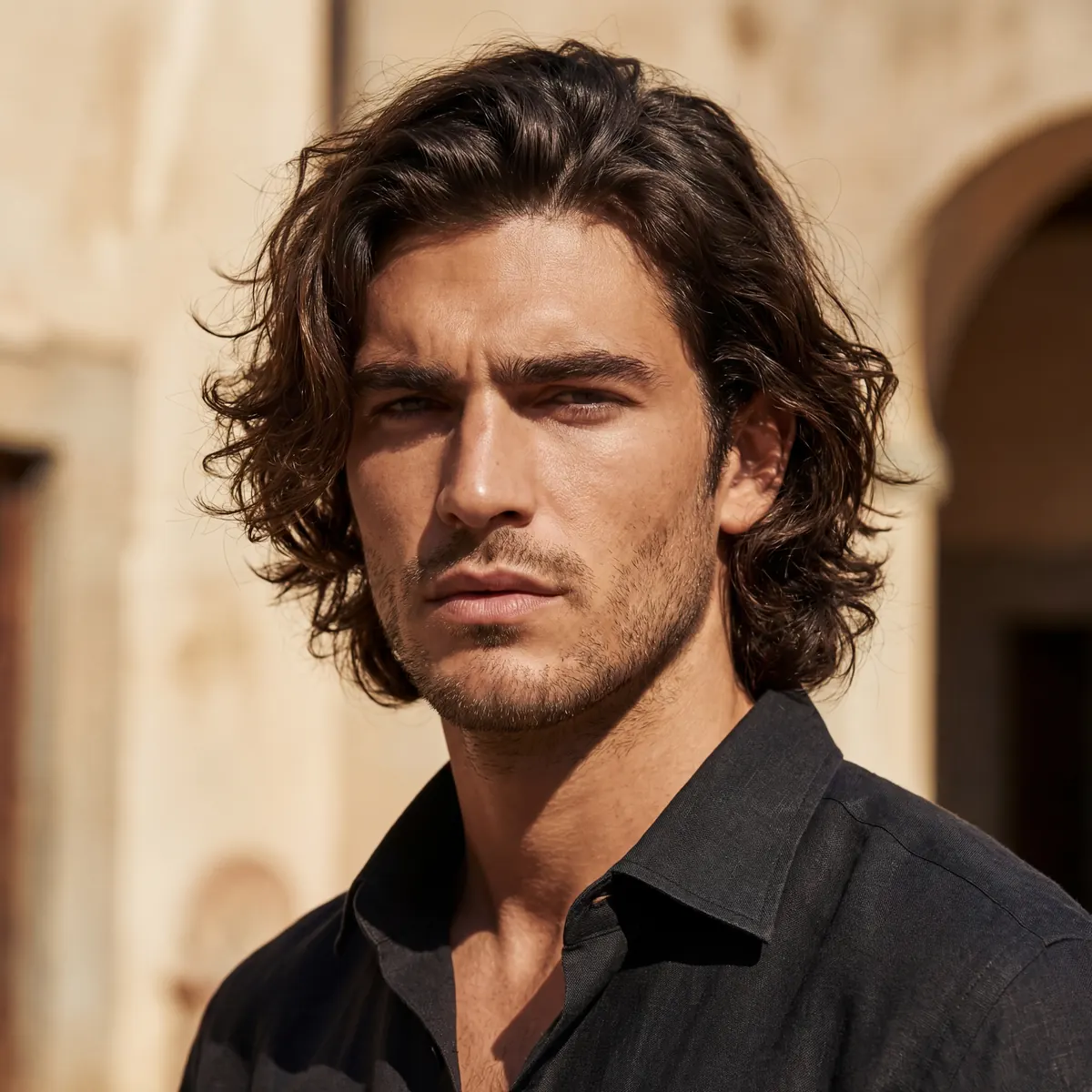
- Natural skin texture. Early AI portraits over-smoothed skin into a plastic sheen. A passing headshot keeps visible pores, natural asymmetry and realistic light falloff.
- Correct hands, ears and hairline. These are the details generative models get wrong most often. A reviewer should check them on every image before delivery.
- Consistent, believable lighting. Shadows should fall in one direction and match the stated light source — a window, a softbox, an overcast sky — not several conflicting sources at once.
- Wardrobe and framing that match the brief. If the company style calls for a blazer or a specific crop, every employee's portrait should follow it without visible artifacts at the collar or shoulder line.
If a colleague can point at the image and say "that's clearly AI," it has failed the bar, regardless of how convenient it was to produce.
How companies roll out AI headshots team-wide
A team-wide rollout works best in three stages. First, a style frame is agreed with one or two people — usually someone from HR or brand — covering background, lighting, crop and wardrobe direction. Second, that approved style is applied to a small pilot group so any edge cases (glasses, facial hair, hijabs, unusual lighting in reference photos) get resolved before the full company goes through. Third, the rest of the team submits reference photos on their own schedule via a shared upload link, and portraits come back in batches rather than all at once.
This staged approach also solves the new-hire problem that traditional shoot days never could. Once the style is locked, a person who joins the company eight months after the initial rollout submits their own reference photos and gets a portrait that matches everyone else's, without the company waiting for — or paying for — another full shoot day.
Consent and policy considerations
Because the input is a set of a person's own casual photos, companies rolling this out at scale should put a short policy in place before collection starts. At minimum that policy should cover: what the reference photos will be used for, who can access them, how long they are retained, and how an employee requests deletion. A reasonable standard is that reference photos are used only to generate that individual's own portraits, are never combined with anyone else's likeness, and are deleted on request with written confirmation. Employees should also be told plainly that the final image is AI-generated, even if it looks indistinguishable from a photograph — this matters for internal trust and, in some jurisdictions, for compliance.
Cost vs booking a photographer for a full team
A traditional headshot day for a mid-size company — one photographer, a rented studio or on-site setup, half a day — typically runs a flat day rate plus per-person retouching, and only covers whoever is physically present. Remote staff, people on leave, and anyone hired afterward are excluded until the next shoot is booked, months later.
An AI corporate headshot rollout charges per person rather than per day, scales to however many employees actually need one, and extends indefinitely to new hires without rebooking. For a fully distributed team, or a company that hires continuously, the AI approach is usually both cheaper per person at any meaningful headcount and faster to complete, because nobody is waiting on a shared calendar slot.
The gap widens further once travel is factored in. A company with offices in three cities either flies a photographer between them or books three separate shoots with three different photographers, which is exactly how team pages end up looking inconsistent — different lighting styles, different retouching habits, different backdrops. An AI rollout applies one locked style across every office, so the per-office cost of "matching everyone else" disappears entirely.
Red flags in cheap generators
Not every AI headshot service is worth using for a company roster. Watch for these signs before committing a whole team's photos to one:
- No human review step. If the first generated image is what ships, expect visible artifacts on a meaningful share of a large team.
- No style-lock across employees. If each person's portrait is generated independently with no shared reference style, the final "team page" will look mismatched — different backgrounds, different lighting, different crops.
- Vague data handling. If a service can't clearly explain what happens to reference photos after generation, or offers no deletion process, that's a real risk for a company handling employee likeness data.
- Credit-based revisions. Tools that charge extra credits for every regeneration push companies toward accepting a mediocre result rather than fixing it.
A rollout done properly should give a company a directory of headshots that all look like they came from the same photographer, on the same day, even though no two people were ever photographed together. For a closer look at the workflow behind a full rollout, see our AI corporate photoshoot page.