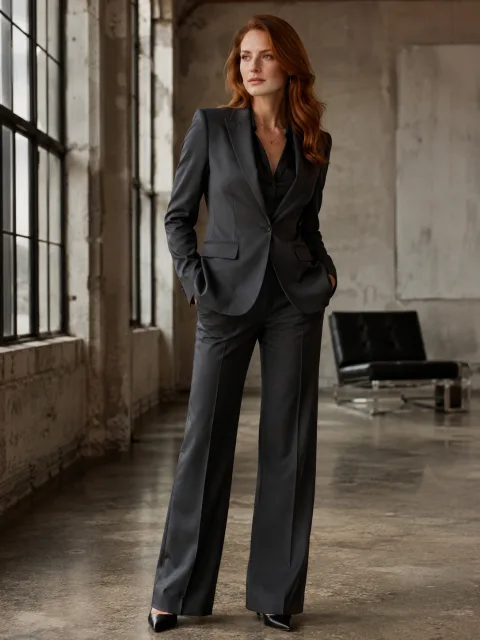
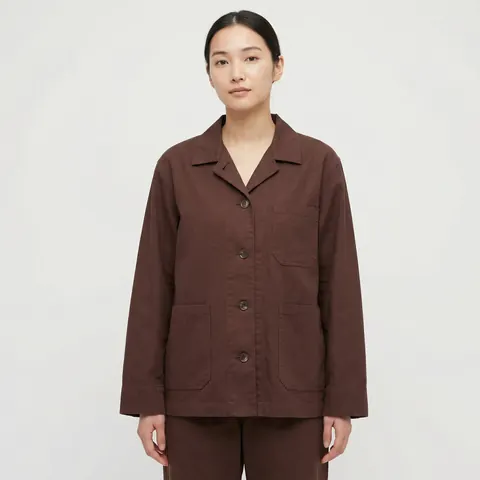
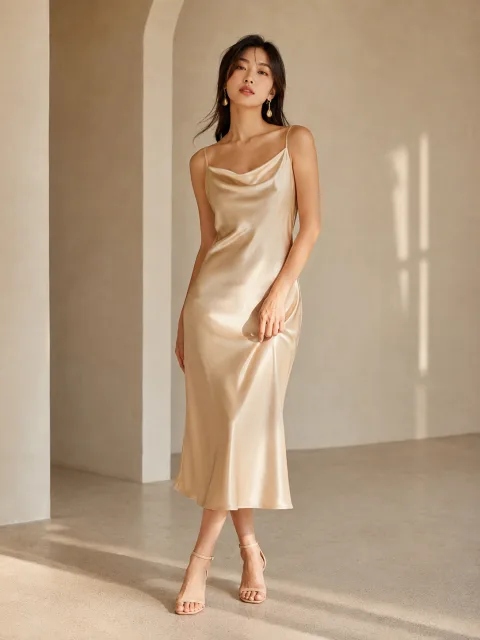
AI Fashion Photoshoot for Lookbooks: 40+ SKU Consistency in a Single Project
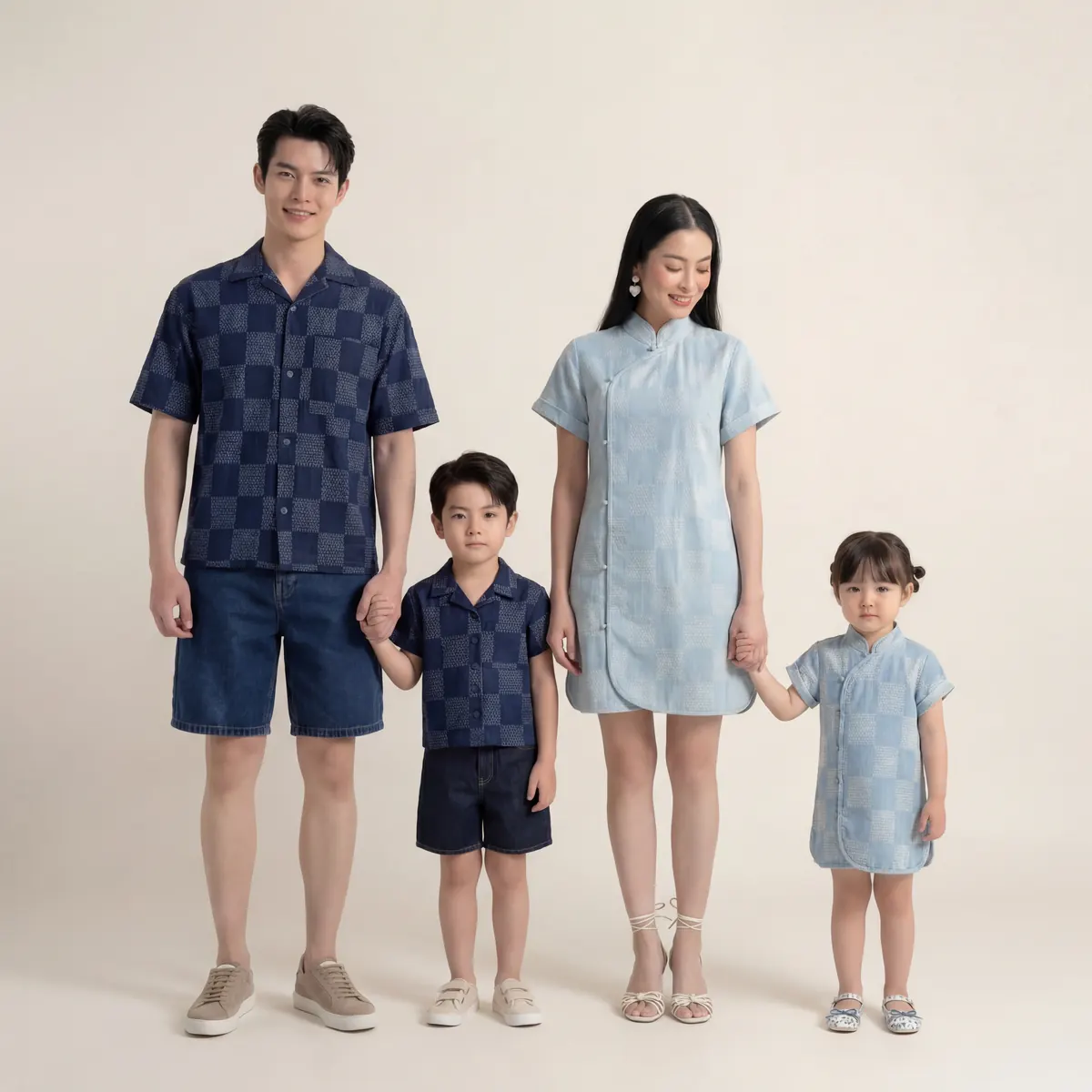
A lookbook lives or dies on cohesion. The styling, the model, the environment, the mood — all consistent across every page. Traditional lookbook photography enforces that cohesion by booking one model, one location, one stylist for a multi-day shoot. AI enforces the same cohesion by rendering every image from a single set of parameters. The result is often more consistent than the traditional shoot.
The cohesion problem in traditional lookbooks
Even with one model and one day, traditional lookbooks show visible variance. Lighting shifts as the day progresses. The model tires. The stylist runs out of time on shot 32 and compromises on shot 33. The final book has breaks in rhythm that the trained eye catches.
How AI delivers tighter cohesion
AI fashion photoshoots generate every look in the same conditions. Same model seed, same lighting setup, same environment, same styling approach. The result is editorial rhythm that is easier to maintain at scale.
Full-body plus crop pairs for every look
Modern lookbooks often pair a full-body shot with a tight crop for each look. AI produces these pairs natively — render a full, then re-render a crop from the same seed, preserving model and environment continuity. Shooting this pair traditionally is time-intensive; AI produces it instantly.
Seasonal localization of the same lookbook
A lookbook designed for EU audiences can be re-rendered for APAC audiences by shifting environment references — same model, same garment, same pose, new location. This is a standard AI workflow and an operational impossibility traditionally.
Case example: 48-SKU resort lookbook in 7 days
A resort wear brand ran a 48-SKU lookbook through AI with three looks per SKU (full, crop, lifestyle), consistent model across all 48 garments, two location variants (coastline, villa interior), and print-ready resolution. Traditional estimate: three weeks minimum. AI delivery: seven days, with full creative control and unlimited revisions.