On-Model AI Fashion Photoshoots: Why They Convert Better (And When They Do Not)
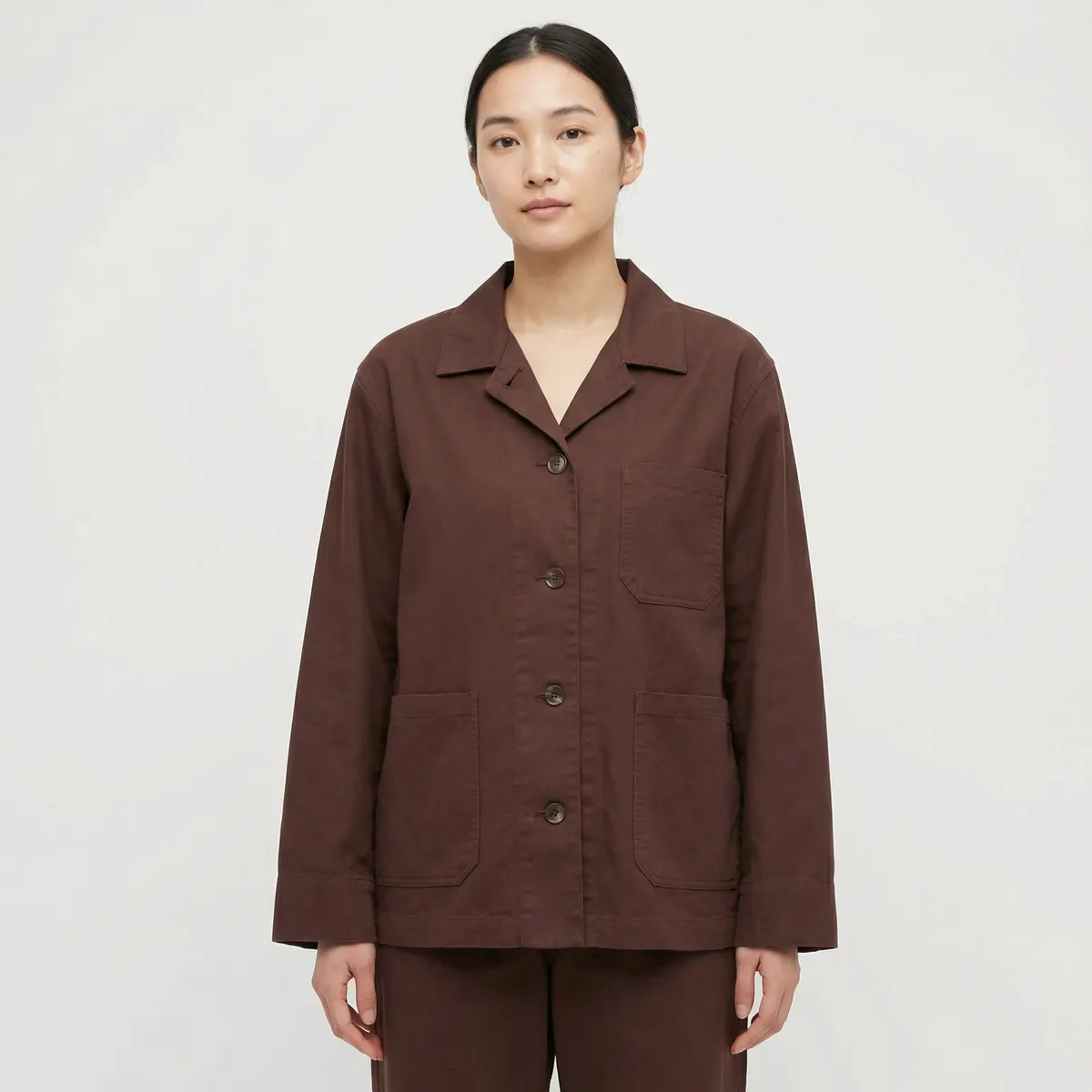
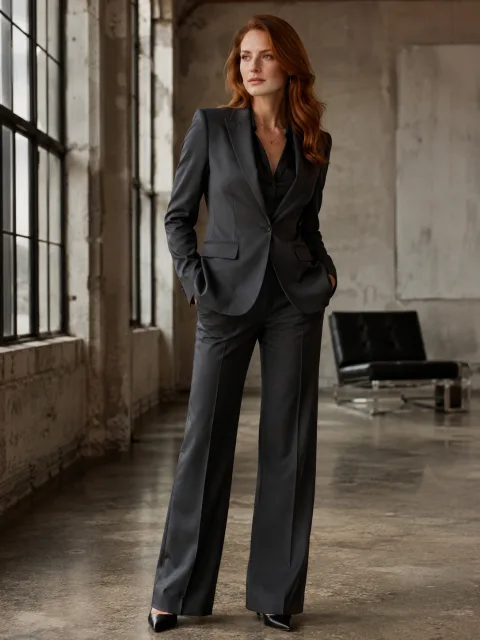
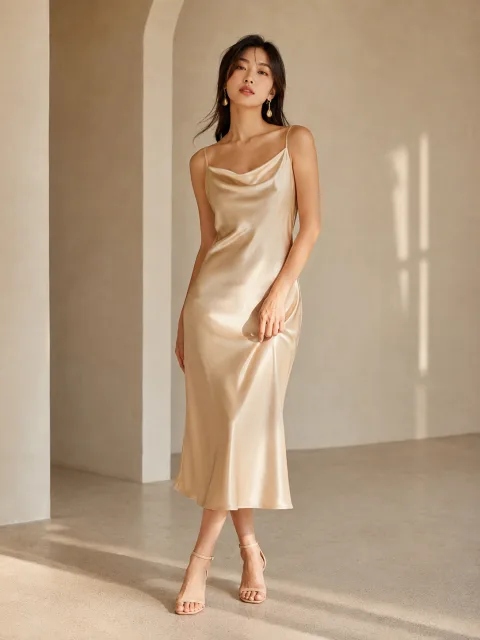
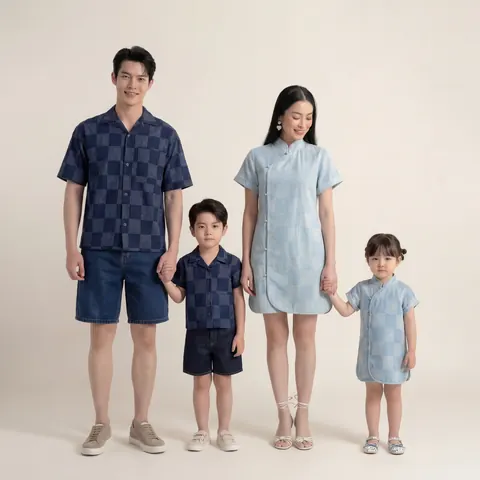
Shoppers buy fashion on feel. They need to imagine themselves in the garment. That is why on-model imagery outperforms flat-lay on conversion across virtually every fashion category. AI fashion photoshoots unlocked on-model imagery at a cost that lets every brand, at every stage, run on-model PDPs on every product. Here is what the data shows.
The conversion data on on-model imagery
Across aggregate fashion e-commerce data, PDPs with on-model imagery convert 20 to 50 percent better than flat-lay-only PDPs. The effect is strongest on ready-to-wear, weaker on accessories, and near-zero on certain hardware-like categories (belts, simple jewelry). For ready-to-wear, the math is not even close: invest in on-model.
Why AI unlocks on-model at scale
Traditional on-model photography was rationed to hero SKUs because of cost. The long tail of SKUs — the variants, the colorways, the experimental pieces — got flat-lay treatment. That long tail represented up to 70 percent of the catalog. AI lets every SKU in the catalog have on-model imagery at a cost the traditional workflow could not justify.
Model diversity at scale
On-model AI also unlocks model diversity per SKU — the same garment shown on multiple body types, ethnicities, ages. Shoppers find someone who looks like them, imagine themselves in the product, and convert at higher rates. This is operationally impossible with traditional photography and trivial with AI.
When flat-lay still wins
A few categories genuinely perform better flat-lay-first: jewelry, small accessories, highly technical products where the construction is the product. In these cases the garment itself is the hero and a model distracts. But even here, most brands benefit from mixing flat-lay primaries with on-model secondaries.
The trust factor
AI fashion photography now passes the 'is it real?' test for virtually all shoppers. Return rates do not increase when PDPs use AI-generated on-model imagery — they hold flat, and the upfront conversion lift is preserved. This used to be the worry that kept brands on traditional photography. In 2026, the worry is obsolete.