AI Fashion Photoshoot for Menswear: What Works, What Fails, and Why
Menswear is in some ways AI's easiest category and in others its hardest. Clean lines, minimal drape complexity, standard pose library — easy. Tailored structure, fabric behavior under natural motion, facial hair realism — harder. Here is the honest map.
Where AI wins in menswear
Clean studio PDPs. Standard suit and shirting renders. Casual polo and tee shots. Denim on model. Outerwear hero shots. These are now indistinguishable from studio work at a fraction of cost and time.
Where AI is still closing the gap
Natural motion shots (walking, full stride). Very structured tailoring where seam precision on shoulder and lapel is part of the product story. Facial hair consistency across a model in a campaign — still occasionally drifts. Serious watch or jewelry styling on the wrist — the AI sometimes over-smooths.
Suiting and formalwear
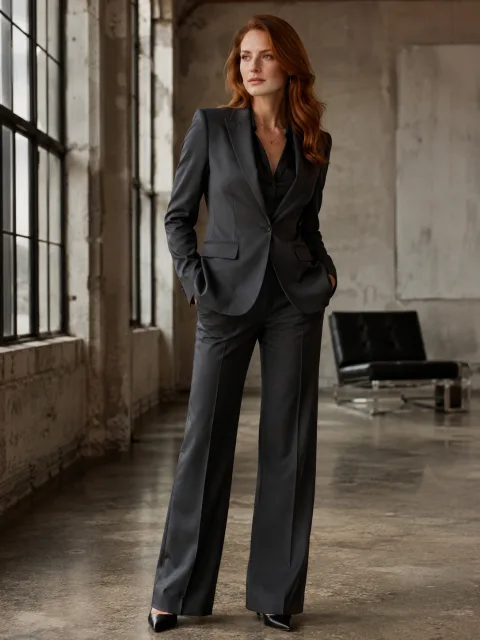
Formalwear has classically required real photography to sell the tailoring. In 2026, AI renders formalwear well enough for PDP and e-comm. The final 10 percent — the hero campaign image, the magazine-placement shot — still often comes from a camera. The other 90 percent comes from AI.
Streetwear and casualwear
Streetwear is AI-native. The category emphasizes fit, graphic, and colorway — all AI strengths. Streetwear brands were early adopters and most now run the majority of their content through AI.
The menswear model library
Top AI fashion agencies maintain menswear-specific model libraries — faces that read as lifestyle-right for menswear shoots, diverse across ethnicity and age. Using a menswear-tuned model library produces visibly better output than generic model generation.