AI Fashion Photoshoot for Plus-Size and Inclusive Sizing
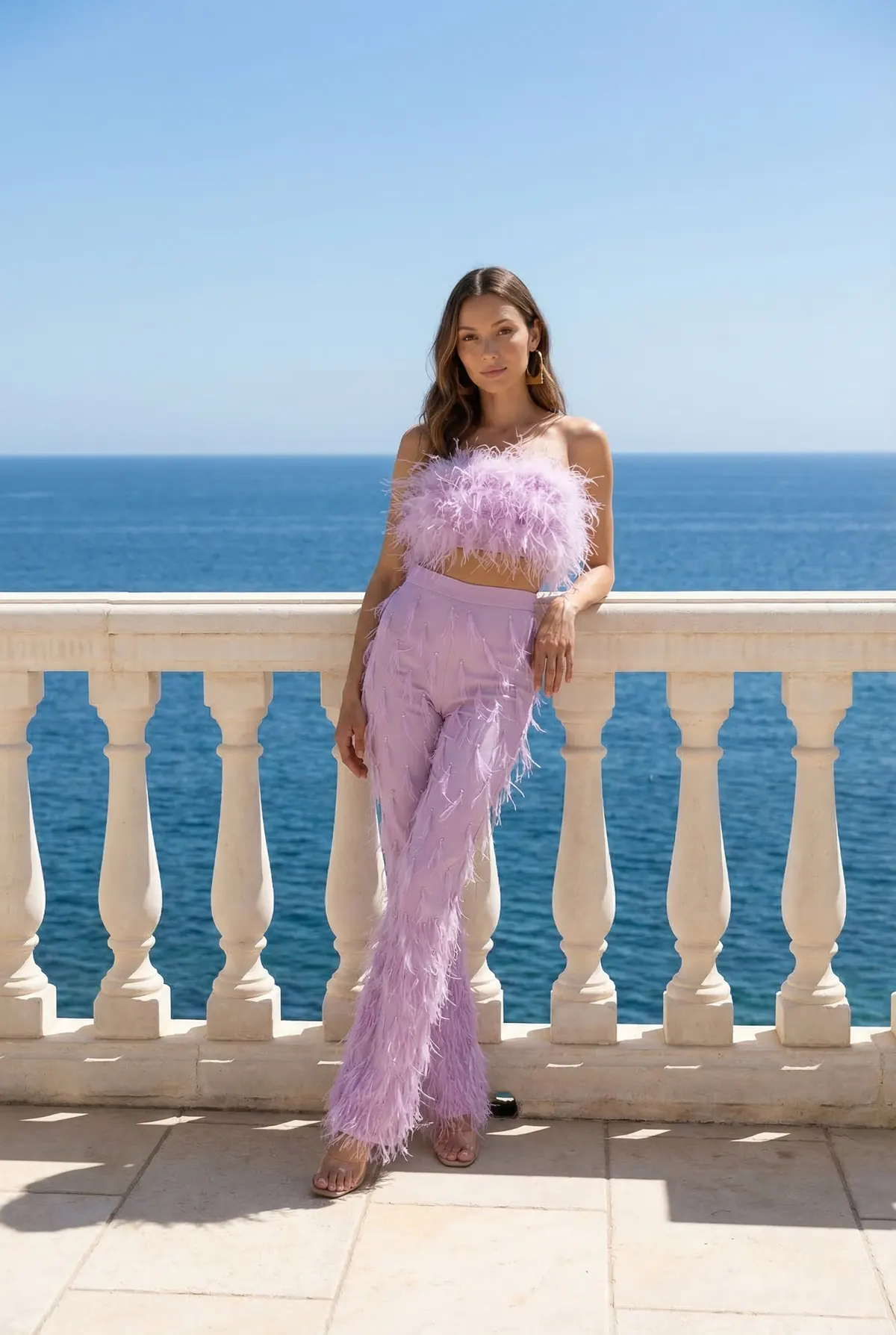
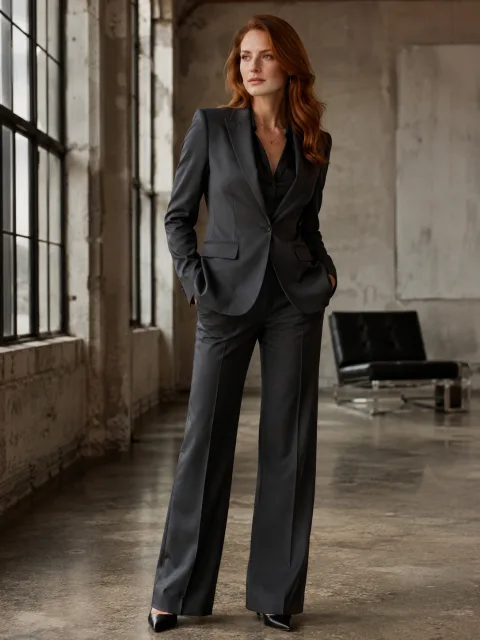
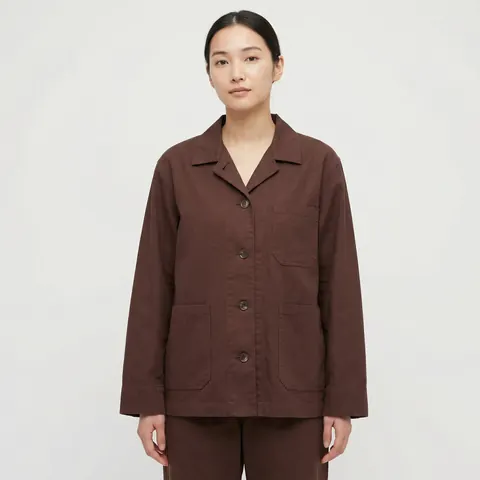
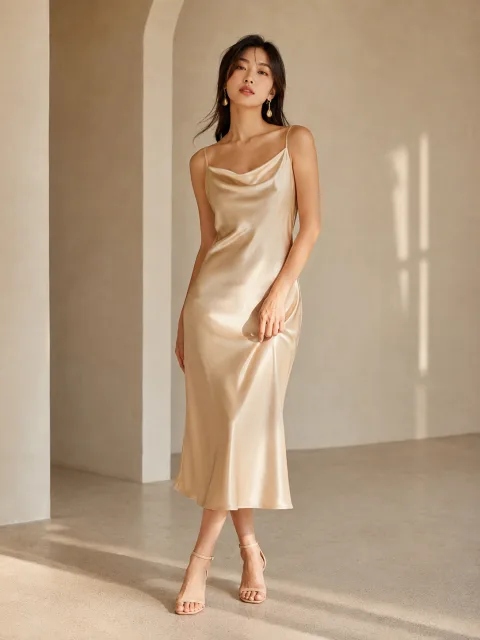
True size inclusion means showing every SKU on every body type — not a tokenizing one-page banner. Traditional photography budgets rarely stretched to cover plus-size models on every product. AI fashion photoshoots make full-range representation operationally possible. This is one of the category's clearest ethical wins.
The inclusion gap in traditional photography
Most fashion catalogs historically photographed one body type — a straight-size fit model — and relied on copy and size charts to communicate fit for other sizes. Shoppers wearing sizes outside that single body representation had to imagine fit on a body that did not look like theirs.
Multi-body-type rendering on every garment
AI fashion photography renders the same garment on multiple body types natively. Every PDP can show the product on a straight size, a plus size, a petite, a tall — in the same environment, same styling. Shoppers find themselves on the page.
The conversion impact of inclusion
Brands that moved to multi-body-type PDPs in 2024 and 2025 reported conversion lift on plus-size and petite SKUs specifically. Shoppers outside the fit-model size spend more when the PDP shows someone who looks like them wearing the product.
Fit accuracy in AI rendering
The open question with AI plus-size rendering is fit accuracy. Does the AI show the garment draping correctly on a larger body? In 2026 this is largely solved for standard silhouettes and clean cuts. For highly technical plus-size-specific construction, human QA is still essential to ensure the rendered fit matches the actual product.
Representation beyond size
Size is one dimension. Ethnicity, age, visible disability, and gender expression are others. AI makes all of these cheap to represent in the catalog. Brands serious about inclusive marketing use AI to broaden representation across every dimension, not just size.