AI Image Generation for Brands: What Separates the Work
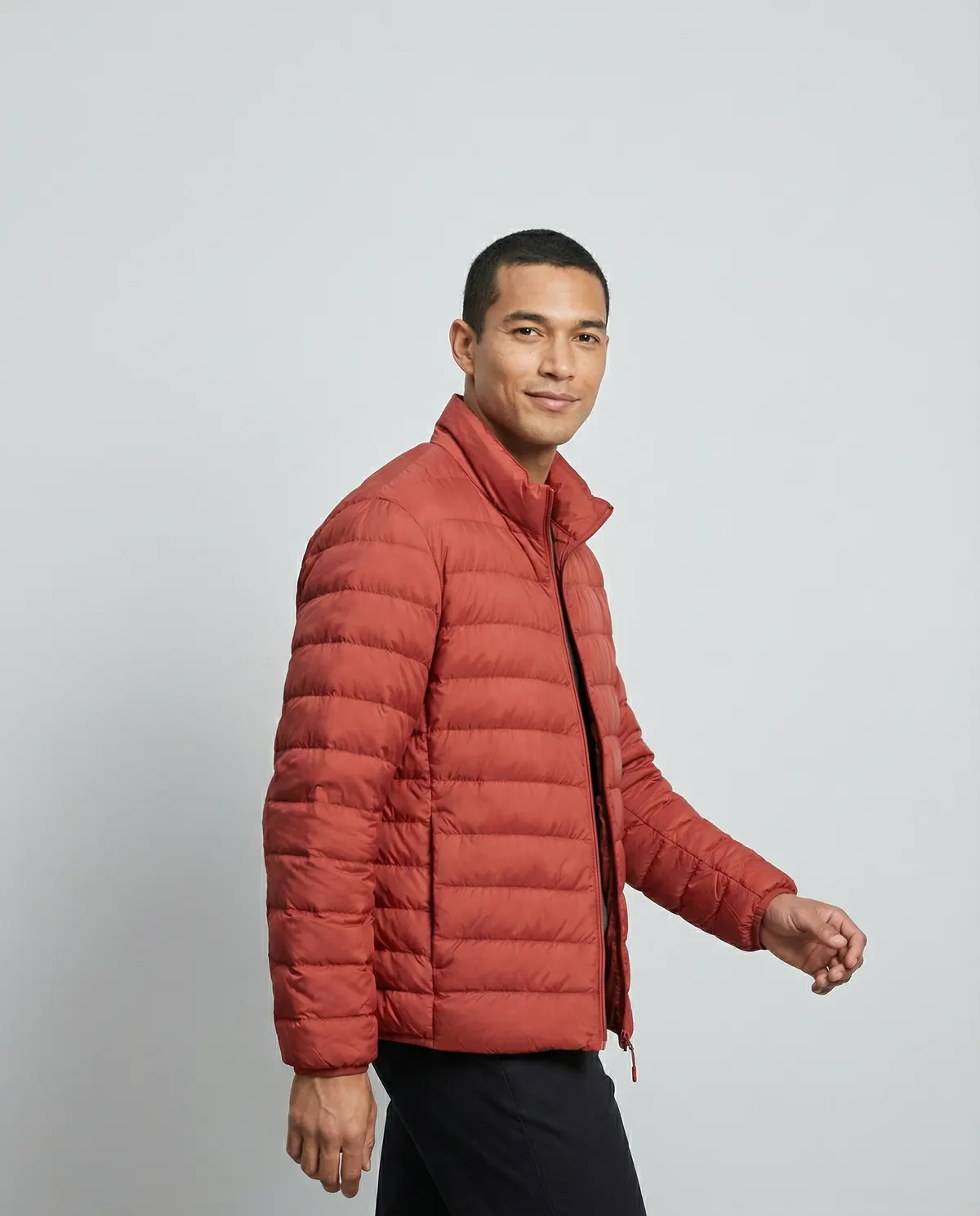
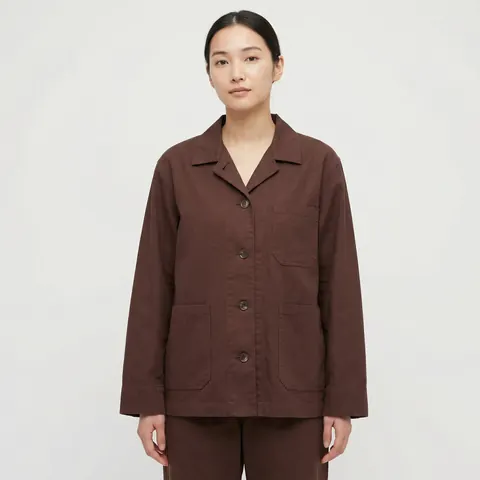
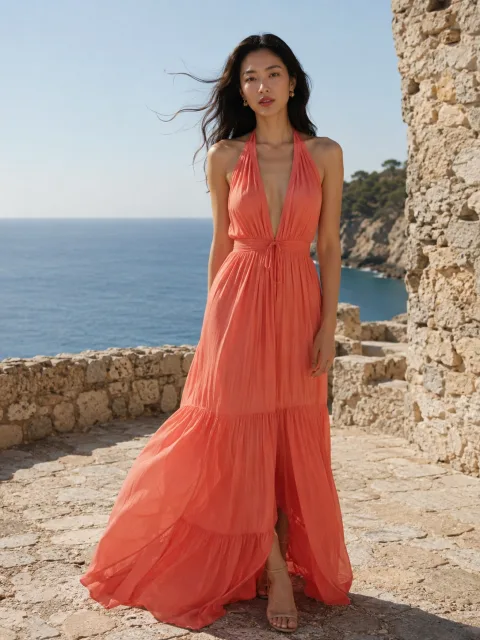
Type the same product brief into a generic AI image tool ten times and you will get ten different-looking brands. Send that same brief through a team that treats generation as a production discipline, and you get one brand, shot ten different ways. That distinction — consistency versus novelty — is the entire gap between AI image generation that reads as marketing material and AI image generation that reads as a demo.
Generic outputs versus brand-grade outputs
A generic AI image is optimized for a single prompt looking good in isolation. Nobody checked it against the last twenty images the brand published. Nobody confirmed the lighting matched the hero shot on the homepage. It might be a striking picture and still be the wrong picture for the brand that commissioned it.
Brand-grade output starts from constraints, not a blank prompt box. Color palette, lighting temperature, camera angle conventions, model or product framing rules, even the specific way shadows fall — all of that gets locked before generation starts, and every image gets measured against it afterward.
What actually separates the work
Three things, in order of how often brands underrate them:
- Consistency. The same visual identity holds across every image in a set, and across sets published months apart. A customer scrolling a feed should never be able to tell which post was generated on a Tuesday and which was generated in a different quarter.
- Art direction. Someone with a trained eye is choosing composition, negative space and narrative — not just accepting whatever the model renders first. This is the difference between a photograph and a screenshot of a slot machine.
- Quality control. Every image is checked by a person for the failure modes generative models still produce — warped hands, garbled text, impossible reflections, fabric that does not behave like fabric. Tools ship the first pass. Production teams ship the version that survives review.
Underneath those three is a fourth, quieter factor: repeatability. A brand does not need one great AI image. It needs a hundred great AI images a month, indefinitely, without the quality curve drifting downward as the novelty of the tool wears off and the team gets tired of checking every output by hand. Repeatability is a process problem, not a generation problem, and it is usually the reason an internal pilot that produced a beautiful hero shot in week one produces mediocre, inconsistent output by week eight.
What a brand style reference actually contains
"On-brand" is not a feeling — it is a specific, checkable set of parameters. A usable style reference for AI image generation typically documents the color grade and white balance the brand shoots to, the camera angle and lens compression conventions used in prior campaigns, how much negative space a composition leaves for text overlays, the model or product framing distance, and a small library of past hero images annotated with what worked and what to avoid repeating. Brands that skip this step end up re-explaining their aesthetic in every single prompt, which is slower than briefing a photographer and produces less consistent results.
Building that reference once, at the start of an engagement, is what allows every subsequent batch of images to be generated against a fixed target instead of reinvented from scratch. It is also what makes a second designer, a new hire, or an external production partner able to produce on-brand work without months of ramp-up.
Where teams get the most value first
Not every image category benefits equally from moving to AI generation right away. Categories with high output volume and low per-unit creative risk — social content variations, secondary product angles, seasonal background swaps on an existing hero shot — are where brands typically see the fastest return, because the cost and time savings compound across dozens of near-identical assets. Hero campaign imagery, where a single frame carries disproportionate brand weight, is where the human art direction and QC layer matters most and where cutting corners shows up fastest in a launch review.
A practical rollout sequence most brands follow: start with high-volume, lower-risk categories to build confidence and refine the style reference, then move hero and campaign work over once the workflow and QC process have proven themselves on the lower-stakes work.
The workflow that produces it
A brand-grade AI image generation workflow looks less like prompting and more like a compressed photoshoot. A brief goes in with references, not just adjectives. Generation happens in batches against a locked style guide, not one image at a time. A human reviews every output against brand standards before anything ships, and revisions are treated as normal, not as failure.
That workflow is slower than typing a single prompt and downloading the result. It is also the only version of AI image generation that a marketing team can put in front of a creative director without a caveat.
Common pitfalls
Off-brand drift. Without a locked style reference, successive generations wander — a slightly different color grade here, a different camera angle there — until a full set of images looks like it came from five different photographers.
Artifacting that slips through. Warped fingers, extra buttons, text that resolves into nonsense. These are common in raw generations and easy to miss if nobody is specifically looking for them before publishing.
Rights ambiguity. Many self-serve tools license output under terms that are unclear for commercial use, or reserve rights to reuse your generated images. Before anything goes into a paid campaign, confirm in writing that usage rights are yours, worldwide, without restriction.
Tool or agency: a simple decision framework
If the use case is low-stakes — internal decks, quick concept mockups, one-off social posts nobody will scrutinize — a self-serve tool is the right call. You control cost per image and speed matters more than polish.
If the images are going into paid media, a product catalog, or anywhere your brand's visual consistency actually gets evaluated by customers, the calculation changes. The hours spent prompting, regenerating and manually checking for artifacts usually cost more than a done-for-you service, and the output is less consistent besides. That is the point where most marketing teams move from a tool to a production partner.
A useful test: count how many people on the team currently touch AI-generated images before they publish — prompting, regenerating, spot-checking, manually correcting in an editor. If that number is more than one person spending more than an hour a week, the true cost of the "free" tool is already higher than it looks on a pricing page, and it is worth pricing out a done-for-you alternative against the fully loaded internal cost, not just the tool's subscription fee.
Questions worth asking before you commit to either path
Whichever direction a brand leans, a short list of questions clarifies the decision fast. Who owns the commercial rights to the output, and is that in writing? Is there a documented style reference the generation process is checked against, or is quality dependent on whoever happens to be prompting that day? What happens when an image fails QC — is there a defined revision process, or does the team start over from scratch? How does output volume scale if the brand doubles its content calendar next quarter? Vendors and tools that cannot answer these clearly are signalling how the engagement will actually run once the initial demo is over.
We cover the full range of what that looks like in practice on our AI image generation service page, and if fashion is your category specifically, our AI fashion photography work follows the same production discipline.