How AI Fashion Photography Actually Works: Behind the Scenes of a Modern AI Photoshoot
Fashion brands evaluating AI photography for the first time often assume it is a single magic button: upload a product, receive an image. The reality of a high-quality AI fashion photograph — the kind that clears a real brand's creative standards — is a pipeline of at least seven distinct steps. Understanding those steps matters because the difference between a world-class agency and a mediocre tool is where in the pipeline humans intervene.
Step one: the input
Everything starts with the product. For best results an AI agency wants a clean ghost-mannequin or flat-lay photograph of the garment, lit evenly, with minimal folds and clean edges. If you only have a rack shot, an agency can still work with it but quality compounds from clean input.
At this stage you also provide the creative brief: model references, location references, brand guidelines, existing campaign material for style matching.
Step two: garment segmentation
The AI pipeline extracts the garment from its background, separating pixels that belong to the product from pixels that do not. Modern segmentation models handle this with near-perfect accuracy on clean inputs. Poor segmentation is why early AI fashion shots had weird halos around clothing — you will not see that in 2026 work.
Step three: model generation
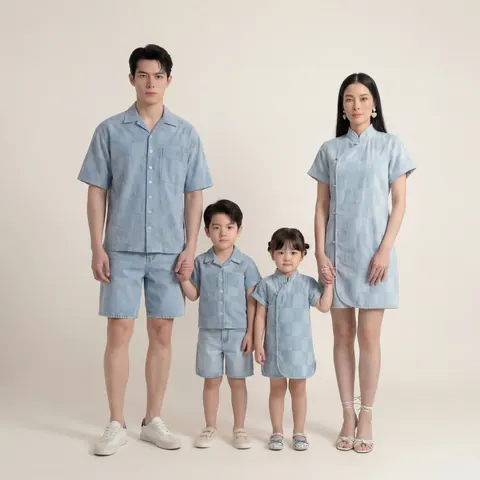
A model is generated (or recalled from a custom-trained model the agency maintains for your brand). Top agencies maintain a library of proprietary models trained to be recognizable and consistent across shoots, so your Spring drop and your Fall drop feature the same model face even months apart.
Step four: pose and composition
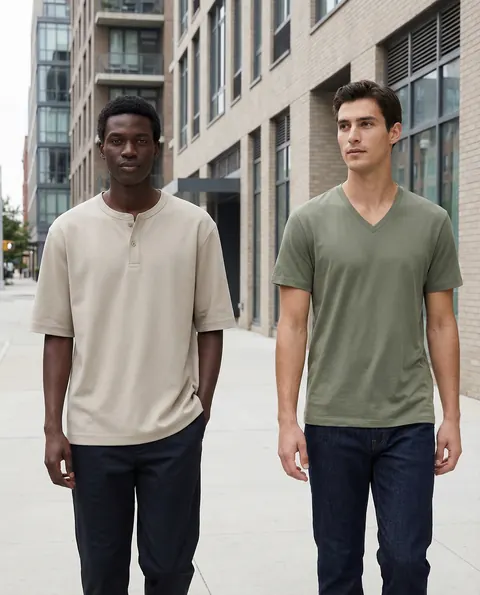
The model is posed — front, three-quarter, side, back, seated, walking, looking away — and composed within the frame. In a self-serve tool the user picks from a preset pose library. In an agency pipeline the pose is directed by a human art director to serve the composition and the brand.
Step five: location and lighting
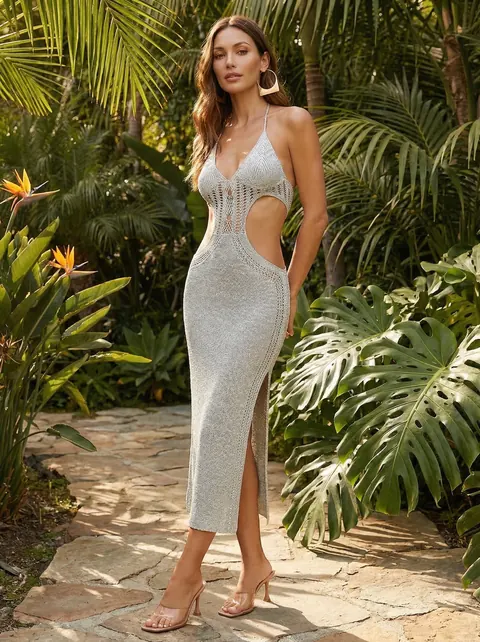
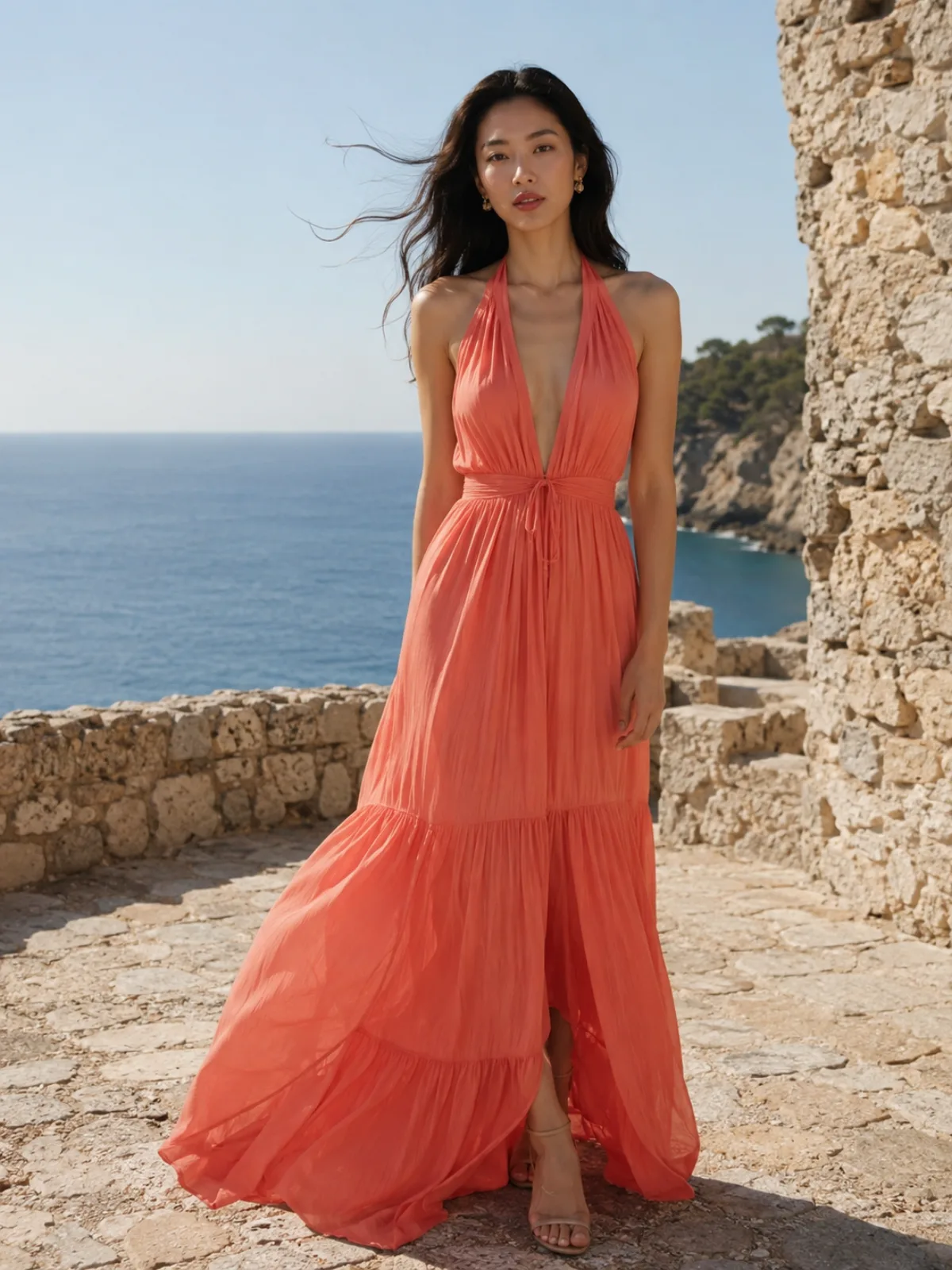
The environment is generated — studio cyc, Mediterranean terrace, Tokyo street, minimal gallery, whatever the brief calls for. Lighting is composed to match the brand world. This is the step where brand-differentiated work gets made. Anyone can generate a model in a generic loft. Few tools render an environment that actually feels like your brand.
Step six: human QA and retouching
Every image is reviewed by a human before it reaches the client. Hands, feet, seams, fabric drape, model face consistency, brand fit — all checked. Shots that fail QA are re-generated or hand-retouched. This is the step that separates agencies from tools. Tools ship the first render. Agencies ship only the third or fourth.
Step seven: delivery and iteration
Finished assets are delivered in production-ready formats. Feedback loops back into the pipeline and revisions ship same-day. Unlimited revisions in an agency engagement mean the brand owns the creative outcome — not the tool's first guess.