AI Fashion Photography vs Traditional Photoshoots: The Real Cost, Speed, and Quality Comparison
The brands still choosing traditional shoots over AI in 2026 have a reason — they have run the comparison and concluded traditional wins on their specific requirement. Most brands have not actually run the comparison. They assume traditional is higher quality and AI is cheap. The real picture is more interesting.
Cost: traditional vs AI, line by line
A traditional on-model shoot for a mid-market fashion brand looks like this. Model day rate: $1,500 to $4,000. Photographer: $2,500 to $7,500. Studio or location: $800 to $3,500. Hair and makeup: $800 to $1,800. Stylist: $800 to $1,500. Production coordinator: $1,200. Retouching at $40 to $80 per image times 50 images: $2,000 to $4,000. Miscellaneous (catering, transport, props): $500 to $1,500. A modest shoot lands at $10,000. A proper campaign lands at $25,000 plus.
An AI fashion photoshoot through an agency like AI Studio runs on a retainer of project pricing structure that bundles creative direction, model generation, location generation, retouching, and revisions into a single flat fee. For the same 50 images the fully loaded cost is typically 20 to 40 percent of the traditional equivalent, and that is before you factor in the reshoot budget traditional eats.
Speed: forty-eight hours vs four to six weeks
A traditional shoot timeline: brief the producer (week one), pre-production and casting (weeks two to three), shoot day (day one of week four), editing and retouching (weeks four to six). That is before any rounds of feedback. If your creative director asks for a single reshoot, add two weeks.
An AI shoot timeline: brief in, finished images back in forty-eight hours. Revisions in same-day or next-day. The implication is not just faster delivery — it is that entire marketing cycles shrink. A drop that used to launch six weeks after design sign-off now launches two weeks after.
Quality: the real gap in 2026
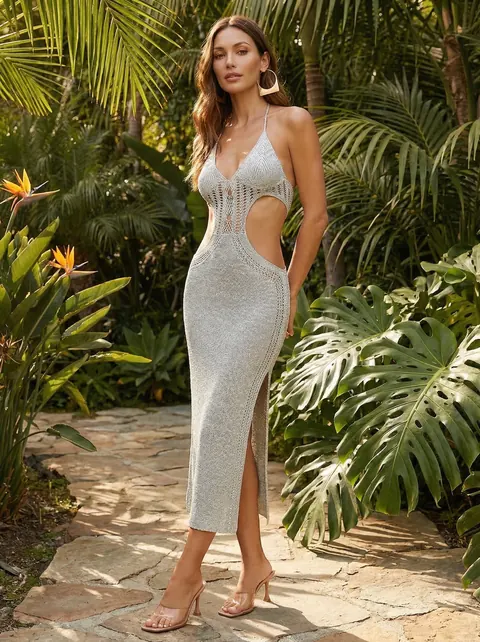
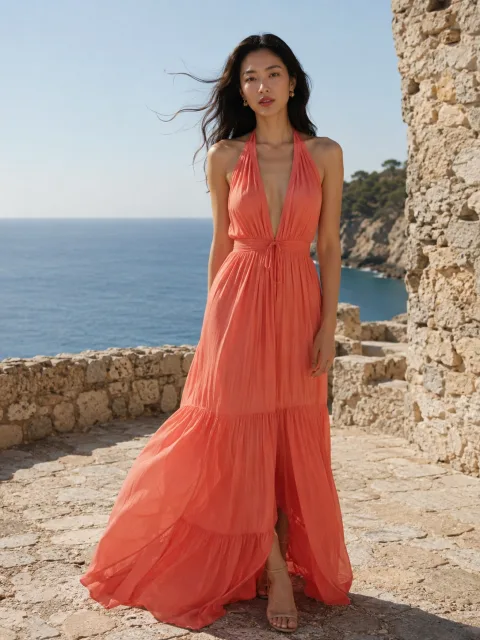
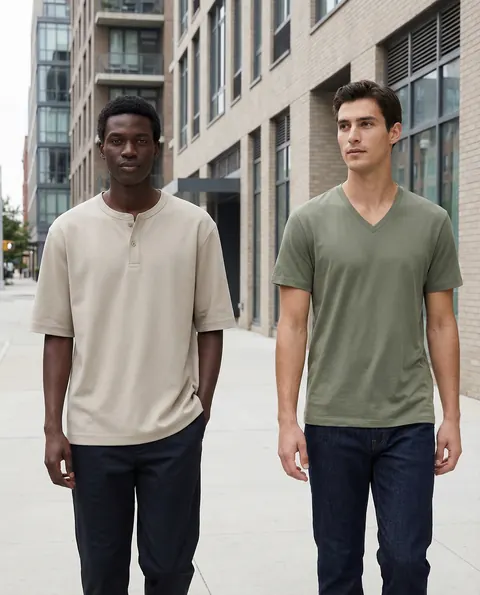
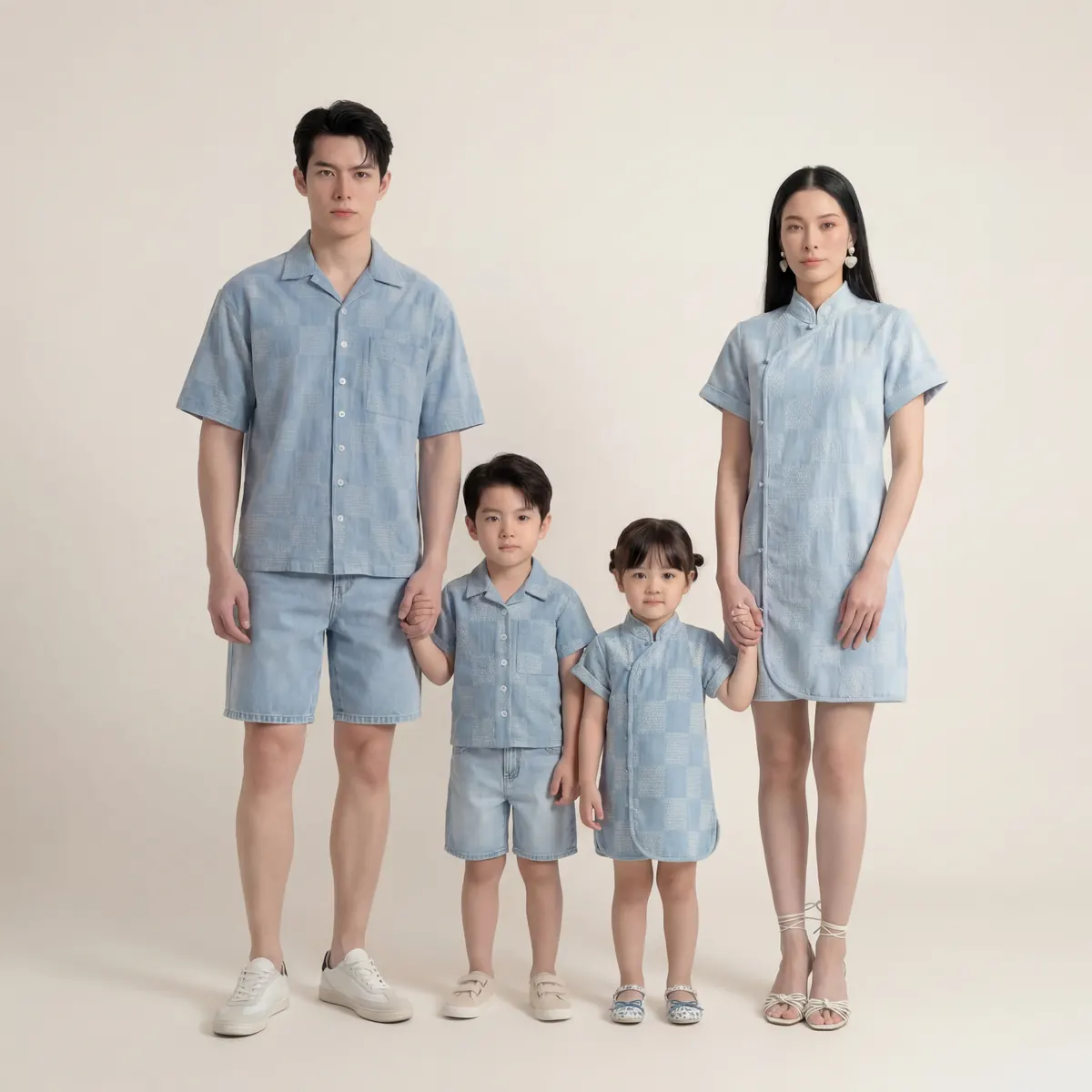
In 2022, AI fashion photography was visibly AI. In 2024, it was good enough for PDP imagery. In 2026, AI fashion photography rendered by a top-tier agency is indistinguishable from a studio shoot to 95 percent of consumers. The remaining gap is in high-motion lifestyle, nuanced editorial lighting, and brands whose hero-campaign signature includes things only a human photographer's eye captures. Smart brands use AI for the bulk — PDPs, colorways, lookbooks, social, seasonal — and commission one hero shoot per year for the campaign centerpiece.
Flexibility: the hidden advantage
A traditional shoot is a moment in time. Once you wrap, you cannot summon the model back, change the location, or add a colorway that got approved late. An AI shoot is a living asset library. Same model, same location, new color — rendered in minutes. The downstream value of this compounds for any brand running a frequent drop cadence.
When traditional still wins
We do not recommend AI for every shot. Motion-heavy activewear campaigns still benefit from a real camera. Celebrity talent shoots are not replaceable. Certain tactile materials — beaded couture, high-shimmer metallics, unusual texture combinations — still stress AI engines. For these, book the studio. For everything else, book AI.