AI Fashion Photography: The Complete 2026 Guide for Brands
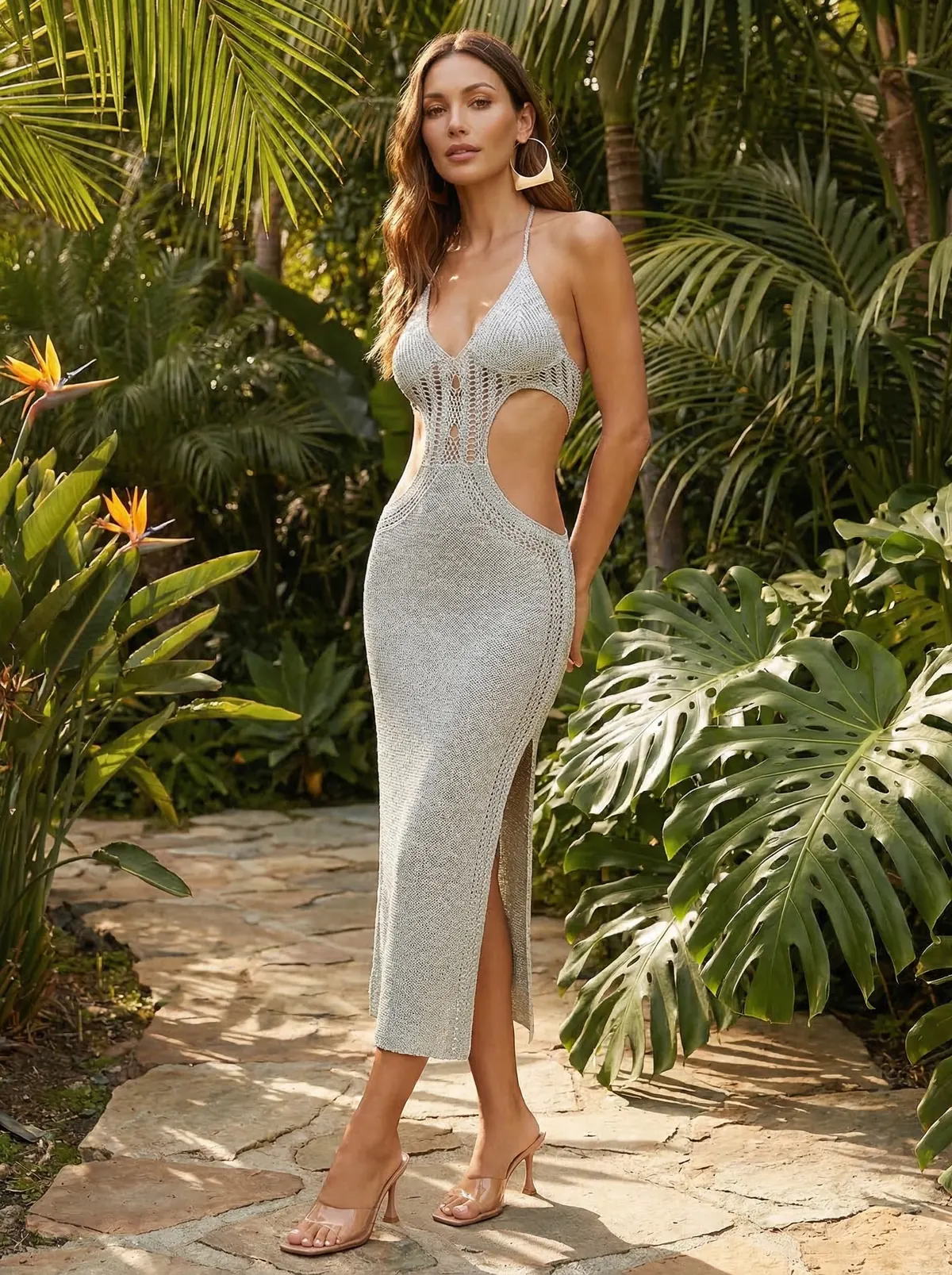
Over the past eighteen months, AI fashion photography has crossed the line from curiosity to standard operating procedure. Brands that were trialling it in 2024 are now running it at catalog scale in 2026 — every new drop, every seasonal refresh, every market-specific lookbook. If you run a fashion brand and you still ship every photo through a three-week studio shoot, you are losing margin, losing speed, and losing relevance to teams who have already re-wired their content engine around AI. This guide walks through what AI fashion photography actually is in 2026, what it is not, the two very different ways brands are buying it, and how to decide which path fits your business.
What AI fashion photography means in 2026
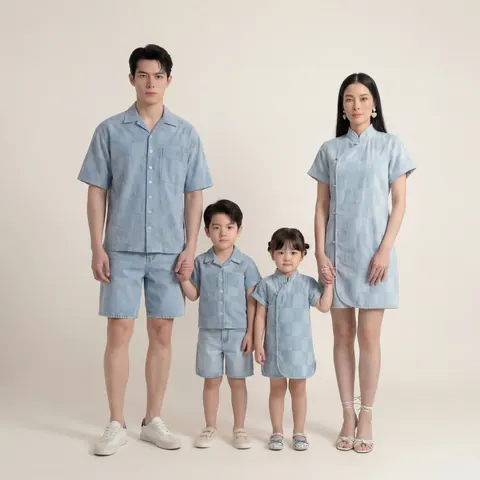
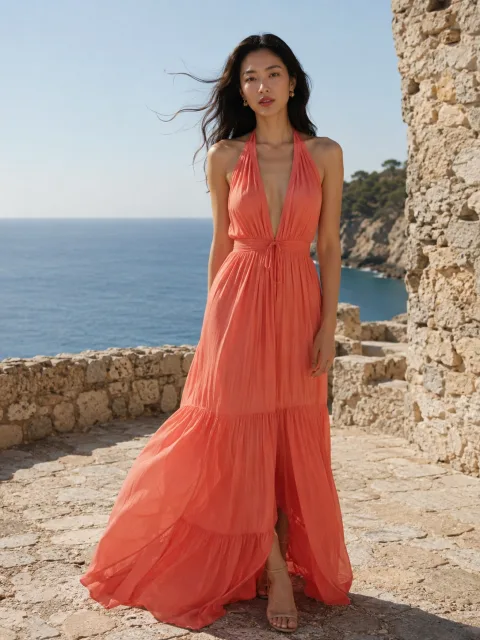
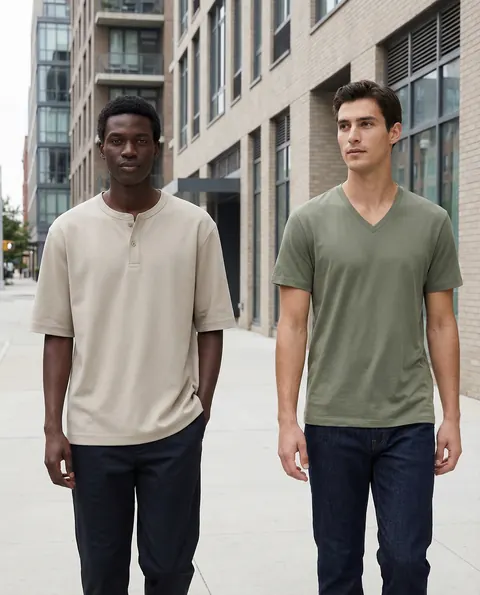
AI fashion photography is the generation of photoshoot-quality imagery — on-model, on-location, in the colors and poses your collection requires — using generative diffusion models rather than a physical camera, studio, and model. The category split into two distinct products around 2024 and both matured through 2025: self-serve AI fashion tools (SaaS platforms where a user uploads a flat-lay, picks a model, and downloads a render), and AI fashion photography agencies (done-for-you teams that take a brief and deliver campaign-ready imagery, with humans doing quality control, retouching, and creative direction on every image).
The top engines driving this category sit on top of fine-tuned Stable Diffusion, SDXL, Flux, and purpose-built fashion foundation models from companies like Botika and Fashn. But the engine is not the product. A brand does not ship a prompt, it ships a finished editorial, a product detail page, or a social asset. The gap between the engine and the shippable asset is where fashion brands win or lose.
Why every fashion brand is running AI photography in 2026
The math is no longer subtle. A single mid-market studio shoot — one model, one location, one day — runs anywhere from eight thousand to twenty-five thousand dollars once you stack model fees, photographer, stylist, assistant, studio rental, catering, retouching, and the production coordinator chasing logistics. For that budget you typically walk away with one campaign or a chunk of a PDP library, and you wait four to six weeks from brief to delivery.
AI fashion photography delivers the same on-model outputs in forty-eight hours at a fraction of the spend, and unlike a studio shoot the outputs are infinitely re-composable. Same garment, different colorways, different model, different location, different season — no reshoots. That compounding reusability is why brands are not buying AI photography to replace their hero campaign, they are buying it to replace the long tail of assets that used to require studio time the business could never justify.
What AI fashion photography is not
It is not prompt engineering. If your team is writing prompts, iterating, and fighting AI to produce a usable asset, you are doing the agency's job for them. In 2026 this is a solved problem for anyone working with a real AI fashion agency — you send products and creative direction, you receive finished assets.
It is not a replacement for your creative director. AI does not invent your brand world. It executes it. A strong brand with strong creative direction gets dramatically more out of AI photography than a brand without a point of view.
And it is not universally good. First-generation AI photography shipped plastic-looking skin, melted hands, and wonky fabric drape. The bar in 2026 is that if a human can tell it is AI, it fails QA. Agencies ship only images that clear that bar.
Agency vs tool: the decision fashion brands keep getting wrong
Most fashion brands default to buying a SaaS tool because the monthly fee looks small. Twelve months later they realize the fully loaded cost — the in-house producer who learns the tool, the designer who corrects AI errors, the marketing manager who re-briefs three times to get one usable shot — is higher than the agency retainer would have been, and the output quality is lower.
The question is not which is cheaper on the invoice. It is which produces the highest ROI per shippable asset. For most brands doing more than fifty shots a month, a done-for-you agency wins because the agency absorbs all the production overhead and ships finished work. For brands doing fewer than twenty shots and with strong internal design muscle, a tool can work.
How to brief an AI fashion photography partner
A good brief has four things. One: the product — flat-lays, mannequin shots, or ideally a clean ghost mannequin render. Two: the creative — mood board references, brand guidelines, any existing campaign the new work needs to sit alongside. Three: the model — ethnicity, age range, body type, any consistency requirements across the shoot. Four: the outputs — file dimensions, format, quantity, usage rights. Agencies that cannot turn that brief into finished assets in forty-eight hours are not worth the retainer.