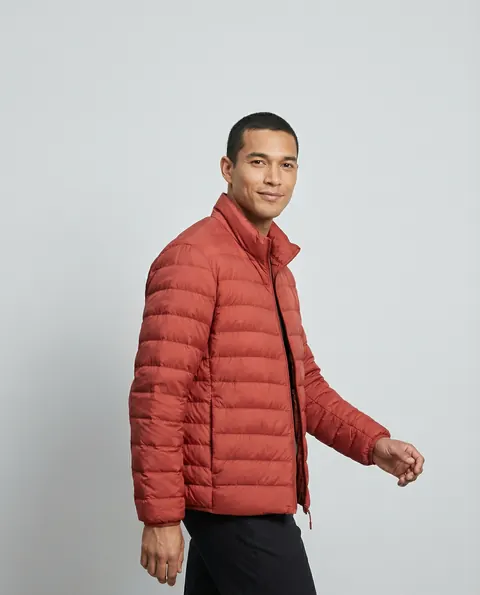
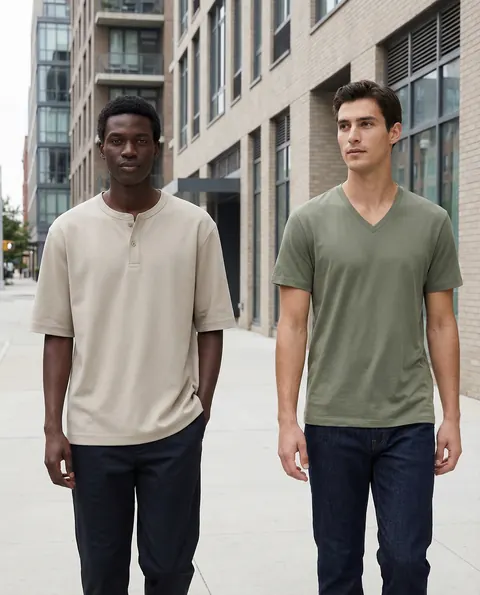
AI Images for Ecommerce: PDP, Lifestyle Shots and Testing
A product page lives or dies on its imagery long before a customer reads a single word of copy. Ecommerce teams have always known this — it is why studio photography budgets used to eat a meaningful share of the launch calendar. AI-generated imagery has not changed that fact. What it has changed is how many images a team can afford to make, test and replace before a listing ever goes live.
PDP imagery at catalog scale
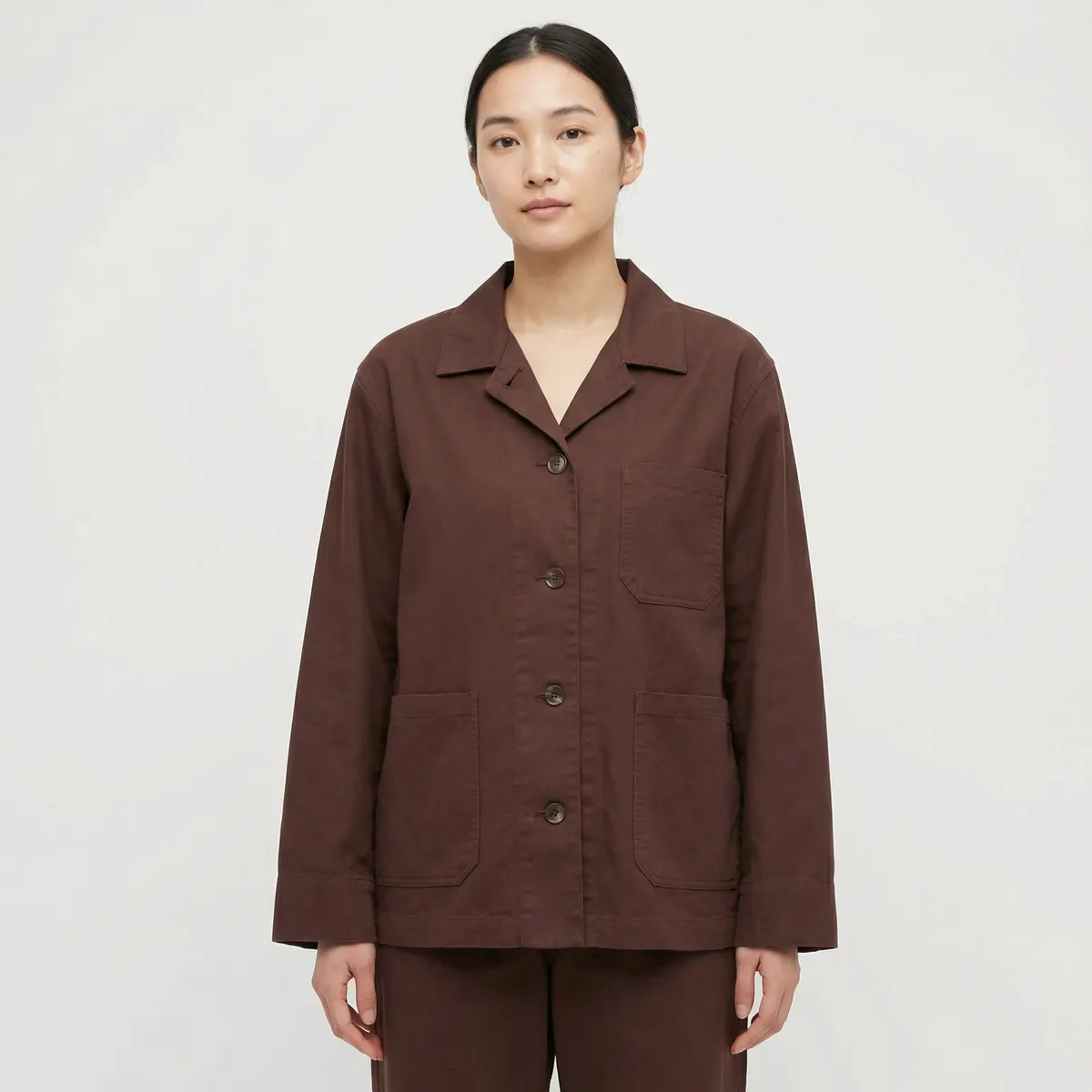
Product detail page images have a narrow job: show the item accurately, cleanly, from the angles a buyer needs to make a decision. That narrow job is exactly what AI image generation handles well, because the variable being controlled — the product itself — stays fixed while the background, lighting and crop can be generated in volume. A catalog that once required booking a studio day per drop can instead generate front, back, detail and folded-flat shots for every SKU in a fraction of the time, at consistent lighting and consistent framing across the whole range.
Consistency matters more on a PDP than almost anywhere else on the site. Buyers comparing five products in open tabs will notice if one listing looks warmer or more saturated than the rest, and that inconsistency reads as lower trust even when the product itself is identical quality.
Lifestyle context shots
PDP shots answer "what is this." Lifestyle shots answer "why would I want this." AI-generated lifestyle imagery — a product in use, in a setting, on a model or in a scene relevant to the buyer — used to be the expensive half of an ecommerce shoot because it required a location, talent and a full production day. Generated lifestyle imagery collapses that cost while opening up a range of settings a single physical shoot day could never cover: a dozen different rooms, seasons, or regional contexts for the same product.
This matters most for sellers who ship into multiple markets. A single physical shoot produces one visual story. Generated lifestyle imagery can produce a version that reads as northern-hemisphere winter and one that reads as tropical humidity, a version styled for a US suburban home and one styled for a Tokyo apartment, all from the same product reference. Localized lifestyle context has historically been reserved for brands with the budget to run region-specific shoots. AI generation puts it within reach of a mid-size seller running one core product line into five geographies.
Building the reference set that makes this work
None of the above works from a low-resolution product photo pulled off a supplier's spec sheet. Reliable AI-generated PDP and lifestyle imagery starts from a clean reference: even, shadow-free lighting, a neutral background, and multiple angles of the actual physical product, not a stock photo of a similar item. The cleaner the input, the less correction a human reviewer has to make downstream, and the fewer generations get discarded for visible artifacts.
Sellers who get the most out of this workflow treat the reference shoot as a one-time investment per SKU family rather than per SKU — a base reference for a t-shirt style, for instance, can support generation across every colorway in that style, rather than requiring a fresh physical photo for each one.
Testing creative at scale
Because generation cost per image is a fraction of a studio day, ecommerce teams can now treat product imagery the way performance marketers treat ad copy — as something to test rather than something to commit to once and leave alone. Multiple background treatments, multiple crops, multiple model looks for the same garment or product can run against each other in paid social or on-site A/B tests, with the winning creative promoted to the primary listing image. That kind of iteration was not economically viable when every variant meant a reshoot.
A practical testing structure most teams use: hold the product and its core framing constant, then vary one element at a time — background setting, model presence versus flat-lay, warm versus neutral color grade — across a small batch of otherwise-identical listings or ad sets. Because generation makes each variant cheap, the test can run on real traffic instead of an internal opinion poll, and the losing variants cost nothing beyond the generation itself. Over a few cycles this produces a house view of what actually converts for a given category, which is a genuinely new capability for most mid-size sellers rather than an incremental efficiency gain.
Marketplace compliance basics
Amazon, Shopify and most major marketplaces have specific technical requirements for listing images — white or transparent backgrounds for primary images, minimum resolution, no watermarks or promotional text overlaid on the product shot. AI-generated images are not exempt from these rules. Before publishing at scale, confirm generated PDP images meet the platform's background and framing requirements, and check the platform's current policy on AI-generated or "digitally created" content disclosure, since these policies are updated more often than most teams expect.
The cost math versus studio
A single-SKU studio shoot with a photographer, stylist and basic retouching typically runs several hundred dollars once day rate and post-production are factored in, before accounting for lifestyle variants or model day rates. Multiply that across a catalog of hundreds or thousands of SKUs and the studio route becomes a six- or seven-figure line item, with a multi-week lead time attached.
AI-generated imagery brings the marginal cost of an additional shot down close to zero once a product's reference images and brand style are set up, with turnaround measured in days rather than weeks. The trade-off is upfront setup — clean reference photography of the actual product, a locked style guide, and a review process to catch generation artifacts before anything ships. For catalogs above a few dozen SKUs, that upfront cost is recovered quickly against a studio quote.
The comparison sharpens further once testing is factored in. A studio budget rarely has room for five variants of the same shot to run as an A/B test — the marginal cost of a reshoot is too high to justify testing rather than committing. An AI-generated catalog can carry that testing cost as a normal part of the workflow, which means the cost-per-image comparison understates the real gap: studio spend buys one version of the truth, generation spend buys the ability to find out which version actually converts.
What still needs a real camera
None of this argues that studio photography disappears. Hero campaign imagery that anchors a brand launch, packaging and color-accuracy reference shots used to calibrate every downstream generation, and any image where a customer's legal right to see an exact, unaltered depiction of a physical product applies — cosmetics shade matching is a common example — still benefit from or require a real camera. The practical model most ecommerce teams land on is a hybrid: a small, high-quality physical reference shoot per product line, feeding a much larger volume of AI-generated PDP and lifestyle variants built from that reference.
For a deeper look at how a done-for-you production workflow handles this end to end, see our AI image generation service and, for apparel specifically, our AI product photography page.