AI Fashion Photography for DTC Brands: A 2026 Scaling Playbook
Direct-to-consumer fashion brands are the single largest buyer of AI fashion photography in 2026, and it is not close. The reason is structural. DTC brands launch more drops per year than legacy retailers, operate on tighter margins, and depend more heavily on owned content. AI fashion photography solves all three pressures at once. Here is how to scale it.
Start with your PDP backlog
Every DTC brand has a backlog of product detail page shots that should have been refreshed six months ago but never were, because the studio budget always went to the next campaign. That backlog is your first AI project. Inventory the SKUs, prioritize by revenue contribution, ship the top 50 through an AI agency. You will typically see conversion lift within a PDP refresh cycle because fresh, on-model imagery outperforms flat-lay on conversion by a wide margin.
Graduate to colorway and size variation
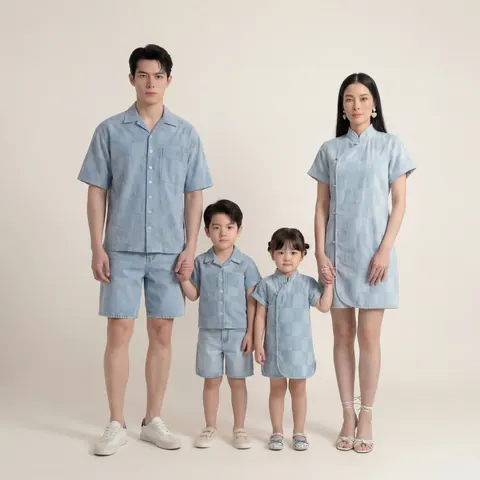
Most DTC brands ship a garment in three to eight colorways. Traditional photography shoots one colorway and uses CGI color swaps for the rest. AI photography renders every colorway natively on the same model in the same environment with zero reshoot. The result: consistent PDP experiences across colors, better visual truth, better conversion. This is the step where AI compounding starts to show up in the P&L.
Move into seasonal campaigns
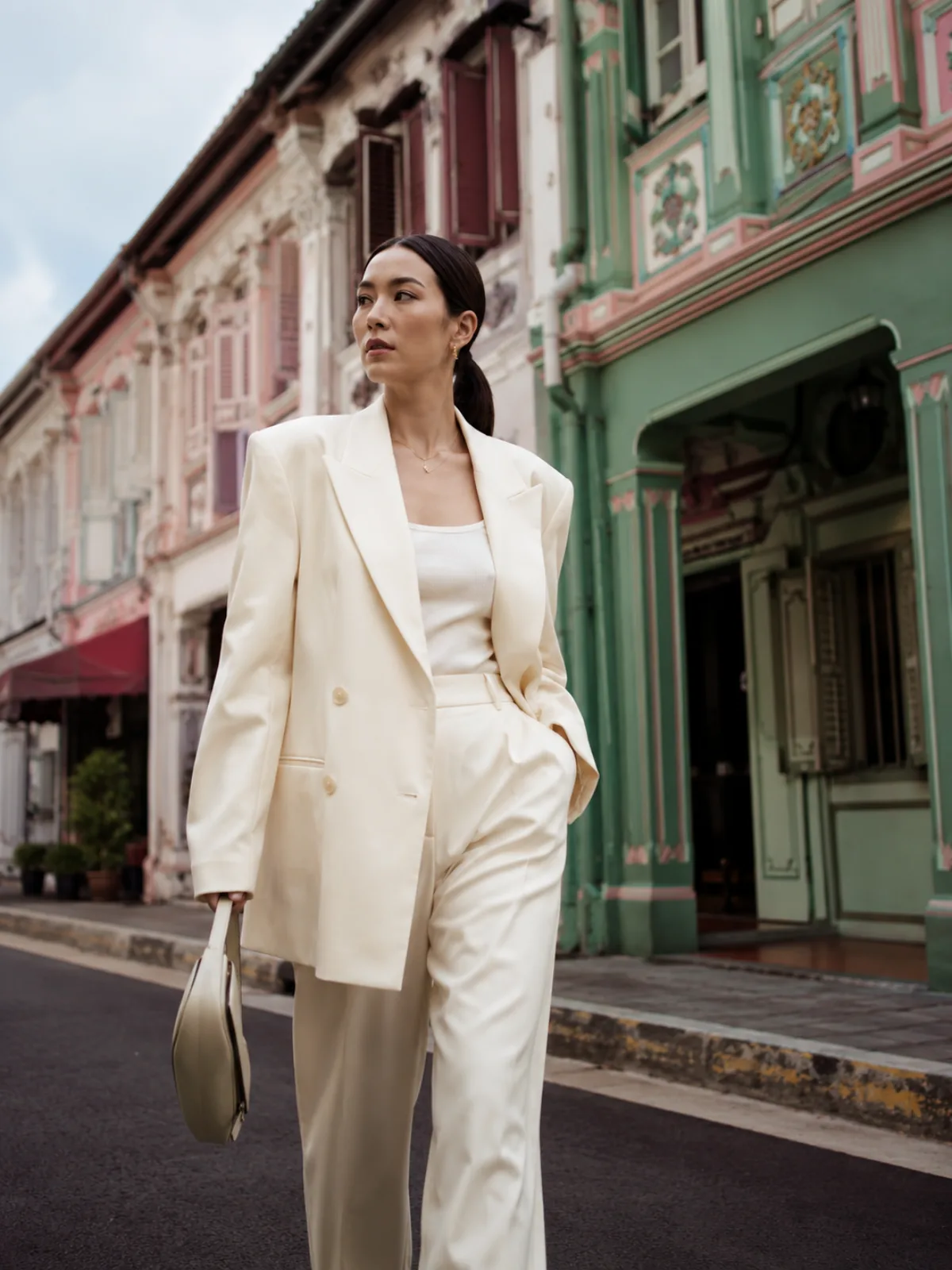
Once PDPs are running on AI, move into campaigns. A Spring campaign that used to require a three-day shoot in LA now runs as a one-week AI project with any location, any model, any styling. The savings are obvious. The less obvious benefit is that you can localize the same campaign by market — US beach aesthetic for US, Mediterranean for EU, tropical resort for APAC — without reshooting.
Build your brand model library
At scale, DTC brands train a proprietary AI model on their brand aesthetic — usually two to four recurring model faces that anchor the brand's visual identity. Agencies like AI Studio maintain these libraries for clients so every shoot pulls from the same consistent talent pool, giving your customers a sense of continuity that random-stock-model AI tools cannot deliver.
Integrate with your content stack
The final stage is operational. AI photography is not a one-off marketing project, it is a continuous content input. Mature DTC brands integrate their AI agency into the sprint cadence: new SKU approved on Monday, AI brief in on Tuesday, PDP images live on Thursday. That velocity is impossible with traditional photography. It is the unlock that lets DTC brands launch more, test more, and compound.