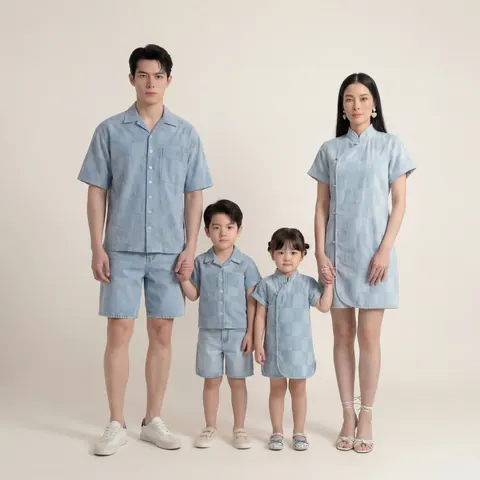
AI Fashion Photography for Enterprise Retailers: SKU-at-Scale in 2026
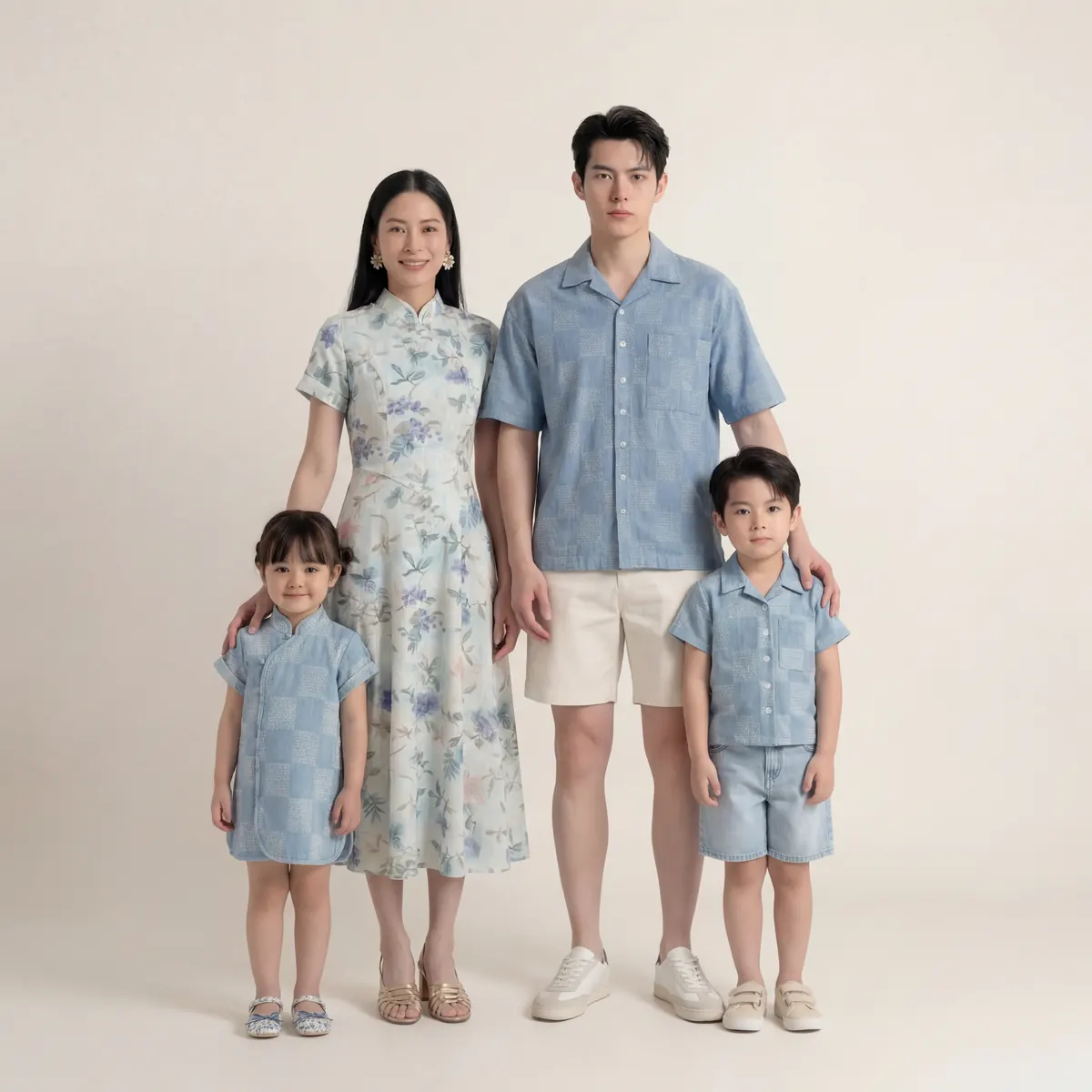
Enterprise fashion retailers sit on catalogs of five, ten, even fifty thousand active SKUs. Refreshing that catalog with traditional photography is not a budget problem — it is an operational impossibility. A single enterprise retailer asked us in 2025 for an honest answer to a simple question: if we shot every SKU on a real model, with real locations, how long would that take? Answer: eighteen months of continuous studio time. AI fashion photography is the only viable answer at that scale.
The catalog-refresh problem
Enterprise catalogs decay faster than most retailers admit. Imagery from 2022 looks dated. Old model selections no longer reflect current brand positioning or customer demographics. Lighting standards have shifted. The ideal state is a perpetually-fresh catalog, and the ideal state has been financially impossible until now.
How AI changes the equation
At enterprise volume, AI fashion photography moves from cost-per-image to cost-per-SKU at a flat rate. A retainer scoped for five thousand SKUs a month becomes an operational expense, not a project spend. That flip in mental model is what unlocks executive buy-in at the enterprise level.
Integration and workflow
Enterprise engagements usually include API or hot-folder integration with the retailer's PIM and DAM. New SKU lands in PIM, product information syncs to the agency, images are generated and delivered to the DAM automatically, approved images ship live to site. The full loop runs without humans touching it in the middle.
Model consistency at enterprise scale
Enterprise retailers cannot have random models on every product. They need brand-anchored talent across thousands of SKUs. AI agencies working at this scale maintain dedicated model libraries per brand — typically eight to fifteen proprietary faces covering diverse demographics — so the catalog has consistency without the limitations of booking real talent for thousands of shots.
Quality assurance at enterprise volume
The hardest problem at enterprise scale is QA. A 99 percent acceptable rate sounds fine until you multiply by ten thousand images — that is one hundred broken images going live. Enterprise engagements layer AI-assisted QA (automated checks for hand count, face quality, garment fidelity) with human QA on the outputs that fail automated checks. The result is a sub-0.1 percent error rate shipping to production, which exceeds what traditional studio workflows achieve.