Virtual Try-On for Shopify Fashion Brands: The 2026 Playbook
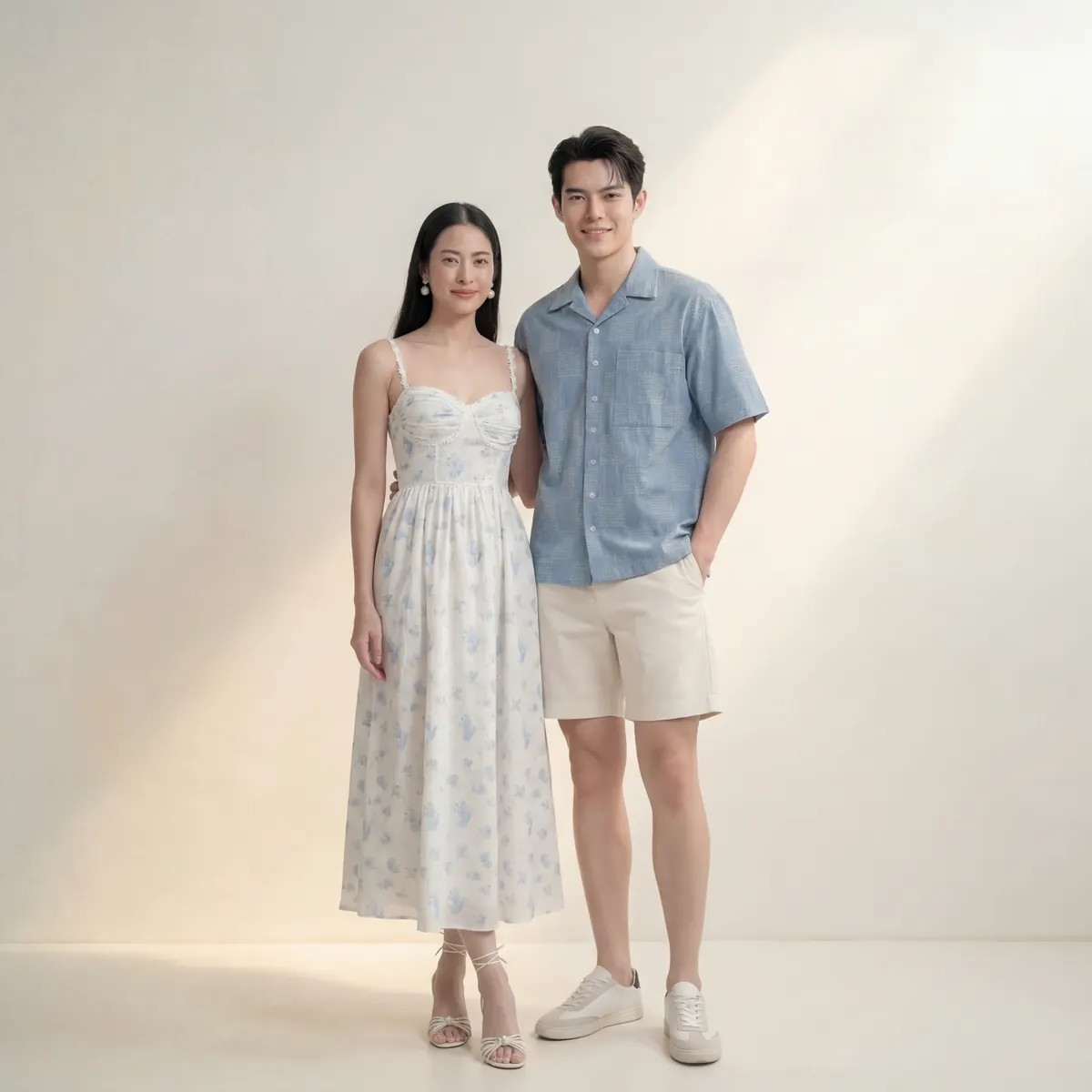
If you run a fashion brand on Shopify and you are not already using some form of virtual try-on in 2026, you are leaving revenue on the table. This playbook walks through the exact stack high-performing Shopify stores are using — what runs on the PDP for shoppers, what runs in the back-office for content — and the conversion metrics you should expect to see.
The two virtual try-on decisions on Shopify
Decision one: do you put a try-on widget on your product pages? This is a consumer-facing conversion tool. Options are Fashn, Botika, Picjam and a handful of Shopify app store installs. Expect a 15-30% conversion lift on PDPs where shoppers engage.
Decision two: how do you produce your on-model imagery? This is a back-office content decision. Options are traditional studio, self-serve AI tools, or an AI fashion agency like AI Studio. The right answer for most Shopify brands in the $5M-$50M revenue range is an AI agency on retainer — it produces more content, faster, at a fraction of studio cost.
What the top Shopify fashion brands are doing
The pattern at high-performing Shopify DTC stores in 2026 is: consumer try-on widget on every PDP, AI fashion agency retainer for all new collection photography, traditional studio only for hero brand campaigns twice a year. This hybrid approach maximises conversion on-site, maximises content volume for social and ads, and preserves brand heritage imagery for the launches that really matter.
The brands that win are the ones running this playbook. The ones still paying for a full studio shoot every season and skipping on-site try-on are losing ground every quarter.
Budget math for a Shopify fashion brand
Rough benchmarks. Consumer try-on widget: $200-$1500 per month depending on traffic. AI fashion agency retainer (AI Studio scale): structured per-brand, see our strategy call. Traditional hero campaign twice a year: $20-50k per shoot all-in.
Compare this to the old default — four $20k studio shoots a year plus no on-site try-on. Same total spend, but the new stack produces 5-10x the on-brand asset volume, lifts PDP conversion 15-30%, and cuts return rates on apparel by 8-15%.
Integration and workflow
Consumer widgets install in 15-30 minutes through the Shopify app store. Most offer a free trial; we recommend A/B testing traffic for two weeks before committing to a paid tier.
Agency workflow is slower to spin up — expect a two-week onboarding where the agency learns your brand aesthetic, but after that the production cadence is typically weekly and fully handled. Your team sends the new collection, the agency returns finished assets five days later.
KPIs to watch
For on-site try-on: PDP conversion rate, add-to-cart rate, apparel return rate. Expect meaningful movement within 30 days.
For content production: cost-per-asset, time-to-publish on new SKUs, content volume per month. Expect 5-10x improvement on all three vs traditional studio within 60 days.