Virtual Try-On vs AI Fashion Photography: Which Do You Actually Need?

Virtual try-on and AI fashion photography are often confused because both use generative AI to put garments on models. But they are solving different problems and are built for different buyers. Understanding the split is the difference between buying the right tool and wasting six months on the wrong one.
The two are not the same
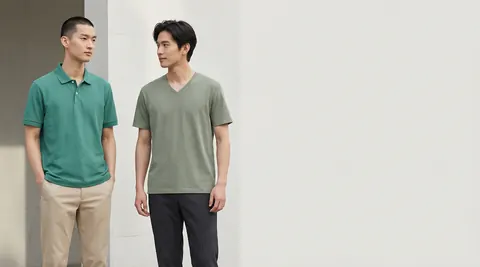
Virtual try-on in its original consumer-facing form is a widget on your product page. The shopper uploads a photo of themselves or picks from a set of model avatars, and sees the garment rendered on that body. The use case is increasing PDP conversion and reducing returns.
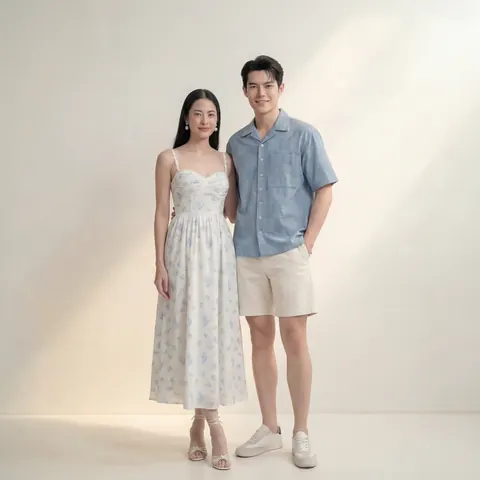
AI fashion photography is a production service. It takes a garment and produces high-resolution on-model imagery for PDP, lookbook, campaign and social channels. The use case is replacing traditional studio photography.
The engines behind both are similar. The products are different.
When to buy virtual try-on (the widget)
You have a Shopify, Magento or custom ecommerce store doing at least $1M in annual apparel revenue. You have measurable return rates driven by fit or fabric uncertainty. You have shoppers who hesitate to buy without seeing the garment on a body similar to theirs. A try-on widget fits this brand profile and typically pays back within the first month.
When to buy AI fashion photography (the service)
You are producing at least 30 new SKUs per month. You need on-model PDP imagery, lookbooks, social assets, or campaign work. Your current production method is traditional studio shoots. Your content volume is throttled by studio availability or budget. An AI fashion agency like AI Studio fits this brand profile and typically cuts photography spend by 60-80% while 5-10x-ing output.
When to buy both
Most fashion brands in 2026 operating at enterprise scale run both. A consumer widget on the PDP for on-site conversion, and an AI fashion agency retainer for the back-office production pipeline. The two are complementary — not competitive. Try-on lifts conversion on traffic that lands on the page; AI photography is what populates those pages in the first place.
Common mistake: using consumer try-on for content
Brands sometimes try to use their consumer try-on widget to generate PDP imagery. This rarely works. Consumer widgets are optimised for a specific use case — a shopper seeing a garment on their own body — and ship output that is low-resolution, model-inconsistent, and not licensed for commercial redistribution. Use a consumer widget for conversion. Use an AI fashion agency for content.